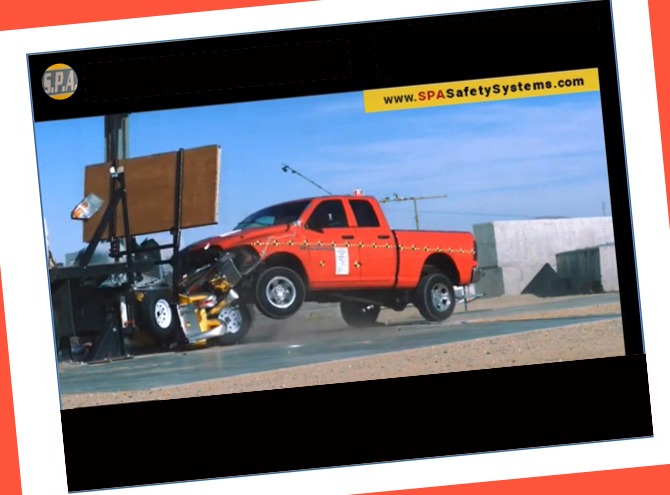
Three weeks ago, a contractor from Pennsylvania called our facility in Flanders, completely frustrated. He’d just been kicked off a job site in Maryland because his TMA truck didn’t meet that state’s specific requirements. The equipment worked fine in Pennsylvania. He’d invested over $100,000 in the truck. But Maryland’s regulations were different enough that his setup wasn’t compliant.
“Why doesn’t anyone publish this stuff in one place?” he asked. “I’ve been searching for days.”
He’s right. TMA truck regulations vary significantly by state, and finding accurate, current information is surprisingly difficult. Most contractors learn the hard way—through rejected bids, job-site shutdowns, or costly citations.
This guide changes that. Whether you’re operating in a single state or managing projects across multiple jurisdictions, understanding TMA truck regulations is essential for compliance, bidding accurately, and avoiding costly surprises.
Understanding the Federal Foundation: MUTCD and MASH Standards
Before diving into state-specific requirements, you need to understand the federal standards that form the foundation for all TMA truck regulations across the country.
The Manual on Uniform Traffic Control Devices (MUTCD)
The Federal Highway Administration publishes the MUTCD and provides national standards for all traffic control devices used on streets, highways, and bikeways. Every state must substantially conform to the MUTCD, though states can add their own supplements and modifications.
For work zones, the MUTCD specifies when traffic control is required, which devices must be used, and how they should be deployed. Section 6F specifically addresses temporary traffic control zones and includes provisions for truck-mounted attenuators.
The current MUTCD (11th Edition as of 2026) requires positive protection devices, such as TMAs, in certain high-speed, high-volume situations. However, the MUTCD itself doesn’t specify exact speed thresholds or mandatory usage—it provides guidance that states interpret and enforce through their own regulations.
Manual for Assessing Safety Hardware (MASH)
MASH is the standard that all roadside safety hardware must meet, including crash cushions and truck-mounted attenuators. It replaced the older NCHRP Report 350 standards.
For TMA trucks, MASH Test Level 3 (TL-3) is the standard requirement across virtually all states. This means the attenuator system must successfully redirect or safely stop a vehicle in crash testing at specified speeds and angles.
Your TMA attenuator truck must have a valid MASH TL-3 certification. This isn’t negotiable—non-compliant attenuators won’t be accepted on any federally funded project and will be rejected by most state DOTs regardless of funding source.
The Regional Approach: How States Cluster on TMA Requirements
While each state has unique TMA truck regulations, we can group them into regional patterns to make the landscape easier to understand.
Northeast Corridor States (High Regulation)
States including New York, New Jersey, Pennsylvania, Connecticut, Massachusetts, Rhode Island, Maryland, Delaware, and the District of Columbia tend to have the most stringent TMA requirements.
Common characteristics:
- TMA is required for most highway work zones above 45 mph
- Strict enforcement with regular inspections
- Detailed deployment specifications in state supplements
- Higher citation amounts for non-compliance
- Many require additional safety features beyond basic MASH compliance
Mid-Atlantic and Southeast States (Moderate to High)
Virginia, North Carolina, South Carolina, Georgia, and Florida have comprehensive TMA regulations, but with slightly more flexibility than the Northeast states. These states see high traffic volumes, especially in urban corridors, but have longer rural stretches where requirements may be relaxed.
Florida deserves special mention as having some of the most detailed TMA regulations in the country. The Florida DOT publishes extensive guidance on attenuator deployment, includes TMA requirements in most highway contracts, and actively enforces compliance.
Mountain West (Moderate)
Montana, Wyoming, Colorado, Utah, Idaho, and Nevada typically require TMAs on interstate highways and major state routes but allow more contractor judgment on secondary roads. Challenging terrain and weather conditions influence regulations in these states.
West Coast (High Regulation)
California, Oregon, and Washington have comprehensive TMA requirements similar to those of the Northeast states. California, in particular, has extensive regulations and pioneered many now-standard TMA practices.
Southern Tier (Variable to Moderate)
Texas, Oklahoma, Arkansas, Louisiana, Mississippi, Alabama, Tennessee, and Kentucky show moderate requirements with significant local variation. Texas, due to its size and the scale of its highway system, has developed comprehensive standards that influence neighboring states.
Key Variations in State TMA Truck Regulations
Understanding what specifically differs between states helps contractors prepare for multi-state operations. Here are the major variation points:
Speed Threshold Requirements
The speed at which TMA protection becomes mandatory varies significantly:
- 45 mph threshold: Most common, used by approximately 60% of states for highway work
- 50 mph threshold: Used by several Midwest and Southern states
- 55 mph threshold: A few states only mandate TMAs on interstate-level facilities
Traffic Volume Considerations
Certain states incorporate Average Daily Traffic (ADT) counts into their TMA requirements:
- High-volume thresholds: TMAs required when ADT exceeds 10,000-20,000 vehicles per day
- Combined factors: Speed AND volume are both considered in determining requirements
- Time-of-day variations: Some jurisdictions require TMAs during peak hours but not overnight
Certification and Training Requirements
States vary widely on operator qualifications:
- ATSSA certification required: Several states mandate Traffic Control Technician or similar ATSSA credentials
- State-specific training: Some states require their own training programs beyond national certifications
- Contractor certification: Who can operate TMAs—any employee or only specifically certified individuals?
- Refresher requirements: Annual, biennial, or no mandated recertification
Equipment Specifications Beyond MASH
While MASH TL-3 compliance is universal, states add various requirements:
- Arrow board specifications: Size, brightness, and message requirements
- Shadow vehicle requirements: Whether a separate shadow vehicle is needed in addition to the TMA truck
- Visibility enhancements: Additional lighting, striping, or signage beyond basic equipment
Northeast State Deep Dive
Let’s examine specific requirements in the heavily regulated Northeast region, where many contractors operate across multiple state lines.
New York
NYSDOT requires TMAs on all limited-access highways and recommends them on other facilities with posted speeds above 45 mph. Their Work Zone Traffic Control handbook provides detailed guidance on deployment.
Key requirements:
- MASH TL-3 certified attenuators are mandatory
- The operator must complete the approved TMA training
- Specific positioning: TMA must be upstream of the workspace with appropriate warning tapers
- Regular inspection documentation is required
New Jersey
NJDOT has comprehensive TMA requirements detailed in their Roadway Design Manual and Standard Specifications. As SPA Safety Systems’ home state, we work extensively with these regulations.
Key requirements:
- TMAs are required on all freeways and expressways regardless of speed
- Required on state highways above 45 mph with ADT over 10,000
- Must meet MASH TL-3 standards with current certification
Pennsylvania
PennDOT Publication 213 (Temporary Traffic Control Guidelines) establishes TMA requirements. Pennsylvania distinguishes between short-duration, intermediate, and long-term stationary operations.
Key requirements:
- TMAs are required for stationary operations above 45 mph on multi-lane roads
- Short-duration exceptions: Work lasting under 15 minutes may use alternatives
- MASH TL-3 compliance required
- Operators should be trained, though a specific certification is not mandated.
- Positioning varies by operation type—detailed in Pub 213
- Additional warning vehicles may be required on high-speed facilities
Maryland
MDOT SHA has detailed TMA requirements in its Traffic Control Plans manual. Maryland coordinates closely with neighboring states but maintains unique specifications.
Key requirements:
- TMAs are mandatory on all interstate highways and controlled-access facilities
- Required above 50 mph on other state highways
- MASH TL-3 compliance with documentation on-site
- Operator certification is recommended but not strictly mandated for all situations
- Specific positioning based on closure type—full details in the traffic control manual
- Additional requirements for nighttime operations
Maryland occasionally updates its requirements, so contractors should verify the current standards before bidding on projects.
Connecticut, Massachusetts, and Rhode Island
These states coordinate regional standards while maintaining individual requirements—all three mandate TMAs on limited-access highways and high-speed state routes.
Common regional characteristics:
- 45 mph is the general threshold for TMA requirements
- MASH TL-3 compliance required
- Enhanced visibility requirements during nighttime operations
- Documentation of equipment inspection is required
- Coordination requirements when work zones affect multiple jurisdictions
Massachusetts MassDOT has recently increased enforcement focus on work zone safety, including compliance checks on TMA equipment and deployment.
Southeast and Mid-Atlantic State Requirements
Virginia
VDOT requires TMAs on interstate highways and primary routes when speed exceeds 55 mph. Their Road and Bridge Standards provide detailed specifications.
Key requirements:
- TMAs are mandatory on interstates regardless of speed
- Required above 55 mph on primary routes (state highways)
- MASH TL-3 compliance required
- Training is recommended but not mandated for operators
North Carolina
NCDOT mandates TMAs on all controlled-access facilities and high-speed primary routes. Their requirements are detailed in the Roadway Design Manual.
Key requirements:
- TMAs are required on all freeways and expressways
- Required above 45 mph on multi-lane divided highways
- MASH TL-3 certified equipment only
- Operator training through ATSSA or equivalent is required
- Deployment must follow NCDOT traffic control plans
- Additional requirements for nighttime work above 55 mph
Florida
Florida has some of the nation’s most comprehensive TMA regulations. The Florida DOT Design Standards include extensive work zone requirements.
Key requirements:
- TMAs are mandatory on all limited-access facilities regardless of speed
- Required above 45 mph on multi-lane facilities with ADT over 15,000
- Must meet current MASH TL-3 standards with documentation
- Operators must complete an FDOT-approved training program
- Specific positioning requirements in FDOT Roadway Design Standards Index 600
- Shadow vehicles may be required in addition to the TMA truck
- Detailed inspection requirements with documented maintenance logs
Georgia
GDOT requires TMAs on interstate highways and high-speed primary routes. Requirements are detailed in their Construction Manual.
Key requirements:
- TMAs are required on all interstate highways
- Required above 55 mph on other multi-lane divided highways
- MASH TL-3 compliance required
- Training is recommended but not strictly mandated
Georgia has gradually expanded TMA requirements over the past five years, reflecting increased focus on work zone safety.
Midwest State Requirements
Illinois
IDOT has comprehensive TMA requirements throughout the state, particularly around Chicago and other urban areas.
Key requirements:
- TMAs are required on all interstate highways
- Required on expressways and tollways regardless of speed
- Required above 45 mph on multi-lane divided state routes
- MASH TL-3 compliance is mandatory
Ohio
ODOT requires TMAs on limited-access highways and high-traffic routes. Their Location and Design Manual Volume 2 covers work zone requirements.
Key requirements:
- TMAs are mandatory on all freeways and expressways
- Required above 45 mph on other multi-lane facilities with high traffic volumes
- MASH TL-3 certified equipment required
- Training recommended through ATSSA or similar programs
- Deployment per ODOT traffic control plans
- Regular equipment inspection is required
Ohio has been gradually expanding TMA requirements, particularly in major urban centers such as Columbus, Cleveland, and Cincinnati.
Michigan
MDOT requires TMAs on freeways and high-speed facilities. Their Road Design Manual establishes specific requirements.
Key requirements:
- TMAs are required on all limited-access freeways
- Required above 50 mph on other divided highways with significant traffic
- MASH TL-3 compliance is mandatory
- Operator training through approved programs is required for state projects
- Positioning and deployment per the MDOT Work Zone Safety and Mobility Manual
- Enhanced requirements for high-traffic urban areas.
Western States TMA Truck Regulations
California
CalTrans has pioneered many TMA practices now used nationwide. California’s requirements are among the most comprehensive and strictly enforced.
Key requirements:
- TMAs are mandatory on all state highways and freeways
- Required on any facility above 45 mph
- Must meet current MASH TL-3 standards
- Operators must complete the CalTrans-approved training program
- Very specific positioning requirements in the CalTrans Work Zone Traffic Control Handbook
- Arrow boards must meet enhanced visibility standards
- A shadow vehicle is often required in addition to the TMA
Washington
WSDOT requires TMAs on limited-access highways and high-speed facilities. Their Design Manual provides detailed specifications.
Key requirements:
- TMAs are required on all interstate and limited-access highways
- Required above 50 mph on other state highways
- MASH TL-3 compliance is mandatory
Colorado
CDOT has unique requirements addressing mountain highway challenges. Their requirements take into account terrain, weather, and tourist traffic patterns.
Key requirements:
- TMAs are required on all interstate highways
- Required on major state highways above 55 mph
- Special requirements for mountain highways, regardless of speed
- MASH TL-3 compliance required
Texas
TxDOT has comprehensive statewide standards with some regional variations. Given Texas’s size, understanding its requirements is essential for contractors operating in the state.
Key requirements:
- TMAs are required on all freeways and controlled-access highways
- Required above 55 mph on other divided highways
- MASH TL-3 compliance is mandatory
- Operator training is recommended but not universally mandated
Conclusion
The contractors succeeding in today’s environment treat TMA compliance as a business strategy, not just a regulatory burden. They invest in quality equipment from reputable suppliers, train operators thoroughly, maintain comprehensive documentation, and stay current on changing requirements across their operating regions.
Yes, navigating 50 different state regulatory frameworks is complex. But the framework related to TMA truck regulations provided here—understanding federal foundations, recognizing regional patterns, focusing on key points of variation, and establishing systematic compliance processes—makes the complexity manageable.
SPA Safety Systems helps contractors navigate TMA compliance across the Northeast and Mid-Atlantic regions—our facility in Flanders, New Jersey, stocks MASH-certified equipment that meets the most stringent state requirements. Whether you need to purchase, rent, or service TMA trucks, we provide the equipment and expertise to support multi-state operations.
We understand regulations because we operate in some of the nation’s most heavily regulated states. We know what New Jersey, New York, Pennsylvania, Maryland, and other regional DOTs require because we work with those requirements daily.
Visit our TMA Truck Gallery to see properly equipped TMA trucks meeting current regulatory standards. Review our trucks for sale to find compliant equipment for your operation.