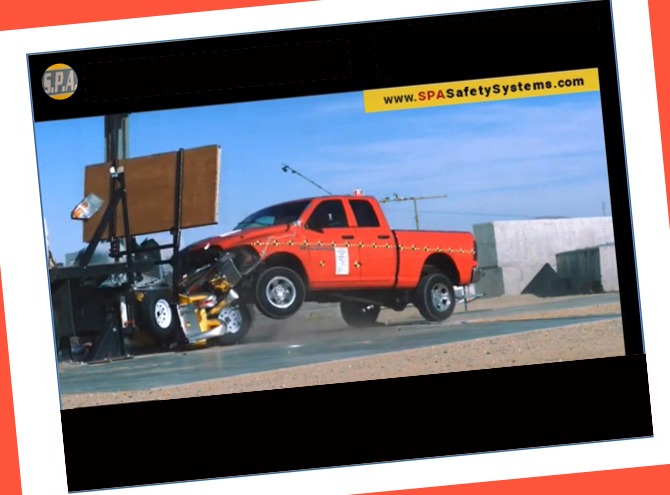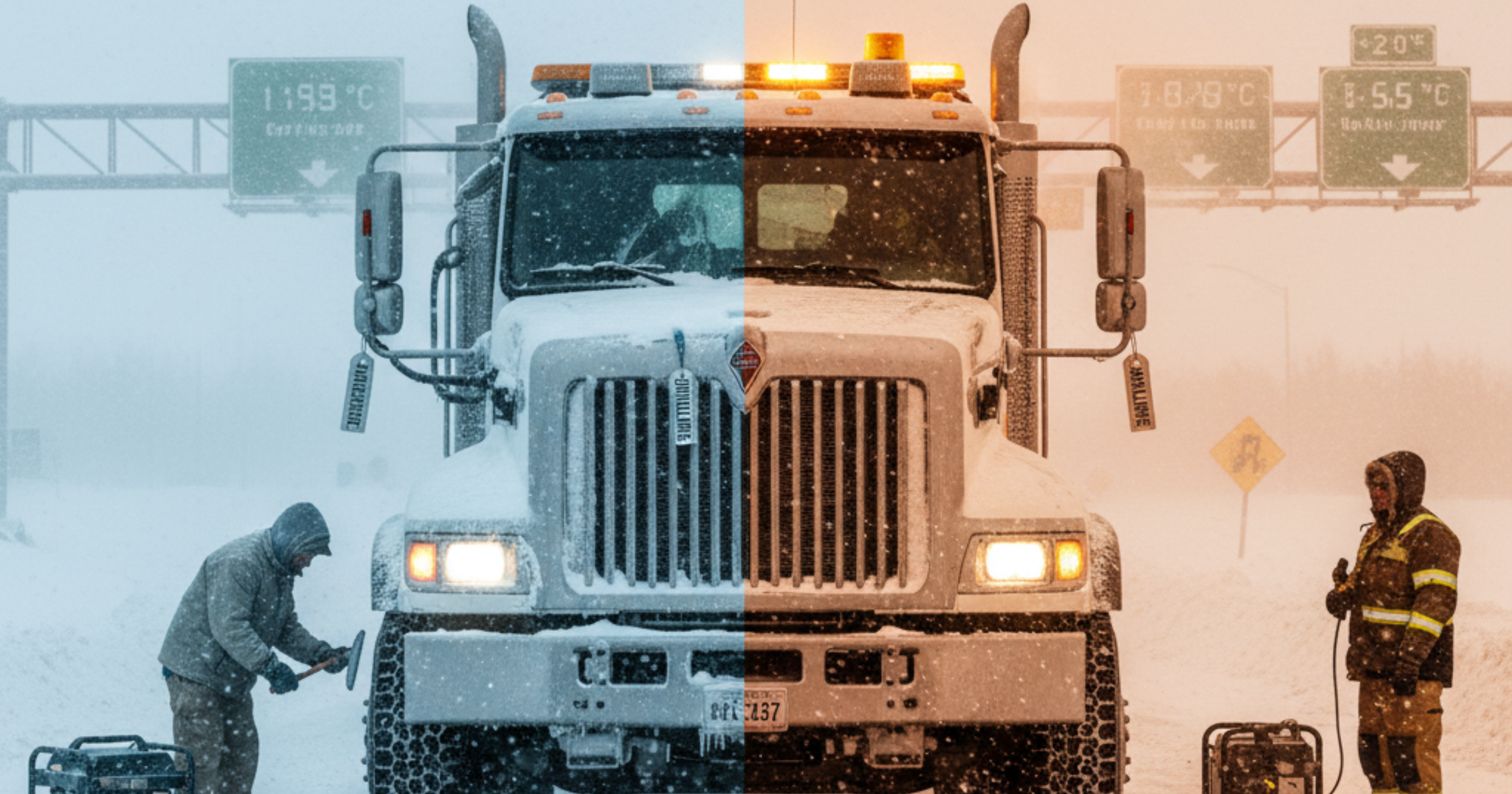
Winter transforms highway work zones into some of the most challenging environments for maintaining worker safety. When temperatures plummet, snow blankets roadways, and ice creates treacherous conditions, the TMA trucks that protect utility crews, highway maintenance workers, and emergency responders face their toughest operational tests. Understanding how cold weather affects these critical safety vehicles—and knowing proven solutions to overcome winter challenges—means the difference between reliable protection and dangerous equipment failures when workers need it most. TMA truck winter operations are quite different from those in the summer.
For organizations operating across the northern United States, winter isn’t just another season—it’s the most demanding period for traffic management attenuator systems. Power companies respond to storm-related outages affecting thousands of customers. Water utilities handle frozen pipe emergencies.
Highway departments work around the clock, clearing snow and treating icy roads. Emergency services see accident rates spike on slippery highways. All this critical work takes place under conditions that push equipment and operators to their limits.
The reality is that TMA truck winter operations’ cold-weather performance directly impacts worker safety, operational efficiency, and your organization’s ability to respond when communities need you most. This comprehensive guide draws on decades of real-world experience helping organizations maintain reliable attenuator truck operations under the harshest winter conditions.
How Cold Weather Attacks TMA Truck Systems
Understanding exactly how winter conditions affect different truck systems helps you anticipate problems and take preventive action before equipment fails in the field. Cold weather is remarkably effective at revealing and exploiting weaknesses in vehicle systems.
Hydraulic Systems Face Viscosity Challenges
The hydraulic systems controlling TMA deployment encounter immediate problems when temperatures drop. Hydraulic fluid thickens dramatically in cold weather, transforming from free-flowing liquid into something closer to molasses. This viscosity change creates multiple operational problems that compound as temperatures fall further.
Pumps strain to move thickened fluid through lines and valves, sometimes overheating from the excessive workload. Deployment and retraction cycles that take seconds in warm weather may require minutes when the fluid is cold. Control valves respond sluggishly or not at all when fluid won’t flow freely through small passages. Seals designed for normal-viscosity fluid may leak when forced to handle thick, cold oil under high pressure.
The solution starts with proper fluid selection. Winter-grade hydraulic oils maintain workable viscosity across temperature ranges from well above freezing down to 30 or even 40 degrees below zero Fahrenheit.
These specialized fluids use different base stocks and additive packages than standard hydraulic oils, engineered specifically for cold-weather performance. Organizations serious about winter readiness convert their entire TMA fleet to cold-weather hydraulic fluid before winter arrives rather than waiting for problems to develop.
Battery Systems Struggle with Cold Temperatures
Battery chemistry works against you in cold weather—the electrochemical reactions generating electrical current slow dramatically as the temperature drops. A battery that provides robust cranking power at 70 degrees Fahrenheit might deliver only half that capacity at 0 degrees.
Meanwhile, engine oil thickens, requiring more cranking power to turn the engine over. Cold weather creates the perfect storm—batteries produce less power precisely when engines need more.
This problem intensifies for TMA trucks because of their operational profile. These vehicles often idle for hours during work zone deployments, slowly draining batteries without the benefit of highway driving that would fully recharge them. Cold weather accelerates this drain while simultaneously reducing the battery’s ability to accept charge from the alternator.
After a long cold-weather deployment, operators sometimes discover their truck won’t restart—a serious problem when you need to relocate equipment or respond to another emergency quickly.
Proper battery maintenance becomes absolutely critical for winter operations. Load testing before winter identifies weak batteries that might survive summer but will fail under cold-weather stress. Replacement is far less expensive than field failures during emergency response. Battery terminals must be spotlessly clean and properly tightened—resistance at the connections increases when available power is already reduced by cold.
Some organizations invest in battery blankets or heating systems that maintain battery temperature during cold weather. These systems draw power from shore power when trucks are parked or from the vehicle’s electrical system during operation, keeping batteries warm enough to deliver full capacity even in extreme cold. While adding complexity and cost, they virtually eliminate cold-weather starting failures.
Impact Attenuators Respond Differently in Cold
The energy-absorbing materials inside TMA units—typically aluminum honeycomb structures, foam cartridges, or composite materials—have been engineered and tested to perform across wide temperature ranges.
However, material properties do change with temperature. Some materials become slightly more brittle in extreme cold, potentially affecting their crushability and impact energy absorption.
Traction and Handling Become Critical Concerns
TMA trucks often operate in locations with marginal traction, even in good weather—on narrow shoulders, steep grades, or in tight work zones. Add snow, ice, and the weight distribution changes that come with deploying a rear-mounted attenuator, and you have a recipe for positioning difficulties or even getting stuck.
All-season tires adequate for three-quarters of the year may prove insufficient for serious winter operations. Dedicated winter tires with aggressive tread patterns and rubber compounds formulated for cold temperatures deliver dramatically better traction on snow and ice.
The investment in seasonal tire changes pays dividends in reduced incidents, fewer stuck trucks requiring recovery, and improved operator confidence when positioning in challenging locations.
Tire chains provide another level of traction insurance for truly extreme conditions. While not practical for routine use, chains enable operation in snow depths or ice conditions that would otherwise make work impossible. TMA trucks should carry properly sized chains along with operators who know how to install them quickly when conditions warrant.
Tire pressure monitoring becomes more important in winter because pressure drops significantly as temperatures fall. A tire properly inflated at 70 degrees might be 15% under-inflated at 10 degrees, reducing traction, increasing fuel consumption, and causing uneven wear.
Daily pressure checks and adjustments should be standard practice throughout winter.
Comprehensive Pre-Winter Preparation Protocols
A systematic approach to pre-winter preparation addresses known vulnerabilities and positions your TMA fleet for reliable performance throughout the demanding months ahead.
Complete Fluid System Conversion
Changing all fluids to winter-appropriate formulations represents the single most important preparation step for cold-weather reliability.
This comprehensive fluid service should include switching to winter-grade hydraulic fluid rated for your lowest expected temperatures, installing engine oil with proper cold-weather viscosity ratings, filling washer reservoirs with freeze-protected fluid rated to minus 20 or colder, verifying coolant antifreeze protection and topping off as needed, and servicing transmission and differential fluids if vehicles have accumulated significant mileage.
Schedule this fluid service for your entire fleet during early fall, well before cold weather arrives. Waiting until the first cold snap means competing with every other fleet in your region for service appointments and winter-grade fluids that may be in short supply.
Proactive scheduling ensures your trucks are ready before you need them.
Thorough Battery and Electrical System Evaluation
A comprehensive electrical system inspection catches problems before they cause field failures.
This inspection should include load testing every battery to verify adequate cold-cranking capacity, cleaning and coating all battery terminals to prevent corrosion, testing every exterior light and replacing marginal bulbs before they fail, inspecting wiring harnesses for damage or brittle insulation, and verifying that alternators charge properly under full electrical load.
Pay special attention to warning lights, arrow boards, and other traffic control devices, as they become even more critical during winter, when visibility is often reduced. Replace any dim LED units or worn bulbs rather than waiting for complete failure during a deployment.
Attenuator Deployment System Inspection and Service
The mechanical and hydraulic systems that control attenuator deployment require thorough inspection and service before winter.
This should include lubricating all moving parts with cold-weather appropriate products, inspecting hydraulic cylinders for leaks and worn seals, checking cables and chains for wear, damage, or improper adjustment, verifying limit switches and position sensors, testing full deployment and retraction cycles, and addressing any hesitation or unusual noises.
Problems discovered during warm-weather shop testing can be corrected before winter arrives. Issues that emerge during cold-weather field operations are far more difficult and expensive to address, potentially leaving workers unprotected while equipment is repaired.
Emergency Equipment and Winter Supplies
Winter operations require additional equipment beyond what trucks carry during other seasons. Stock each TMA truck with tire chains properly sized for the vehicle, heavy-duty ice scrapers and snow brushes, sand or traction mats for improving grip if stuck, emergency blankets and extra cold-weather clothing, additional warning triangles and flares, and basic tools for field adjustments and repairs.
Consider adding portable jump-start batteries as well, since dead batteries are more common in cold weather, and waiting for another vehicle to assist wastes valuable time during emergencies.
Operator Best Practices for Cold Weather Deployments
Even perfectly maintained equipment encounters problems when operators don’t understand and follow cold-weather procedures. Training operators on winter-specific best practices improves safety and equipment reliability throughout the season.
Essential Pre-Deployment Procedures
Before taking a TMA truck into winter conditions, operators should allow adequate warm-up time for engine and hydraulic systems, completely clear all ice and snow from windows, mirrors, lights, and reflective surfaces, verify that heating and defogging systems work properly, check tire pressure and adjust to proper specifications, test attenuator deployment and retraction before leaving the facility, and confirm that all emergency equipment and supplies are aboard.
This pre-deployment routine adds a few minutes to departure time but prevents many common field problems. Discovering deployment issues in the shop is infinitely preferable to finding out after arriving at a work site where crews are waiting for protection.
Positioning Strategies for Snow and Ice
Positioning TMA trucks on snow-covered or icy surfaces demands different techniques than positioning on dry pavement.
Operators should approach work zones slowly with generous stopping distances, position slightly farther from active work than normal to account for reduced traction margins, avoid positioning on significant grades or cross-slopes where sliding might occur, verify the truck feels stable before deploying the attenuator, and communicate with crew supervisors if conditions seem too severe for safe positioning.
When conditions are marginal, sometimes the right decision is communicating that the work zone cannot safely proceed until conditions improve or additional support arrives. Operators should never feel pressured to position equipment in situations where instability could endanger themselves or workers.
Maintenance Strategies During Active Winter Operations
Maintaining of TMA trucks in winter requires different approaches than in summer, with some tasks becoming more frequent or more critical while others pose new challenges.
Addressing Field Repairs in Cold Weather
Performing maintenance or repairs in freezing conditions tests both the equipment and technicians. Tasks requiring minutes in a heated shop may take substantially longer when working outside in cold weather.
Whenever possible, bring trucks into heated facilities for maintenance rather than attempting repairs in the field. This improves repair quality, reduces technician exposure to cold, and enables proper testing before returning equipment to service.
When field repairs are unavoidable, portable heaters can create temporary warm work areas around specific systems being serviced. This improves working conditions for technicians and helps materials like adhesives, sealants, and thread lockers work properly—many products don’t cure correctly in extreme cold.
Combating Road Salt Corrosion
Road salt and chemical ice treatments that improve driving safety create serious long-term corrosion threats for vehicles constantly exposed to them. TMA trucks working on winter emergencies and highway maintenance face continuous exposure to these corrosive materials, which attack metal components, electrical connections, and hydraulic systems.
Regular washing provides the primary defense against salt corrosion during winter.
Many successful organizations wash TMA trucks weekly during active winter weather, paying particular attention to undercarriage areas where salt accumulates. High-pressure underbody rinse removes salt from suspension components, hydraulic lines, and frame members before significant corrosion develops.
Applying protective coatings to vulnerable areas before winter creates barriers between metal surfaces and corrosive chemicals. While requiring upfront investment of time and materials, this substantially extends component life and reduces long-term maintenance costs.
Winter-Specific Inspection Points
Daily pre-operation inspections should include specific checks relevant to winter conditions beyond standard items.
Look for ice buildup around wheel wells that might interfere with steering or suspension, examine hydraulic lines for leaks indicating cold-damaged seals, verify that exterior lights remain clear of snow and ice, and confirm that washer fluid dispenses properly. It hasn’t frozen in lines, ensure heating systems maintain comfortable cab temperatures, and check that tire pressure is correct for current temperatures.
Address any issues discovered during daily inspection before deploying the truck. Minor problems can escalate quickly during extended winter operations.
Technology Solutions for Winter TMA Operations
Modern technology offers several solutions specifically addressing winter operational challenges, improving both safety and reliability during cold-weather deployments.
Remote Monitoring and Diagnostics
Telematics systems that monitor equipment health in real-time become especially valuable during winter, when equipment stress increases and the consequences of failure are more serious.
These systems alert fleet managers to developing problems, such as declining battery voltage, hydraulic system issues, and heating system problems, before they pose operator safety concerns.
Organizations using telematics-equipped TMA trucks report that proactive monitoring catches many winter problems early, allowing preventive maintenance to keep equipment in service rather than reactive repairs after failures.
GPS Fleet Tracking and Coordination
Knowing exactly where deployed TMA trucks are located becomes more critical during winter, when additional incidents may develop rapidly, and equipment needs to be redeployed quickly.
GPS tracking integrated with dispatch systems allows organizations to identify the nearest available trucks for emergency response, monitor equipment utilization to ensure efficient resource allocation, and maintain accountability when multiple crews deploy during major winter events.
Automated Reporting Systems
Digital reporting that documents deployment details, equipment condition, and incidents reduces the paperwork burden on operators while improving record quality and completeness. This becomes particularly valuable during hectic winter emergency response when operators focus on critical tasks and may not have time for extensive manual documentation.
Training Programs for TMA Truck Winter Operations
Effective winter operation requires knowledge and skills beyond what’s needed during other seasons.
Comprehensive training programs should address winter-specific topics, including cold-weather equipment operation and maintenance, safe positioning techniques on snow and ice, cold-exposure recognition and prevention, emergency response procedures in winter conditions, and effective communication during reduced-visibility operations.
Many organizations conduct winter operations training annually before cold weather arrives, refreshing operators on lessons from previous winters and introducing equipment or procedural changes.
Training can incorporate tabletop exercises, walking through challenging scenarios, hands-on practice with winter emergency equipment, and a review of actual incidents from previous winters to identify lessons learned.
SPA Safety Systems works with customers to develop effective training programs tailored to their specific equipment, operating environment, and organizational needs.
Our team provides operator, maintenance, and safety coordinator training to help your organization maximize the effectiveness of TMA trucks throughout winter.
The Business Case for Comprehensive Winter Preparedness
Some organizations hesitate to invest in comprehensive winter preparation for TMA trucks, viewing it as expensive insurance against problems that might not occur. However, the business case for thorough winter readiness is compelling when examining the costs of inadequate preparation.
Equipment failures during emergency response create cascading problems, including workers left unprotected. In contrast, equipment is repaired or replaced, delays restoring critical infrastructure, potential regulatory violations for inadequate work zone protection, increased workers’ compensation risk, damage to reputation and customer relationships, and overtime costs for extended repairs and recovery.
When factoring in these potential costs, investment in proper winter preparation—quality fluids, preventive maintenance, operator training, and emergency equipment—represents excellent insurance paying for itself by preventing just one serious equipment failure during a critical winter emergency.
FAQs: TMA Truck Winter Operations Cold Weather
Q: What temperature is too cold for safe TMA truck operation, and what should we do when temperatures reach extreme lows?
There’s no absolute temperature at which TMA trucks cannot operate, but performance becomes increasingly challenging as temperatures drop into extreme ranges below 20 degrees Fahrenheit.
Modern TMA trucks properly prepared with winter-grade fluids, heated batteries, and cold-weather systems can operate reliably down to minus 30 degrees Fahrenheit or even lower. However, some systems may respond more slowly than normal. The bigger concern at extreme temperatures isn’t usually whether the TMA can function, but whether it’s safe to keep operators exposed to such dangerous cold during extended deployments.
Q: Is indoor storage during winter really necessary for TMA trucks, or can they remain parked outside without problems?
Indoor storage during winter provides substantial benefits for equipment reliability and readiness. However,h the degree of benefit depends on how often trucks deploy and what type of storage facility you have available.
Heated indoor storage is ideal because it maintains batteries at temperatures where they deliver full capacity, keeps all fluids at temperatures where they flow properly, prevents condensation that promotes corrosion, eliminates snow and ice accumulation that requires removal before operation, and ensures trucks are always ready for immediate deployment without a lengthy warm-up.
However, even unheated indoor storage offers significant advantages over outdoor parking by protecting equipment from precipitation, wind, and extreme temperature swings.
Q: Our organization only occasionally deploys TMA trucks during winter—do we really need the same level of winter preparation as organizations using equipment daily?
Organizations with occasional winter TMA deployments face a challenging dilemma—comprehensive winter preparation requires investment, but infrequent use might not seem to justify that expense.
However, the consequences of equipment failure during emergency response can be severe, regardless of how often you deploy, and winter emergencies often occur precisely when equipment hasn’t been operated recently and may not be at peak readiness. The smart approach is to scale preparation to address critical winter issues without necessarily implementing every possible cold-weather enhancement.
Working with SPA Safety Systems for Winter-Ready Equipment
Whether you own your TMA fleet or lease equipment from us, we’re committed to keeping your trucks operational throughout winter. Contact us at 973-347-1101 or austin@westchestermachinery.com to discuss your TMA truck winter operations needs and how we can help ensure your equipment is ready for whatever challenges the season brings.
Beyond TMA trucks, we offer comprehensive winter support for our full range of highway safety equipment, including scissor lift trucks for overhead work in winter conditions, cone trucks for traffic control, bucket trucks for utility repairs during winter emergencies, and hi-rail trucks for railroad work. We also maintain an inventory of message boards and arrow boards that perform reliably in cold weather.