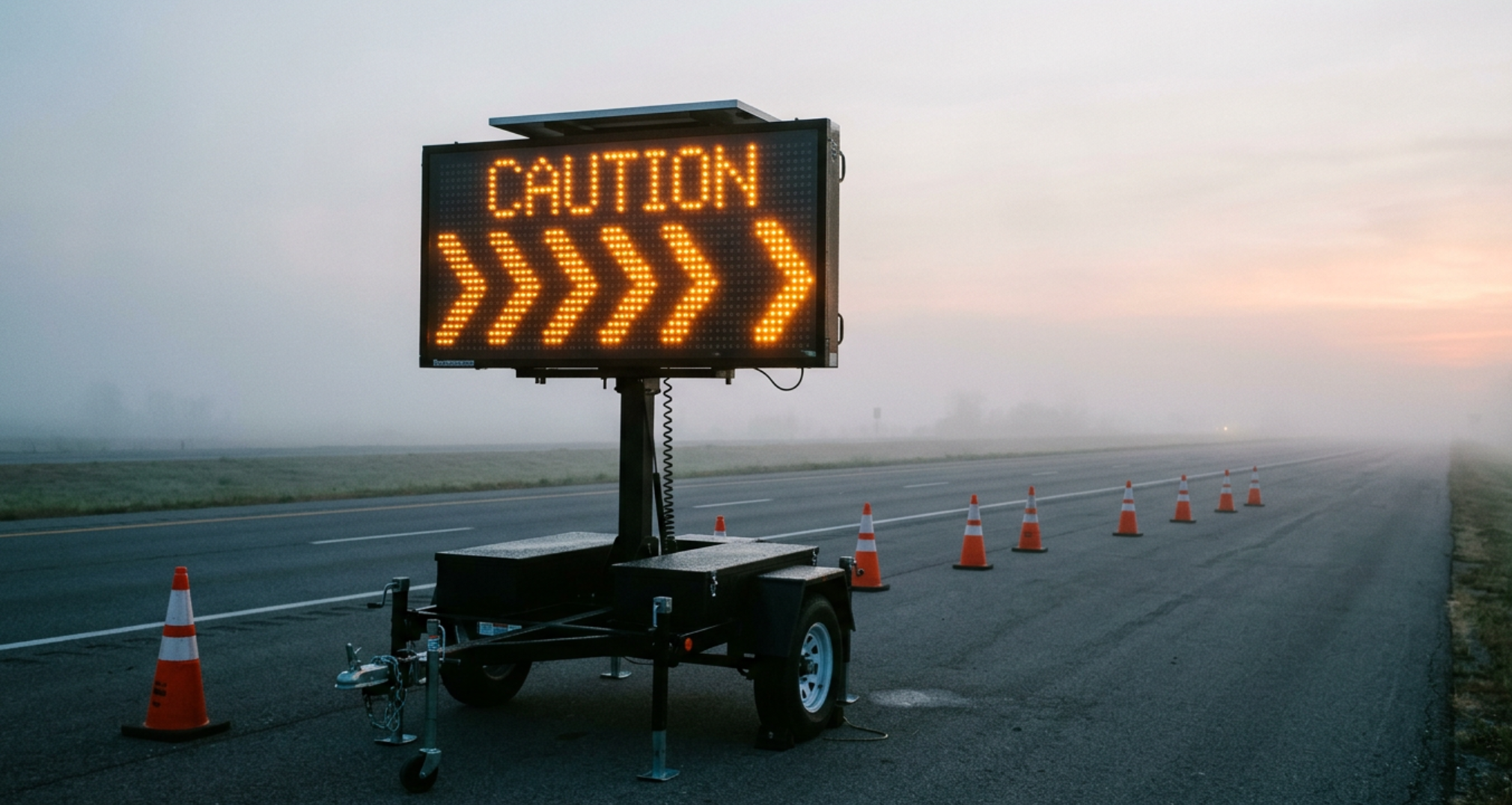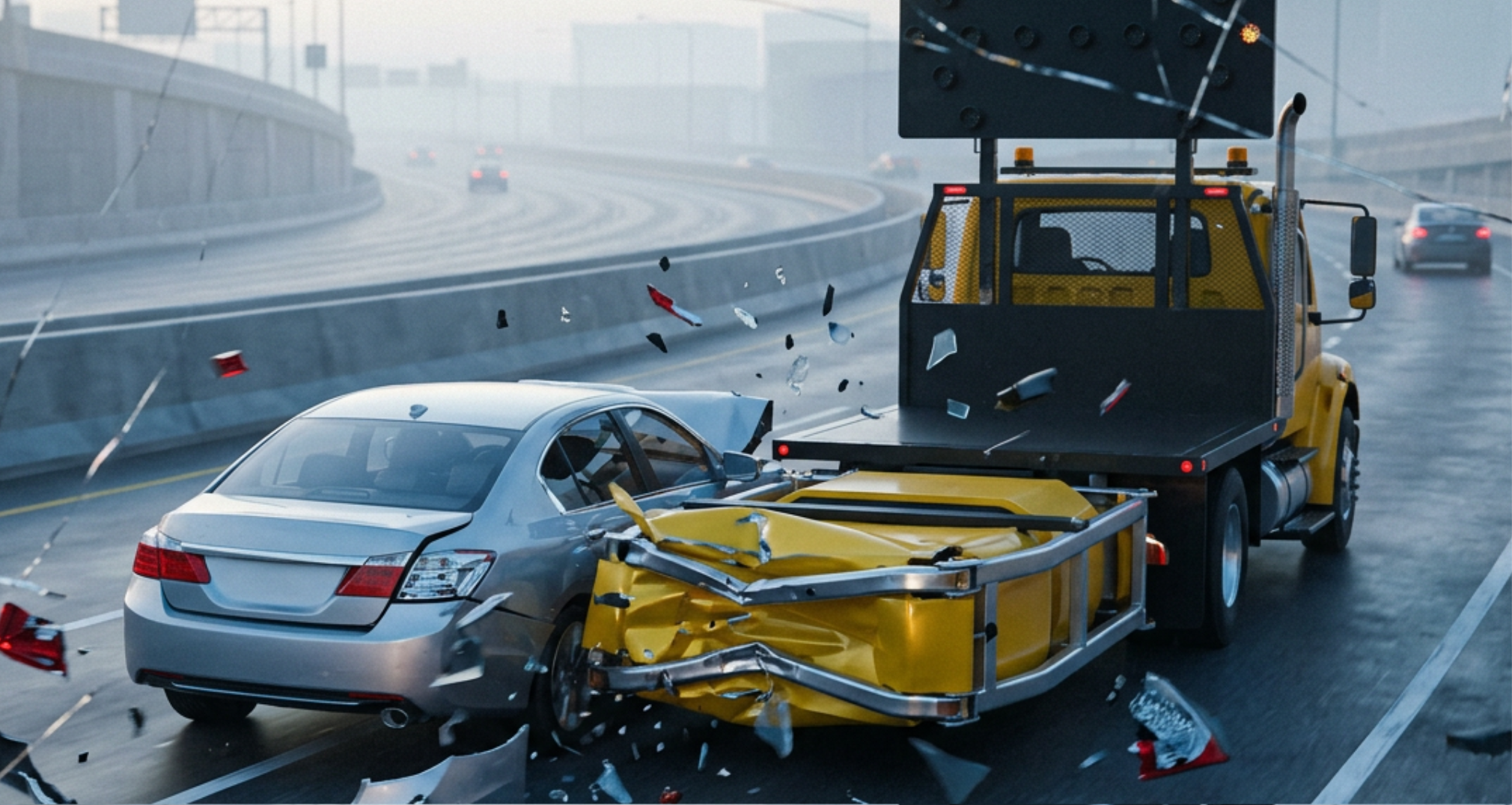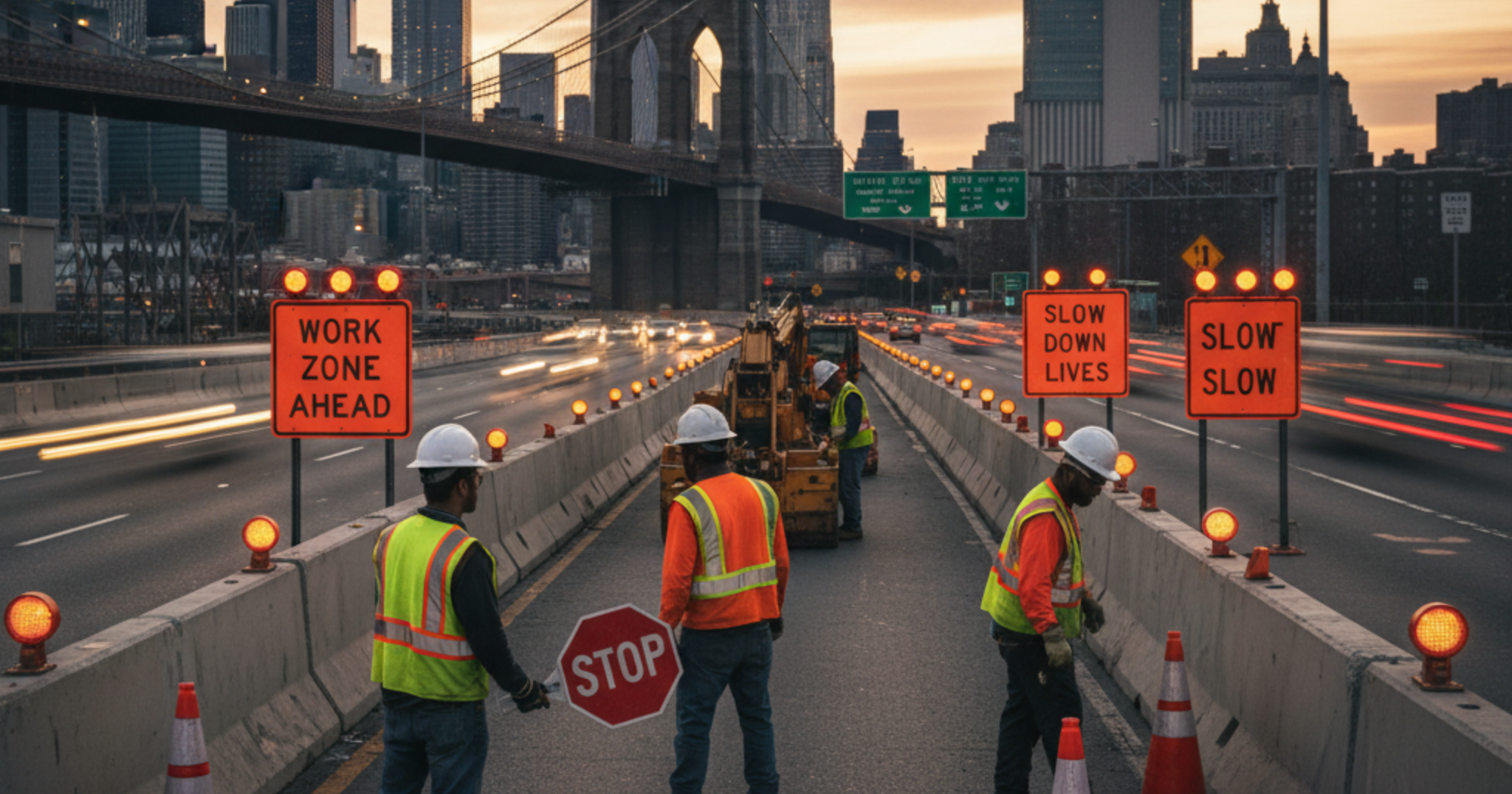
The New York work zone fatalities statistics are sobering, and they’re getting worse. In 2025, New York State recorded 47 work zone fatalities—an 18% increase from the previous year. Across the tri-state area, including northern New Jersey, where SPA Safety Systems is based, another 31 workers lost their lives in highway construction zones. These aren’t just statistics. They’re fathers, mothers, sons, and daughters who left for work one morning and never came home.
If you’re a contractor, project manager, or safety director working on New York highways, these numbers should keep you up at night. Because behind every fatality is a cascade of consequences: a family destroyed, a company facing potential criminal charges, insurance costs that can bankrupt smaller operations, and the psychological trauma that ripples through entire crews who witnessed something no one should ever see.
This comprehensive analysis examines what’s happening on New York roadways in 2026, why work zone fatalities continue climbing despite decades of safety improvements, which corridors present the highest risks, what regulatory changes NYSDOT implemented this year, and, most importantly, what actually works to keep workers alive when you’re operating on some of the most dangerous highways in America.
The Disturbing Reality: New York Work Zone Deaths Are Rising
The 47 work zone fatalities recorded in New York during 2025 represent the highest annual total since 2018. Even more concerning, preliminary data from the first quarter of 2026 suggests this trend isn’t reversing. Between January and March 2026, New York already recorded 14 work zone deaths, putting the state on pace for potentially 55-60 fatalities by year’s end if current trends continue.
Compare this to a decade ago. In 2016, New York recorded 32 work zone fatalities. We’ve seen a 47% increase over ten years despite significant investments in safety technology, training programs, and enforcement efforts. Something fundamental isn’t working, and understanding why requires looking beyond simple explanations.
The demographics of victims tell an important story. Contrary to what many assume, the majority of work zone fatalities aren’t construction workers—they’re motorists and passengers in vehicles that crashed in work zones. Of the 47 deaths in 2025, 29 were vehicle occupants, 14 were construction workers, and 4 were pedestrians or cyclists who entered work zones. This distribution matters because it reveals that work zone safety isn’t just about protecting workers from traffic—it’s about preventing the crashes that kill everyone involved.
Geographic concentration reveals patterns that should inform where we focus resources. Three corridors accounted for 43% of all New York work zone fatalities in 2025:
The I-95 corridor through the Bronx, Westchester, and into Connecticut claimed 9 lives. This stretch carries some of the highest traffic volumes in the nation—over 150,000 vehicles daily in some sections. Work zones on I-95 combine everything dangerous: high speeds, heavy truck traffic, frequent congestion that creates stop-and-go conditions where inattentive drivers rear-end slower vehicles, and limited space for protective buffers between workers and traffic.
The Long Island Expressway (I-495) accounted for 7 fatalities. The LIE has earned its nickname “the world’s longest parking lot” because of chronic congestion, but that congestion creates a false sense of security. Traffic alternates between crawling gridlock and sudden high-speed flows when congestion clears. Drivers frustrated by delays take risks—aggressive lane changes, distracted phone use, speeding between bottlenecks—that turn deadly when work zones appear.
The times when fatalities occur reveal important patterns about causation. Nighttime work zone deaths are disproportionately high relative to the amount of nighttime work performed. While only about 30% of highway work happens between 7 PM and 7 AM, these overnight hours account for 52% of work zone fatalities. Visibility limitations, driver fatigue, and higher rates of impaired driving at night all contribute to this disparity.
Weather conditions factor into about one-third of work zone crashes. Rain, snow, fog, and ice don’t just make roads slippery—they reduce visibility of warning signs and traffic control devices, create conditions where drivers focus intensely on the road immediately ahead rather than watching for work zones, and encourage some drivers to follow vehicles ahead too closely because they can’t see far enough to maintain safe distances.
Why New York’s Highways Are Particularly Dangerous
New York presents unique challenges that make work zone safety harder than in many other states. Understanding these factors helps explain why our fatality rates exceed national averages and what strategies might actually work in our specific context.
Proximity to urban centers means that many work zones have nowhere to stage equipment, store materials, or establish safe buffer zones. When you’re working on the Cross Bronx with buildings immediately adjacent to the highway, you can’t create the ideal 500-foot approach taper or position attenuator trucks with generous spacing. You work in constrained spaces where best practices must be adapted to physical reality.
The sheer variety of work occurring on New York highways creates complexity that increases risk. On any given day, NYSDOT manages hundreds of active work zones across the state—everything from minor pothole patching to multi-year bridge reconstructions. Each project has different traffic control requirements, different hazards, and different contractors with varying safety cultures. This diversity makes standardization difficult and creates situations where motorists encounter different types of work zones in rapid succession, leading to confusion about what to expect.
The Human Factor: Why Drivers Kill Workers
While much attention focuses on work zone design, equipment, and regulations, the uncomfortable truth is that most work zone fatalities result from human error—specifically, drivers making bad decisions or losing attention at the worst possible moment.
The psychological phenomenon called “inattentional blindness” explains why drivers sometimes literally don’t see work zones despite prominent warning signs. When drivers focus intensely on one task (like checking their phone or adjusting navigation), their brain effectively filters out other visual information. Multiple studies have shown that drivers looking directly at motorcycles, pedestrians, or warning signs sometimes have no conscious awareness of seeing them. Their eyes may have recorded the information, but their brain didn’t process it.
This isn’t about intelligence or driving skill—it’s fundamental human neurology. Under cognitive load, we miss obvious things. This explains crashes in which investigation reveals that the driver had clear sight lines, adequate warning, and dry pavement, yet still plowed into a work zone at full highway speed. They weren’t drunk or reckless; they simply never consciously registered the work zone’s existence.
Speed differentials between traffic and work zone speed limits create dangerous situations even when drivers aren’t technically speeding. When highway traffic is traveling at 70 mph and suddenly encounters a work zone with a 45-mph limit, drivers must reduce their speed by 35% very quickly. Many drivers don’t or can’t reduce speed adequately in the distance provided, creating situations where vehicles approach work zones far too fast.
The problem intensifies when speed reductions seem unjustified to drivers. If workers and equipment are clearly visible and separated from traffic, many drivers question why they need to slow down and choose not to slow down. This is why “phantom” work zones—where signs indicate work zone limits but no visible activity is occurring—are so problematic. They train drivers to ignore posted limits, leading them to maintain high speeds even in active work zones where real danger exists.
Driver fatigue plays a major role, particularly in work zone crashes involving commercial trucks. Long-haul truckers operating under pressure to meet schedules often push beyond safe limits of wakefulness. Fatigued drivers experience reaction times similar to impaired drivers and are prone to “microsleeps”—brief 2-4 second lapses into sleep that can cover several hundred feet at highway speeds. When these lapses occur while approaching work zones, crashes are nearly inevitable.
What’s Actually Protecting Workers: Equipment and Technology That Works
Given these sobering realities, what’s actually keeping workers safe? Which technologies and strategies have proven effectiveness in reducing work zone fatalities?
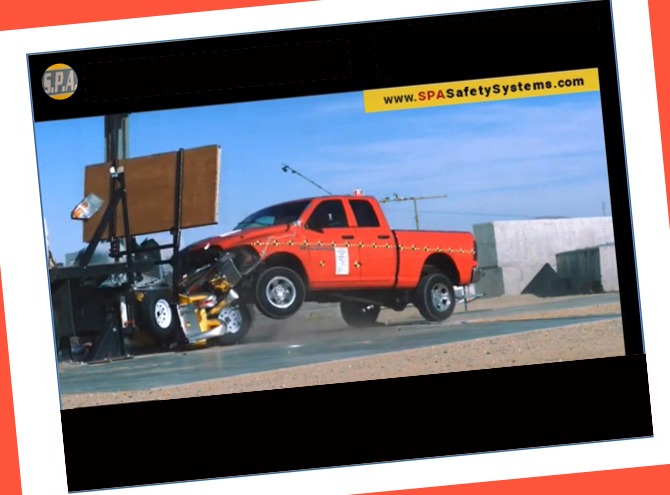
Truck-mounted attenuators (TMAs) remain the single most effective technology for protecting workers from traffic intrusions. When properly positioned and maintained, TMA trucks absorb crash energy that would otherwise be transmitted to workers, equipment, and work areas. Data from NYSDOT show that work zones with properly positioned TMAs experience 73% fewer worker fatalities from traffic crashes than work zones without TMAs.
SPA Safety Systems has pioneered innovations in TMA design, specifically addressing challenges contractors face on congested New York highways. Our attenuator trucks incorporate features that make proper positioning easier, even in constrained spaces, including redundant lighting systems that maintain visibility even during partial system failures and maintenance programs that ensure equipment remains fully functional when it’s needed most.
Intrusion alarms represent an emerging technology showing promise for preventing TMA strikes. These systems use radar, lidar, or vision-based sensors to detect vehicles approaching the work zone at dangerous speeds. When the system identifies a vehicle that isn’t decelerating appropriately, it triggers both warnings to the approaching driver (enhanced visual signals and audible alerts, if equipped) and alerts to workers that a crash may be imminent, giving them precious seconds to move to safer positions.
Early deployments of intrusion alarm systems in New York pilot programs showed mixed results. The technology works—it accurately identifies dangerous approaches with relatively few false alarms. However, the value depends entirely on whether workers actually respond to alerts. In high-traffic work zones where vehicles constantly pass by, workers can become desensitized to alarms, much like car alarms that everyone ignores. Training workers to treat intrusion alarms seriously while avoiding alarm fatigue remains an ongoing challenge.
Portable rumble strips and dynamic speed warning signs have shown effectiveness in reducing vehicle speeds approaching work zones. Portable rumble strips—temporary grooved patterns placed on pavement upstream of work zones—create vibration and noise that alerts drivers they’re entering a different zone requiring attention. Dynamic signs that display actual vehicle speeds create social pressure that encourages drivers to slow when they see their posted speed.
NYSDOT studies show that well-designed warning systems can reduce average speeds through work zones by 8-12 mph and significantly reduce the percentage of vehicles exceeding work zone limits by 15 mph or more. These reductions translate directly into reduced crash severity when collisions do occur.
Nighttime visibility presents particular challenges. Retroreflective material works by bouncing vehicle headlights back toward the driver, but only when the driver is looking in the right direction, and the headlights are properly aimed. LED lights on safety vests create their own light source, making workers visible even to drivers not looking directly at them. Preliminary research suggests that LED-enhanced safety gear reduces nighttime work-zone crashes by approximately 30% compared to standard retroreflective vests alone.
Positive protection barriers—concrete barriers, water-filled barriers, or heavy-duty guardrails—offer the highest level of protection when space and project duration warrant their use. Unlike TMAs that absorb impact energy, positive protection stops vehicles completely, preventing any intrusion into the work area.
Cone trucks, scissor lift trucks, and other specialized highway maintenance equipment designed with safety as a primary consideration incorporate features that reduce worker exposure to traffic.
Proven Strategies That Reduce Fatalities
Beyond equipment and regulations, what operational practices actually reduce work zone fatalities in real-world New York conditions?
Time-of-day optimization represents one of the most effective strategies. Whenever possible, conducting high-risk activities during off-peak hours when traffic volumes are lowest reduces exposure to crashes simply by reducing the number of vehicles passing the work zone. Nighttime work increases visibility risks but dramatically reduces traffic volume on many routes.
The key is to analyze traffic patterns for specific corridors and identify optimal work windows that balance traffic volume, lighting conditions, and operational efficiency. For example, on the LIE, traffic volumes drop approximately 75% between 11 PM and 5 AM compared to peak periods. Yes, you’re working at night with visibility challenges. Still, you’re exposed to far fewer vehicles, and the vehicles passing are traveling in free-flow conditions rather than the chaotic stop-and-go patterns of rush hour, where rear-end crashes proliferate.
Communication protocols between TMA operators and work crews provide critical seconds of warning when vehicles approach dangerously.
These warnings have prevented injuries in numerous documented near-miss incidents in which workers moved to protected positions in the seconds before errant vehicles crashed into work zones.
The system only works if:
(1) TMA operators remain constantly alert to approaching traffic rather than reading, using phones, or being otherwise distracted
(2) radios are set to proper channels, volume is adequate, and all workers maintain radio awareness
(3) Workers trust alerts and respond immediately rather than hesitating or debating whether the threat is real.
Regular equipment maintenance prevents failures that leave workers unprotected.
TMA trucks must be inspected daily before each use. Lighting systems must be tested. Attenuator components must be checked for damage or wear. Any equipment showing signs of damage must be removed from service immediately—no exceptions, such as “it’s probably fine” or “we need this truck today, so we’ll use it anyway.”
Taking Action: Implementing Improvements in Your Operations
Understanding statistics and strategies is worthless without implementation. What specific actions should you take today to reduce work zone crash risk in your operations?
Start with an honest assessment of current practices. When was the last time you conducted a comprehensive safety audit of work zone operations—not a checkbox compliance review but a genuine evaluation of whether your practices reflect current best standards? Do your crews consistently position TMA trucks correctly, or do they cut corners when supervisors aren’t watching? Are your TMAs maintained to manufacturers’ specifications, or are you running equipment that should have been replaced years ago?
Anonymous crew surveys can reveal safety concerns that workers won’t voice directly to management. Workers know where corners get cut, which supervisors pressure crews to work unsafely, and what near-misses haven’t been reported. Creating channels for workers to report concerns without fear of retaliation often uncovers problems that remain invisible to management.
Equipment investment often delivers better ROI than contractors expect. That aging TMA truck that “still works fine” may meet minimum standards, but it lacks safety features that modern equipment provides. LED lighting with redundant systems, enhanced attenuator designs with improved energy absorption, and integrated warning systems that improve visibility—these improvements can mean the difference between a crash your TMA safely absorbs and one that reaches workers.
SPA Safety Systems offers both rental and purchase options, allowing contractors to upgrade equipment without massive capital outlays. Our rental programs provide access to the latest specification equipment with full maintenance support, ideal for contractors evaluating new technologies or managing seasonal demand variation. For contractors ready to invest in owned equipment, our financing programs make modern safety equipment accessible at manageable monthly costs.
Leading contractors are implementing telematics systems that continuously monitor TMA positioning and alert supervisors in real-time when equipment isn’t positioned within the required parameters. If a crew moves a TMA out of position, removes it from the work zone, or fails to deploy it when required, supervisors are immediately notified. They can intervene before OSHA inspectors or crashes identify the violation.
Looking Forward: The Future of New York Work Zone Safety
What does the next 5-10 years hold for work zone safety in New York? Several trends and emerging technologies suggest how operations will evolve.
Autonomous and semi-autonomous safety equipment will gradually reduce human error that causes many incidents. Automated TMA trucks that position themselves correctly, maintain proper following distances, and alert human operators to dangerous approaching vehicles are already in testing. While fully autonomous operations remain years away, driver-assist features that help operators maintain safe positioning are now entering the market.
FAQs: New York work zone fatalities 2026
Q: What should I do immediately after a vehicle strikes our work zone or TMA truck?
A: First, ensure no workers are in immediate danger from additional traffic. Call 911 immediately to report the crash, request police and EMS response, and secure the scene by positioning additional warning devices upstream if possible. Check on any TMA operators or workers who may have been affected. Document everything with photos and video before vehicles move. Do not admit fault or make statements about causation to anyone except law enforcement and your insurance carrier. Contact your safety director and insurance company as soon as the immediate emergency is stabilized. Preserve all equipment involved, as it will be part of the investigation.
Q: Are TMA trucks required for all highway work zones in New York?
A: As of January 2026, NYSDOT requires TMAs for all work zones on limited access highways with speed limits above 50 mph when workers are within 15 feet of the traveled way. Requirements vary by roadway type, depending on factors such as speed limit, traffic volume, work duration, and specific activities. The Manual on Uniform Traffic Control Devices (MUTCD) and NYSDOT standards provide detailed guidance, but when in doubt, deploying a TMA truck provides protection even if not strictly required. SPA Safety Systems can help assess whether your specific work zones require TMAs under current regulations.
Q: How can I convince management to invest more in work zone safety equipment when budgets are tight?
A: Present the business case based on the total cost of ownership, not just purchase price. Calculate the potential costs of a single fatal work zone crash: OSHA fines ($150,000+), criminal defense costs ($100,000+), civil lawsuit settlements ($1-5 million), increased insurance premiums (20-50% increase lasting years), and lost business from reputational damage. Compare these potential costs to the investment in modern TMA trucks, enhanced training, and safety technology (typically $100,000-300,000 for comprehensive upgrades).
Conclusion: Your Workers Depend on Your Decisions
The 47 work zone fatalities New York experienced in 2025 weren’t inevitable. Each one resulted from specific circumstances in which different decisions, better equipment, or improved practices might have changed the outcome. The 14 deaths we’ve already seen in early 2026 similarly represent failures—failures of attention, equipment, planning, or culture.
You can’t control distracted drivers, impaired motorists, or the dangerous conditions inherent in working on New York’s congested highways. But you can control how you protect your workers from these hazards. You can invest in proven safety equipment, such as properly maintained TMA trucks. You can implement operational practices that reduce exposure to traffic. You can train crews thoroughly and support them when trauma occurs. You can build a culture where safety genuinely takes priority over schedule and cost pressures.
SPA Safety Systems has spent decades helping contractors across the New York region protect their workers on some of America’s most dangerous highways.
Contact us at 973-347-1101 or austin@westchestermachinery.com to discuss how we can help your organization improve work zone safety. Your workers depend on the decisions you make today. Make the ones that bring them home safely tomorrow.