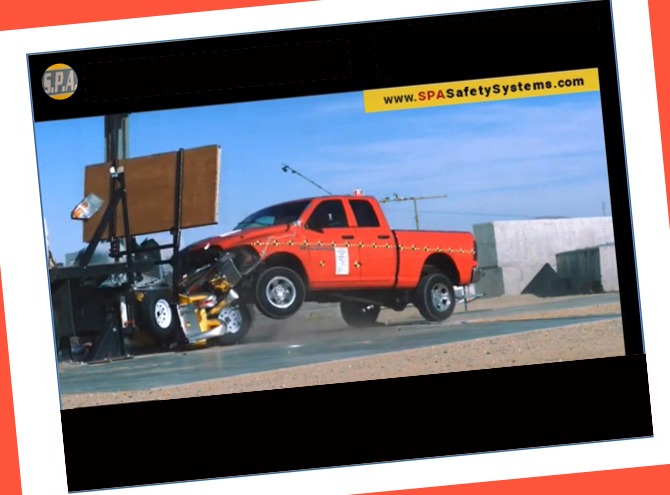
Navigating the shift from NCHRP 350 to MASH compliance is complicated, but you don’t have to figure it out alone. SPA Safety Systems has been helping contractors through this transition since MASH standards first appeared. We understand the technical requirements regarding MASH 2016 vs NCHRP 350, the timeline pressures, and the financial challenges involved.
Fleet Assessment and Compliance Planning
We’ll evaluate your current equipment and give you straight answers about what’s compliant and what’s not.
No sales pressure, just honest assessment of where your fleet stands and what your options are.
Our team works with your project pipeline to develop a phased upgrade plan that aligns with your business needs. Maybe you don’t need to replace everything at once. We can identify which trucks need immediate attention based on the projects you’re pursuing and which ones can wait another year if budget is tight.
MASH-Certified Equipment Options
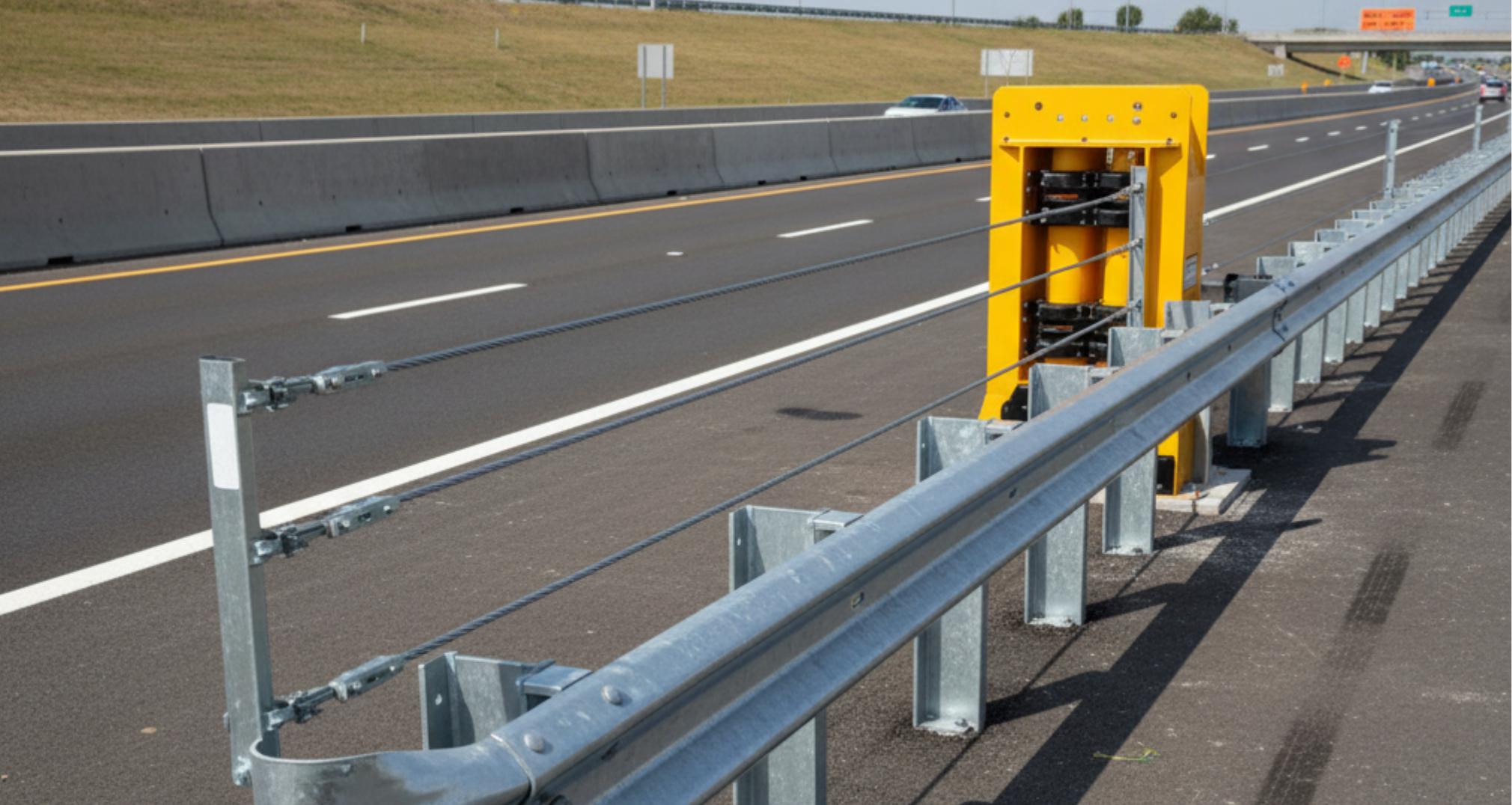
SPA Safety Systems offers a range of MASH-compliant TMA truck configurations designed to suit different job requirements, fleet needs, and budgets. Our trucks are built to meet MASH Test Level 3 standards for highway work-zone applications, with options to tailor the chassis, truck-mounted attenuator, and supporting equipment around the way your crew actually works.
We take care of the entire process from start to finish. That means helping you select the right vehicle, coordinating the build, completing certification, and delivering a fully finished truck that is ready to go to work.
You will not have to chase down separate chassis dealers, upfitters, and attenuator manufacturers—we manage the details so you can stay focused on running your operation.
Financing and Trade-In Solutions
We work with multiple equipment financing partners who understand highway construction and traffic control. We can help you structure deals that make sense for your cash flow, whether that’s traditional financing, leasing, or rent-to-own arrangements. Our financing partners work with contractors of various sizes and credit profiles.
We’ll also take your old NCHRP 350 equipment in trade, even though the market for it is tough. We can use older trucks for parts or refurbishment, which means we can offer trade-in value when other buyers won’t touch your old gear. Trading in old equipment reduces your upfront cash requirement and simplifies the transition.
Service and Support Through the Equipment Life
MASH compliance doesn’t end when you take delivery of new trucks. Maintaining that compliance requires proper service, documentation, and occasional recertification. Our 19,200-square-foot facility in Flanders, New Jersey, provides complete service and repair for all the trucks we sell.
We maintain detailed service records that prove your equipment has been maintained to manufacturer specifications. That documentation becomes critical if you ever need to demonstrate compliance during an audit or following an incident. We can also handle annual inspections and provide the certification paperwork many DOTs now require for TMA trucks operating on their projects.
If something breaks in the field, we’ve got the parts inventory and technical expertise to get you back up and running fast. Downtime on highway projects costs serious money. Our parts department stocks critical components, and our service team understands the urgency when you’ve got a project shutdown waiting on a repair.
Timeline for Making Your Fleet Compliant
You know you need to upgrade, but when? The answer depends on your specific situation, but here are the decision points that should drive your timeline.
Immediate Action Required
If you’re currently working on projects that specified MASH compliance and you’re using NCHRP 350 equipment, stop immediately. The liability exposure is unacceptable. Rent compliant equipment, subcontract the traffic control, or work with SPA Safety Systems on emergency equipment delivery.
Contractors bidding on work in early adopter states (California, Texas, Florida, Washington, Colorado) need compliant equipment right now. You can’t compete in these markets with old gear. If these states represent significant parts of your business, equipment upgrades should have happened years ago, but the second-best time is immediately.
Six-Month Planning Window
If your current project pipeline doesn’t require MASH compliance but you’re seeing it in upcoming bids, you’ve got about six months to make moves. Start the process now because lead times matter.
Use the six-month window to nail down financing, finalize specifications, and place orders. You want trucks delivered before you actually need them urgently.
Last-minute equipment purchases mean you’re negotiating from a position of weakness and may have to accept whatever’s available rather than getting the configuration you really want.
One-Year Transition for Multi-Truck Fleets
Larger contractors with five or more TMA trucks probably can’t replace everything at once without serious cash flow strain. Plan a staggered upgrade over 12 to 18 months that replaces trucks in priority order based on which projects and markets they serve.
Replace trucks working in strict-compliance markets first. Next, upgrade units with the highest mileage or the most expensive to maintain. Finally, replace the newest NCHRP 350 trucks that might have a bit more useful life. This approach spreads the financial impact while progressively reducing compliance risk.
FAQs: MASH 2016 vs NCHRP 350
If I buy a used TMA truck from another contractor, how can I be sure it actually meets MASH standards and not just NCHRP 350?
Get the serial number and call the manufacturer directly before you buy. Companies like SPA Safety Systems keep records on every unit they’ve built and can tell you the exact certification.
Look for the permanent label on the attenuator that shows MASH 2016 compliance with the FHWA eligibility number. If the label is missing or looks tampered with, don’t buy it. Anything manufactured before 2016 is almost definitely NCHRP 350, and even 2016-2018 models are questionable because manufacturers were clearing old stock.
Get written proof from the seller that specifically guarantees MASH compliance, not just generic paperwork saying the equipment works fine.
My insurance agent hasn’t said anything about MASH compliance, so does that mean my current coverage is fine even with older NCHRP 350 trucks?
Just because your insurance agent has not raised the issue does not automatically mean you are protected. Many agents are not specialists in work-zone safety standards or construction-equipment compliance, so it is worth checking the details yourself.
Review your policy carefully, paying close attention to equipment conditions, exclusions, and any contract-compliance language. Then contact your insurance carrier directly and ask—preferably in writing—whether your coverage applies if NCHRP 350 equipment is used on a project that requires MASH compliance.
Getting a clear answer before a problem arises is far better than finding out after an incident. If non-compliant equipment puts you in breach of a project requirement, it could create serious complications during a claim or investigation. When your trucks, contracts, and crews are on the line, written confirmation is simply good business.
I work mostly on smaller county and municipal projects that don’t usually involve federal money, so can I keep using my NCHRP 350 trucks for a few more years until they’re completely worn out?
You might get away with it for another year or two on purely local work, but that window is closing fast. Counties and cities are facing pressure from their own insurers to require MASH compliance even on local projects.
If something goes wrong and you’re using outdated equipment, you’ll face liability issues regardless of what the contract said. Your insurance carrier might also start questioning why you’re running old equipment that doesn’t meet current standards.
Plus, every month you wait, those NCHRP 350 trucks lose more resale value. Right now you might get 15-20% of what you paid. Wait longer, and you’ll get nothing but scrap value.
Conclusion
The move to MASH-compliant equipment is changing the way contractors prepare for work-zone projects. It is no longer just about having newer gear in the yard—it is about keeping your crews protected, your bids competitive, and your operation ready for the jobs ahead.
Waiting until a project requirement leaves you with no choice can be costly. It often means rushed decisions, higher upgrade costs, and missed work that your business could have won. Take stock of your current fleet, review the specifications for the projects you want to pursue, and put together an upgrade plan that fits your budget and timeline.
SPA Safety Systems can help simplify that process. We have worked with contractors through equipment upgrades and understand the pressure behind every purchasing decision. Call 973-347-1101 to discuss your fleet, your upcoming work, and the options that make the most sense for your business.
Do not wait for an equipment issue or a compliance question to put a major contract at risk. Plan, upgrade with confidence, and keep your operation ready for the road ahead.