Running a truck fleet is one of the most demanding jobs you can take on. You are responsible for heavy machinery, tight deadlines, and most importantly, human lives. When your crew steps onto a busy highway, they are fully exposed to oncoming traffic. Planning safe work zones is not just a regulatory requirement. It is a moral obligation to make sure every single worker goes home to their family at night. You need the right strategy and the best equipment to plan safe work zones.
I am not some massive faceless corporation sitting in a distant boardroom. I run a local truck fleet, and I know exactly what it takes to secure a dangerous job site.
We proudly serve hardworking communities across Basking Ridge, Bedminster, and Bernardsville. We also help business owners in Far Hills, Gladstone, Hillsborough, and Warren protect their crews.
Just last week, I spoke with local project managers like Kalpana and Mark. They were setting up a massive overnight paving job and needed solid advice on where to place vehicles.
I told them that a safe work zone is built entirely around the trucks you deploy. Here is exactly how to plan safe work zones with the right trucks for your next project.
Understanding the Anatomy of a Work Zone
Every work zone is divided into four distinct areas, each requiring different safety measures. You cannot just park a truck on the shoulder and call it a day.
The first section is the warning area where you alert drivers to the upcoming changes. Communication is critical here to prevent sudden braking.
Next is the transition area where you physically move traffic out of its normal path. This section requires precise channelization to guide vehicles safely away from your crew.
Next is the activity area, where the actual construction or maintenance takes place. Finally, the termination area guides drivers safely back into their normal traffic lanes.
Deploying Message Board Trucks for Advance Warning
The warning area is your first line of defense against distracted drivers. You must grab their attention long before they reach your actual workers.
Message board trucks are the absolute best tool for this specific job. They sit high above the traffic and project bright warnings that cannot be ignored.
You need to park your message board truck far enough upstream to give drivers time to react. If you place it too close to the transition area, drivers will panic and swerve.
Keep your messages incredibly short and highly visible. Tell drivers exactly what to do, like merge left or reduce speed immediately.
Using Cone Trucks for Perfect Transitions
The transition area is where the physical lane closures actually happen. You need to deploy hundreds of traffic cones to create a safe taper for merging vehicles.
Doing this by hand while walking in a live lane is basically a death wish. You absolutely need a dedicated cone truck for this dangerous task.
Cone trucks are designed with low riding platforms and safety harnesses for your workers. This lets your crew drop and retrieve cones quickly while staying protected.
A smooth, perfectly spaced cone taper prevents traffic bottlenecks and aggressive driving. Your cone truck is the key to creating that flawless transition.
The Critical Role of TMA Attenuator Trucks
The activity area is the most vulnerable part of your entire work zone. This is where your crew is working on foot, completely exposed to rogue vehicles.
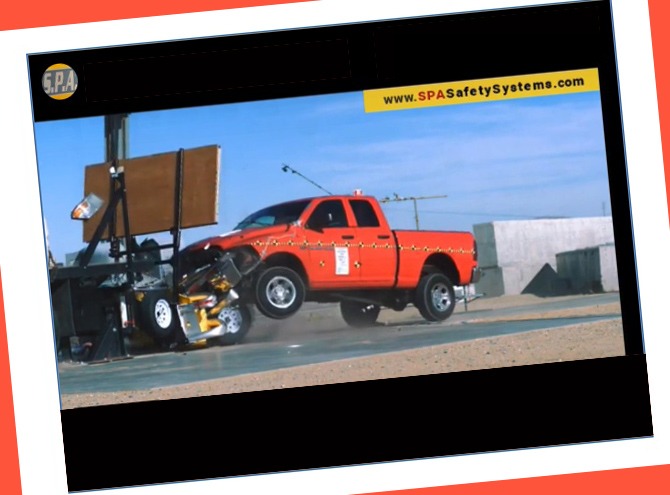
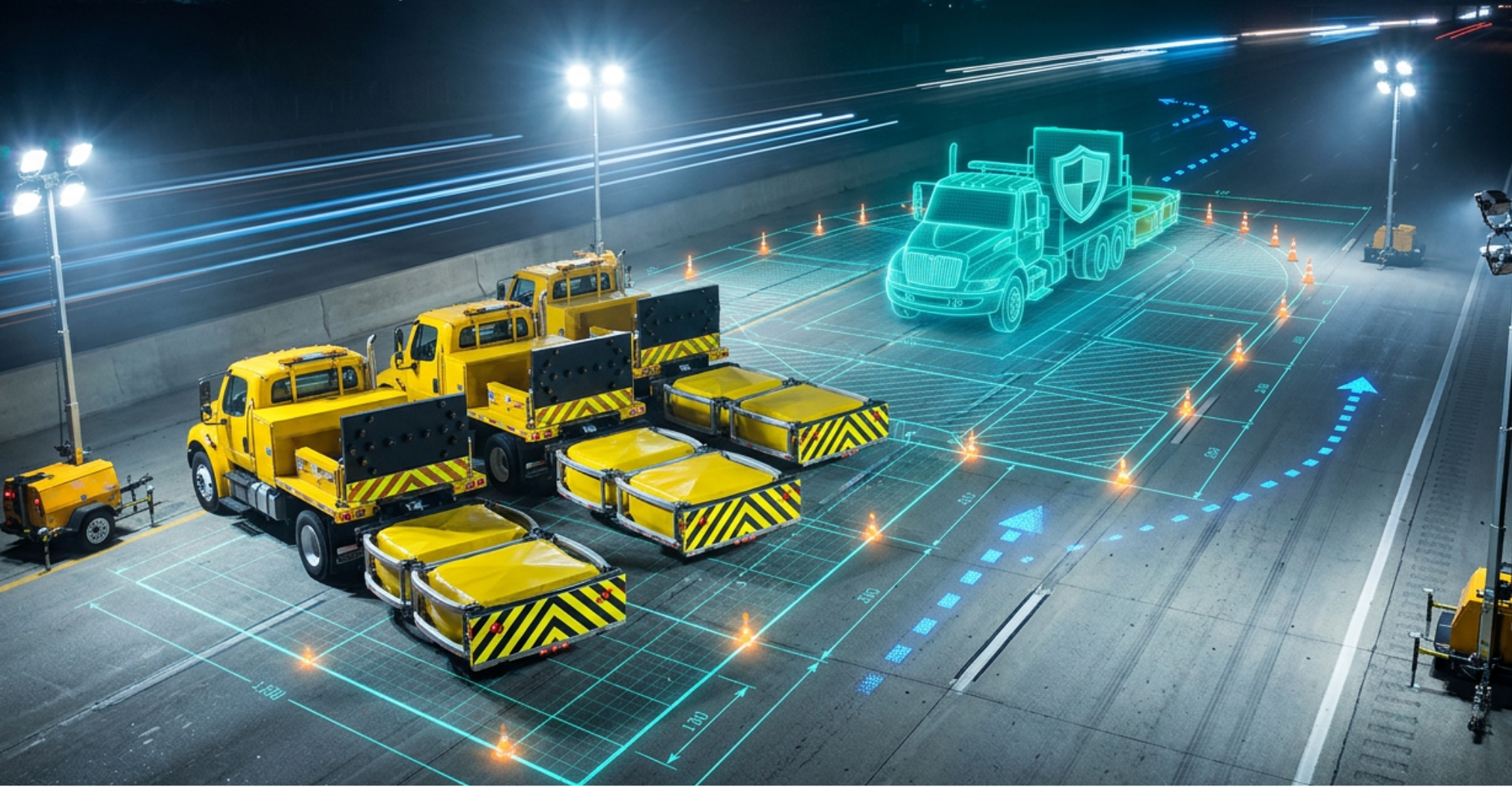
TMA attenuator crash trucks are your ultimate physical barrier against disaster. These trucks are equipped with massive crash cushions designed to absorb high-speed impacts.
Park your TMA truck directly behind your active crew. If a distracted driver breaches your cone line, the TMA truck takes the hit instead of your workers.
Investing in a high-quality TMA truck is the smartest financial decision you will ever make. It literally saves lives and prevents catastrophic lawsuits that could bankrupt your business.
Utilizing Scissor Lift Trucks for Overhead Safety
Not all highway work happens directly on the asphalt. Sometimes your crew needs to repair overhead signs, bridge structures, or traffic signals.
Scissor lift trucks provide a stable, elevated platform for this type of dangerous work. They are infinitely safer than using massive ladders near live traffic.
When deploying a scissor lift truck, you must ensure the ground is completely level. You also need to create a wide safety buffer around the truck’s base.
This prevents passing commercial vehicles from clipping the lift and causing a fatal tip-over. Proper lift truck placement is non-negotiable for overhead safety.
Managing Traffic Flow with Arrow Boards
Arrow boards provide continuous directional guidance through your work zone. They reinforce the message your warning trucks send.
Mount arrow boards on the back of your TMA trucks and cone trucks. The bright, flashing arrows tell drivers exactly which lane is safe to use.
Set your arrow boards to the right brightness for the time of day. Blinding drivers at night is just as dangerous as having no lights at all.
Consistent, clear directional lighting keeps traffic moving smoothly. It prevents the sudden stops and starts that lead to rear-end collisions in the transition area.
Protecting Your Moving Operations
Some maintenance jobs, like line painting or pothole patching, do not stay in one place. These mobile operations require a completely different approach to truck deployment.
You need a rolling roadblock to protect your crew as they move down the highway. This involves a coordinated convoy of safety trucks moving at the same speed.
Your TMA truck must follow the maintenance vehicle closely at all times. Meanwhile, your message board truck stays farther back to warn approaching traffic of the slow-moving convoy.
Communication between your truck drivers is absolutely vital during mobile operations. They must use two-way radios to maintain perfect spacing and react to sudden traffic changes.
Training Your Crew on Truck Placement
The best fleet trucks in the world mean nothing if your crew doesn’t know how to use them. Human error is the biggest risk factor in any work zone.
Implement strict standard operating procedures for truck deployment. Every worker must know exactly where each vehicle belongs before they arrive on site.
Conduct regular safety drills to practice setting up and tearing down work zones. This builds muscle memory and ensures your team works efficiently under pressure.
Never let an untrained employee drive a specialized safety vehicle. Proper training is the foundation of a truly safe and professional work culture.
Maintaining Your Safety Fleet
Equipment failure in the middle of an active highway is a literal nightmare. Your safety trucks must be fully operational at all times.
You need a rigorous preventative maintenance schedule for every vehicle in your fleet. Check the brakes, tires, and warning lights before every single shift.
If a TMA truck has a mechanical issue, you cannot use it to protect your crew. Pull it off the road immediately and have a certified mechanic repair it.
Reliable equipment underpins your business reputation. Keeping your trucks in top condition shows clients you take safety seriously.
Navigating Strict Highway Regulations
Traffic control is heavily monitored by state and federal transportation departments. You cannot just make up your own rules for work zone layouts.
You must strictly follow the Manual on Uniform Traffic Control Devices for every project. This manual dictates the exact spacing, signage, and truck placement required for compliance.
Failing to follow these regulations will result in massive fines and project shutdowns. It can also expose you to severe legal liability if an accident occurs on your site.
Stay up to date on the latest safety guidelines and ensure your fleet meets current standards. Compliance is the only way to protect your business from unnecessary government penalties.
Building Trust with Local Clients
When you prioritize safety, people notice. Project managers want to hire contractors who run clean, professional, and highly secure operations.
Arriving on site with a fleet of well-maintained, specialized safety trucks builds instant credibility. It proves that you are a legitimate business owner who invests in quality infrastructure.
This level of professionalism allows you to command premium pricing for your services. Clients will always pay more for peace of mind and guaranteed safety.
Your fleet is your biggest marketing asset. Use it to show your community that you are the most reliable contractor in the region.
The Financial Impact of Proper Planning
Some business owners try to cut corners by using fewer trucks or skipping the TMA vehicle. This major financial mistake can destroy their company.
The cost of renting or buying the right safety trucks is tiny compared to a catastrophic accident. A single highway collision can result in millions of dollars in damages.
Proper work zone planning lowers your insurance premiums and protects your profit margins. It is a proactive investment that pays massive dividends over the life of your business.
Don’t gamble with your company’s future. Spend the money on the right trucks and secure your work zones properly every single time.
Upgrading Your Fleet for the Future
The traffic safety industry is constantly evolving with new technology. Keep your fleet updated to stay ahead of the competition.
Look for trucks with advanced radar systems, automated cone deployment, and improved crash cushion designs. These innovations make your work zones even safer and more efficient.
Plan your vehicle upgrades carefully to maintain steady cash flow. Reinvesting your profits into better equipment is the smartest way to scale your local business.
A modern, high-tech fleet shows you are a forward-thinking business owner. It attracts better clients and helps you dominate your local market.
Partnering with Reliable Suppliers
You cannot build a top-tier safety fleet entirely on your own. You need strong relationships with reliable truck dealers and equipment suppliers.
Find a local vendor who understands the unique demands of highway safety operations. They can help you source the exact vehicles you need for your specific projects.
A good supplier will also provide fast repairs and replacement parts when things break down. This minimizes your downtime and keeps your crew working safely.
Treat your suppliers like true business partners. Their expertise is invaluable when you plan complex work zones and expand your fleet.
FAQs: Planning Safe Work Zones with the Right Trucks
What truck is most important for work zone safety?
The TMA attenuator crash truck is absolutely the most important vehicle in any active work zone. It serves as a massive physical shield that absorbs high-speed impacts, directly protecting your crew from distracted or reckless drivers who breach the safety perimeter.
How far in advance should I place my message board truck?
Place your message board truck far enough upstream to give drivers ample time to read the message and react safely. The exact distance depends on the highway’s speed limit, but you typically place it half a mile to a full mile before the lane transition begins.
Why do I need a specialized cone truck instead of a regular pickup?
A specialized cone truck is designed with low riding platforms and built-in safety harnesses that protect your workers while they are in motion. Dropping cones from a standard pickup truck forces your crew to lean out dangerously or walk in live traffic, which is a massive safety violation and incredibly risky.
Taking Pride in Your Operations
At the end of the day, running a safe work zone is about taking pride in your work. It is about knowing that you did everything possible to protect your people.
When you drive past a perfectly executed lane closure, you should feel a massive sense of accomplishment. You are actively making your local roads safer for everyone. Keep pushing your team to maintain the highest possible safety standards. Never settle for “good enough” when human lives are on the line.
Connect with SPA Safety Systems, and with the right trucks and a solid plan, you can tackle any highway project with total confidence. Stay safe out there and keep growing your business the right way.