Police departments have a staffing problem and a visibility problem at the same time. Residents want a presence on the street where speeding happens. Event organizers want help moving traffic. And there are only so many officers on a shift.
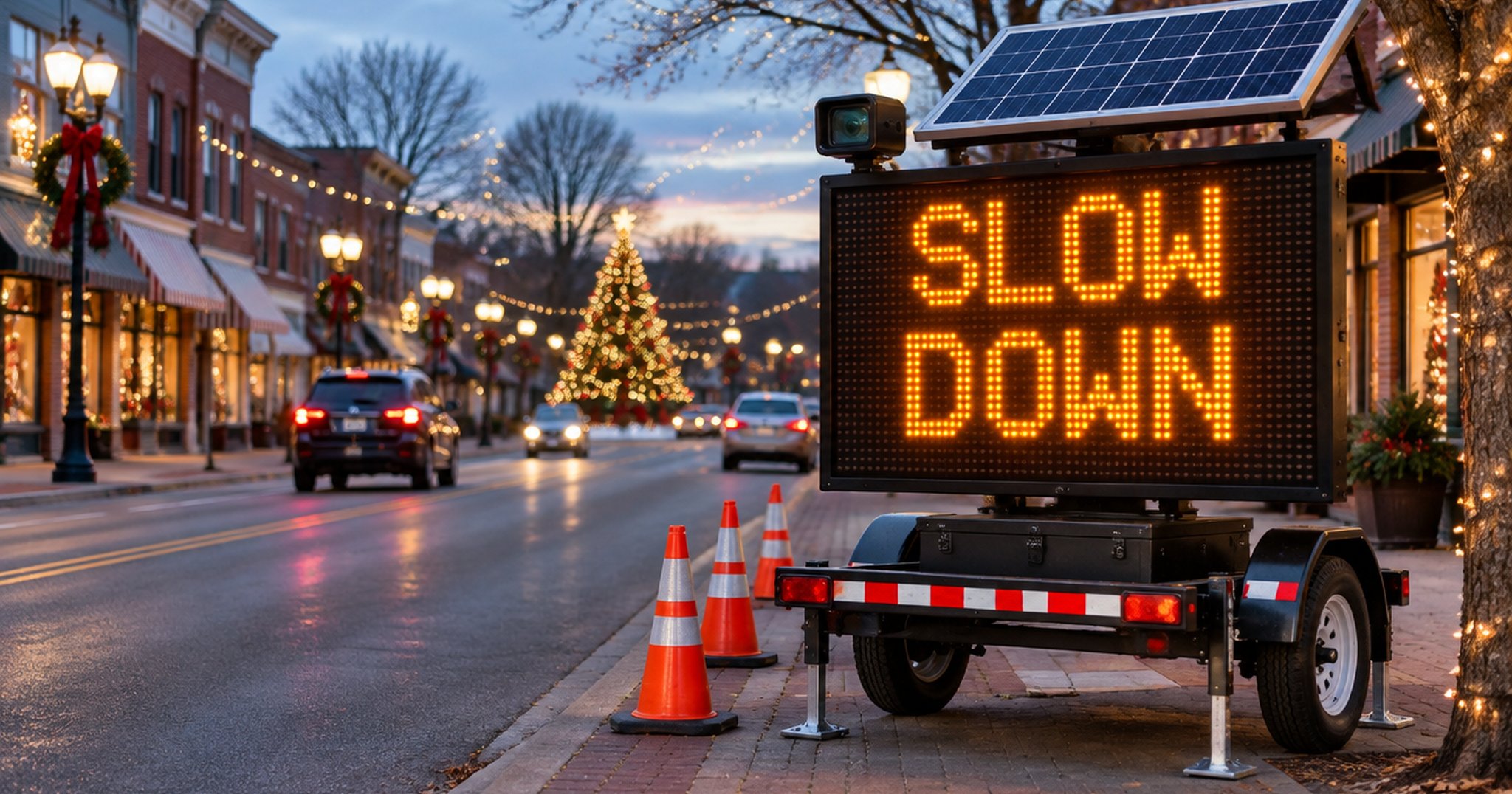
A community policing trailer helps with both. It’s a solar-powered message board on a trailer that a department can park, program and leave on the street to talk to drivers around the clock. Some units add a speed radar so drivers see exactly how fast they’re going.
With the holiday season bringing parades, tree lightings, shopping traffic and impaired-driving enforcement campaigns, this is when these trailers earn their keep. Here’s how departments use them, what features matter, and the rules that apply to what you put on the screen.
What Is a Community Policing Trailer?
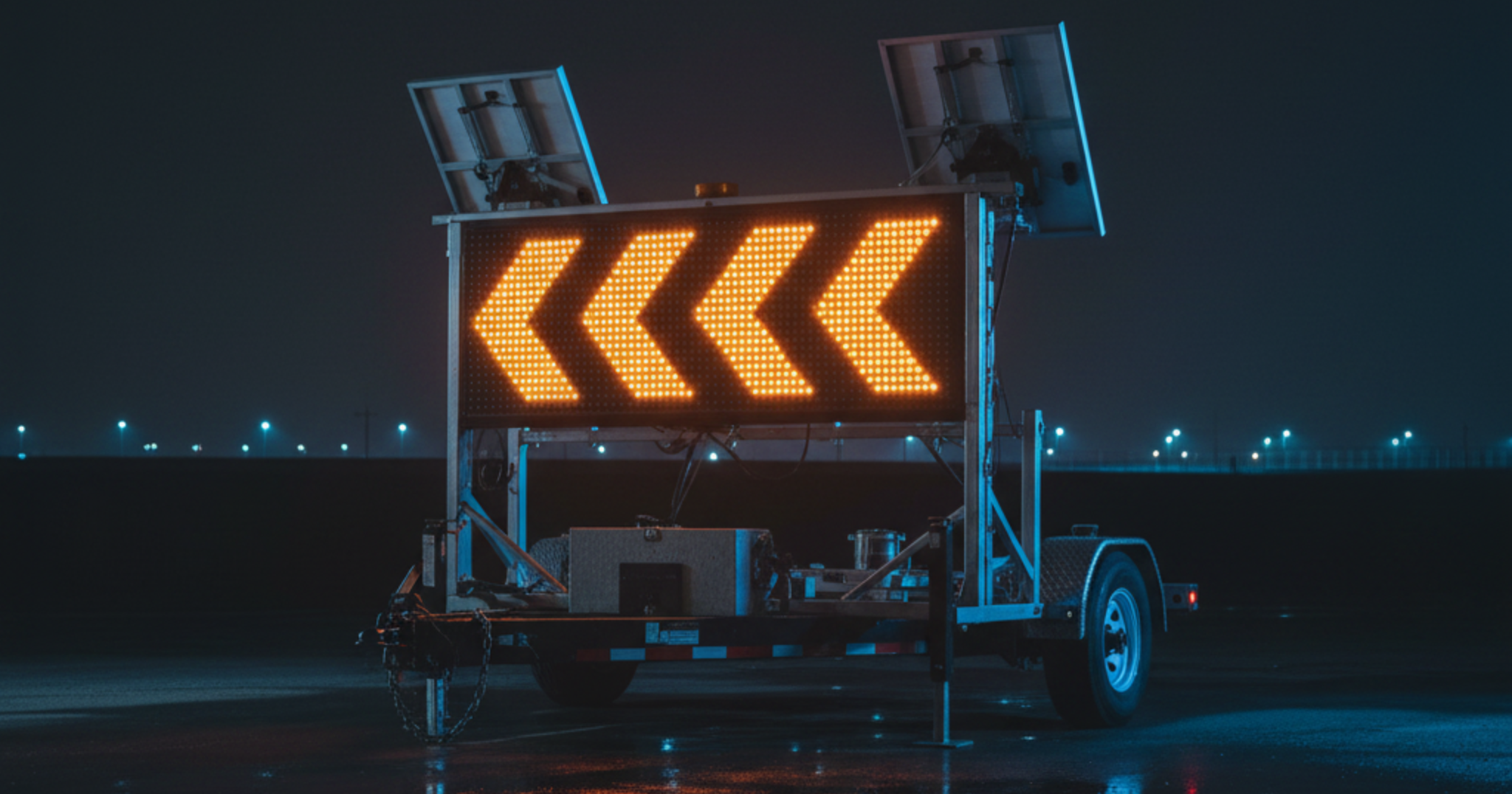
A community policing trailer is a portable changeable message sign (PCMS) set up for law enforcement and municipal use. The core pieces are:
- A large LED message panel that can display text and simple graphics
- Solar panels and batteries so it runs for long stretches without a generator
- A control console to write and schedule messages
- Optional add-ons like radar speed detection and remote cellular control
The same trailer can be a speed awareness tool on Monday, a detour sign for a Saturday parade and an incident warning sign on Sunday night. That flexibility is why many departments, public works offices and county agencies share them.
7 Ways Police Departments Use Message Board Trailers
1. Speed awareness on problem streets
This is the most common use. A trailer with radar shows approaching drivers their speed next to the posted limit. It’s useful on streets where residents complain about speeding but full-time patrol isn’t practical, like school zones, residential cut-throughs and the stretch just past a highway off-ramp.
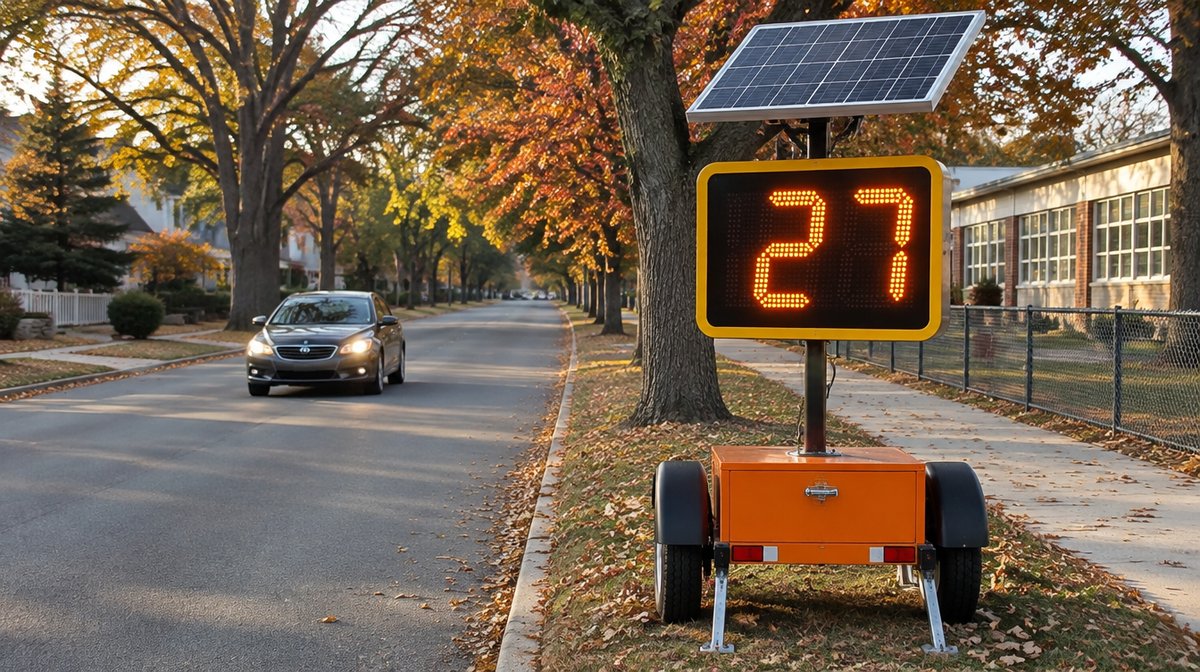
Departments often deploy the trailer for a few days, then move it, so drivers don’t tune it out.
2. Holiday events, parades and tree lightings
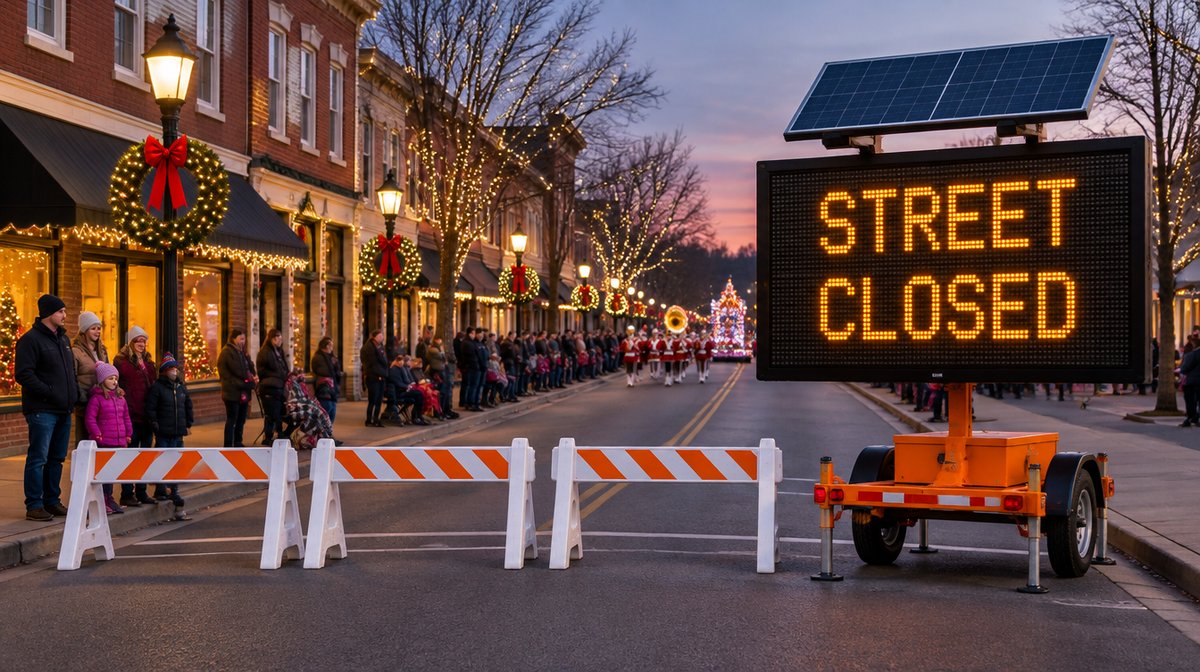
Community events bring road closures, detours and parking restrictions. A message board placed a few days ahead (“MAIN ST CLOSED / SAT 4-9PM / USE ELM ST”) gives residents time to plan, and the same board on event day guides drivers around the closure. Our post on when to use message boards for traffic control covers event setups in more detail.
3. Impaired-driving enforcement periods
The holiday season is one of the busiest stretches of the year for impaired-driving enforcement, and NHTSA runs its national “Drive Sober or Get Pulled Over” campaign around the holidays. Departments can use message boards to reinforce enforcement and safety messaging where it fits local policy and the applicable sign rules (see the section on rules below).
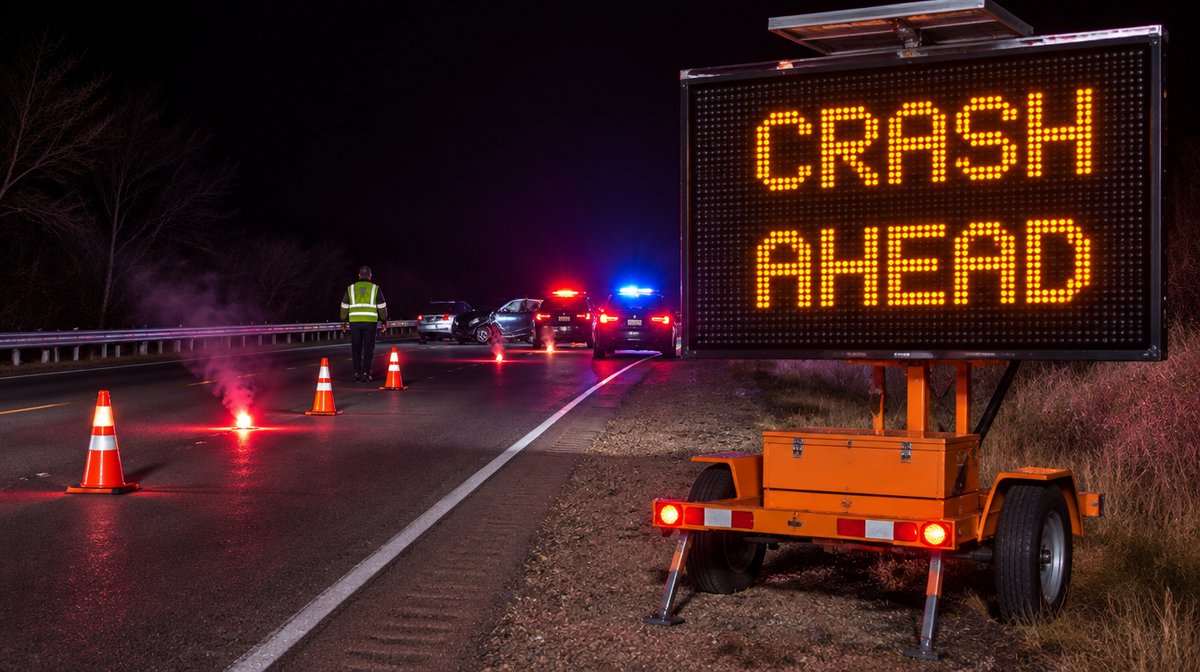
4. Crash and incident scenes
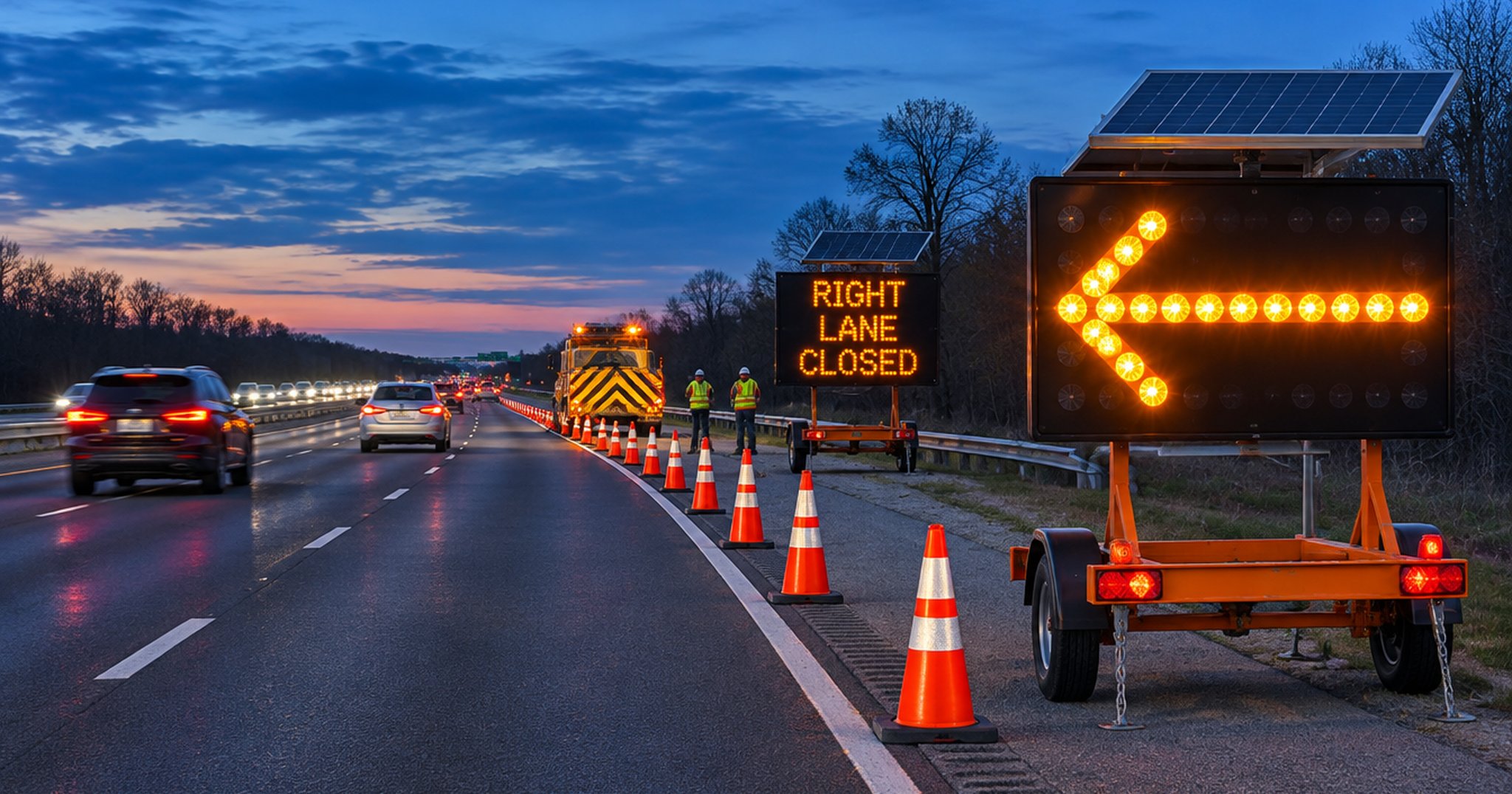
When a crash closes a lane or a road, a message board placed upstream warns drivers before they reach the scene. That reduces secondary crashes and protects officers and responders working on the roadside. The MUTCD lists “crash or incident management” among typical PCMS applications.
5. Weather and emergency conditions
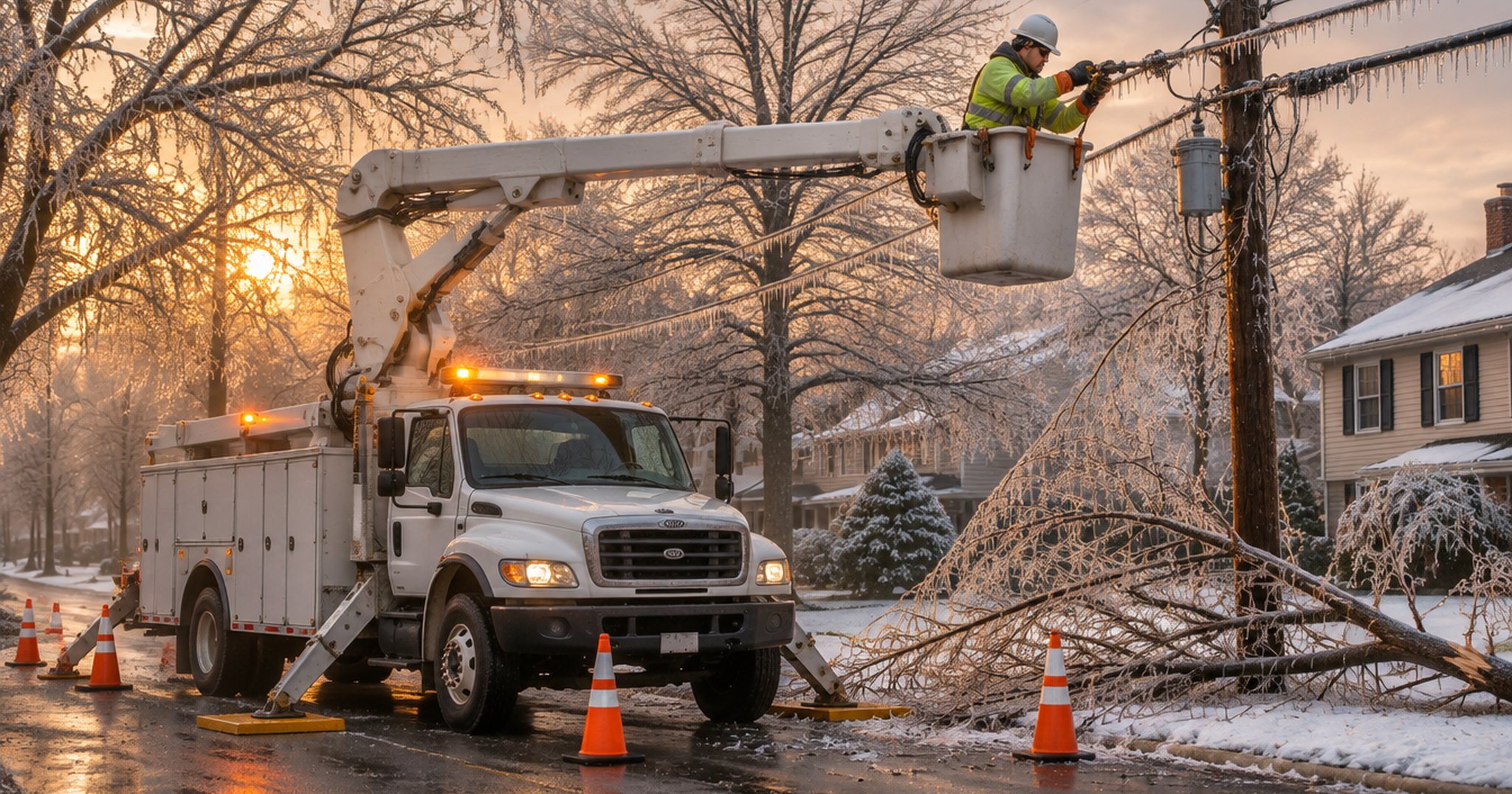
Flooding, downed trees, ice storms and power outages at signalized intersections all create conditions drivers don’t expect. A remotely controlled board can be updated from the station as the situation changes, without sending an officer back out.
6. Construction and utility work in town
When a water main break or a utility project closes part of a street, the police department is often the first call. Having a trailer ready means the department can warn drivers right away while public works or the contractor sets up the full work zone.
7. Community outreach
Many departments also use the trailer at community events like National Night Out, school safety days and open houses as a visible symbol of the department’s presence. Parked at an event, it’s a conversation starter about traffic safety.
Features That Matter for Police Use
Not every message board is a good fit for law enforcement. Look for:
Full-matrix display
A full-matrix panel lets the whole face of the sign work as one display, so you can show larger text, symbols or a speed readout instead of being locked into fixed character blocks.
Radar speed detection
For speed awareness programs, radar is the feature that makes the trailer work. Drivers respond to seeing their own speed.
Remote cellular control
Being able to change messages from the station saves officer time. It also matters for incidents and weather, where conditions change faster than anyone can drive out to the trailer.
GPS tracking
Trailers get moved a lot, sometimes by different divisions. GPS tells you where every unit is and helps if one is ever stolen or moved without authorization.
Solar power with battery backup
Solar charging keeps the trailer running for long deployments without fuel or noise. The MUTCD requires portable message signs to have a power source with battery backup for continuous operation, and to keep their message memory when power is unavailable.
Easy-to-use controls
Officers rotate. A clear touch-screen console with icons and a message library means anyone on shift can program the sign correctly without a manual.
The Rules for What You Put on the Screen
Message boards on public roads are traffic control devices, and the federal Manual on Uniform Traffic Control Devices (MUTCD, 11th Edition) sets rules for them. Your state may add its own. A few that matter most for police use:
Traffic information only, no advertising
The MUTCD says portable changeable message signs “shall display only traffic operational, regulatory, warning, and guidance information, and shall not be used for advertising messages” (Section 6L.05). That rules out event sponsor names and promotional messages.
Keep it short
The MUTCD’s guidance for PCMS messages:
- Three lines of eight characters per line, or a full matrix display
- No more than two phases (screens)
- Each phase readable on its own, in either order
- Letters at least 18 inches tall in most cases. Shorter letters are allowed on low-speed streets if the message is legible from at least 650 feet.
- No scrolling, animation, flashing or other dynamic effects
A good message covers the problem, where it is and what to do. Example:
Phase 1: PARADE / MAIN ST / SAT 4PM
Phase 2: USE / ELM ST / DETOUR
Speed displays
The MUTCD has separate provisions (Section 2B.21) for signs that display the speed of approaching drivers. If your trailer has radar, set it up to show speed in a way that’s consistent with those provisions and your state’s rules.
Placement
The MUTCD says portable message signs should be placed off the shoulder and behind barrier where practicable, or outside the clear zone. If the trailer has to sit on the shoulder or in the clear zone, delineate it with retroreflective devices. When a board isn’t displaying a message, move it out of the clear zone or turn it away from traffic.
Rent or Buy?
Renting works well for departments that need extra boards for a specific event season, a construction detour or a pilot speed program before committing budget.
Buying makes sense when the trailer will be deployed most weeks of the year. Many departments buy one or two units for ongoing speed awareness and rent extras for big events.
How SPA Safety Systems Helps
SPA Safety Systems rents and sells solar-powered message boards and community policing trailers featuring SolarTech’s Silent Messenger line. Every arrow board and message board we supply comes with GPS tracking and cellular control.
Message board features include:
- 10.4-inch LCD touch-screen console that’s waterproof, backlit, icon-driven and multi-lingual
- Full-matrix display with panels that work together to show one large message
- Multi-color LED indicators for battery level, solar charger status and lamp intensity
- Integral solar charge controller that’s fully automatic and temperature compensated
- Optional radar for speed detection and wireless cellular control for remote operation
- 5-year bumper-to-bumper warranty on SolarTech message boards
Need directional control too? Pair a message board with a solar arrow board for detours and lane closures. Our post on arrow boards vs. message boards explains when you need each.
Call (973) 347-1101 or request a quote to rent or buy a community policing trailer before the holiday event season.
FAQs: Community Policing Trailers
1. What is a community policing trailer?
A community policing trailer is a solar-powered portable message board on a trailer, used by police departments and municipalities to display traffic and safety messages. Many units include radar speed detection, remote cellular control and GPS tracking.
2. Can a police message board trailer display advertising or event sponsors?
No. Under the MUTCD 11th Edition, portable changeable message signs may display only traffic operational, regulatory, warning and guidance information and must not be used for advertising messages.
3. How long can a solar message board trailer run?
Solar message boards charge their batteries from the sun and are designed for long deployments without a generator. Run time depends on the message, brightness, weather and battery condition. The MUTCD also requires a battery backup so the sign keeps working if the primary power source fails.
4. Do speed radar trailers actually slow drivers down?
Seeing their own speed displayed next to the posted limit prompts many drivers to slow down, which is why departments use them on streets with speeding complaints. Moving the trailer every few days helps keep drivers from tuning it out.
5. Should a police department rent or buy a message board trailer?
Buy if the trailer will be in use most weeks of the year, such as for an ongoing speed awareness program. Rent for event seasons, construction detours or short pilot programs. Many departments own one or two units and rent extras for large events.