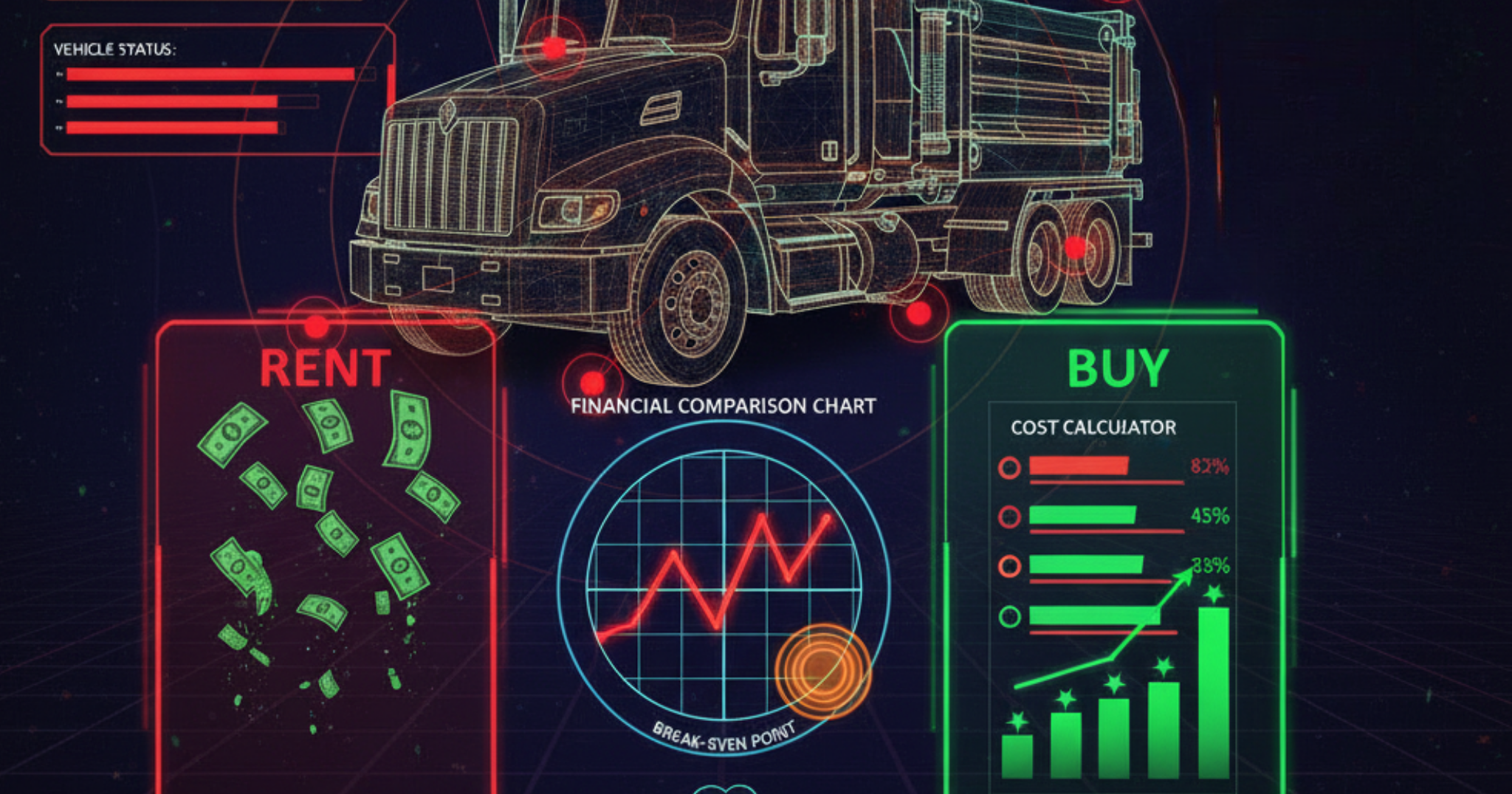
Last month, I sat down with a contractor who’d been in business for twelve years doing highway work across three states. Good reputation, steady work, experienced crews. He showed me his equipment rental invoices from the previous year and nearly fell out of his chair when we added them up. $147,000 just for TMA trucks and related safety equipment rentals. Not total project costs – just rentals. We did the math on buying vs. renting, showing what it would have cost him to own that equipment instead. Even after accounting for the purchase price, insurance, maintenance, storage, and everything else, he would have saved roughly $65,000 that year. One year. He’d been doing this for over a decade, which meant he’d probably flushed somewhere north of half a million dollars down the rental drain when he could have owned the equipment outright after year two.
Here’s the thing, though – I’ve also seen contractors rush out and buy equipment when they absolutely should have kept renting. They tie up capital in trucks that sit idle half the year, discover maintenance costs they weren’t prepared for, and end up in worse financial shape than if they’d just paid rental fees.
The rental-versus-purchase decision for highway safety equipment isn’t straightforward. There’s no universal answer that works for every contractor. But there are clear patterns in who benefits from owning versus renting, and most mid-size contractors fall squarely into the category where ownership makes overwhelming financial sense – yet they keep renting anyway because nobody’s done the actual math, or they’re afraid of the upfront investment.
I’m going to walk you through the real costs of both approaches, show you exactly when buying pays off, explain the hidden expenses that sabotage the economics of renting, and give you a framework for making this decision based on your actual situation rather than on gut feeling or industry assumptions.
The Rental Trap: How Those “Reasonable” Daily Rates Add Up
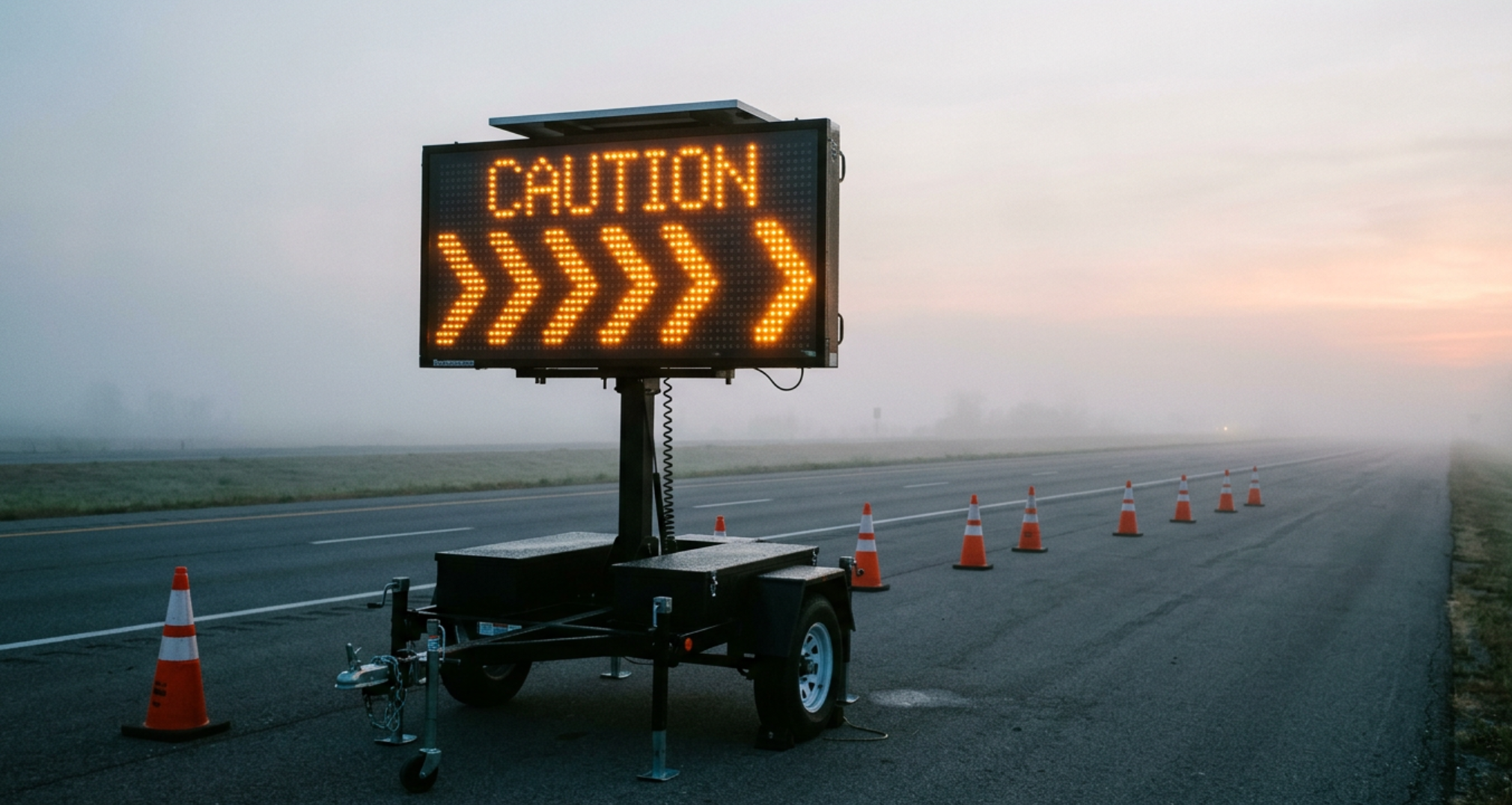
Rental rates for highway safety equipment look reasonable when quoted per day. A TMA attenuator truck might be rented for $450- $650 per day, depending on the market and equipment specifications. That doesn’t sound wild when you’re bidding on a project. You factor it into your costs, mark it up appropriately, pass it through to the client, and move on.
The problem shows up when you start tracking annual utilization. Most mid-size highway contractors doing steady traffic control work have equipment on rent for 150-250 days per year across their various projects. Let’s use 180 days as a reasonable middle estimate for a contractor running consistent highway work.
At an average rental rate of $500 per day, that’s $90,000 per year for one TMA truck. If you need two trucks to handle simultaneous projects or larger jobs, you’re at $180,000 annually. Add in cone trucks, arrow boards, message signs, and other safety equipment rentals, and you can easily hit $200,000-$300,000 in annual rental expenses for a mid-size operation.
Now here’s where it gets painful. Those rental costs are pure expenses. You’re paying for the privilege of using someone else’s equipment. At the end of the year, you have nothing to show for that $90,000 except completed projects. The equipment goes back to the rental company. You start the next year from zero, needing to rent equipment all over again at rates that typically increase 3-5% annually.
Compare buying vs renting. A quality used TMA truck in good condition runs $60,000-$85,000. A new one costs $100,000-$150,000, depending on specifications and features. Even at the high end, you’re looking at less than two years of rental costs. After that initial investment, your per-day cost of ownership drops dramatically to just maintenance, insurance, and depreciation.
The Hidden Rental Costs Nobody Talks About
The daily rental rate is just the beginning. Rental agreements come with a bunch of additional costs that don’t show up in the advertised price but absolutely show up on your invoice.
Delivery and pickup fees are standard. Depending on the distance, you might pay $200- $500 each way to transport equipment to and from your project site. That’s $400-$1,000 per rental period that doesn’t show up in the “daily rate” marketing. For a contractor running multiple projects, these transportation fees add up to thousands of dollars annually.
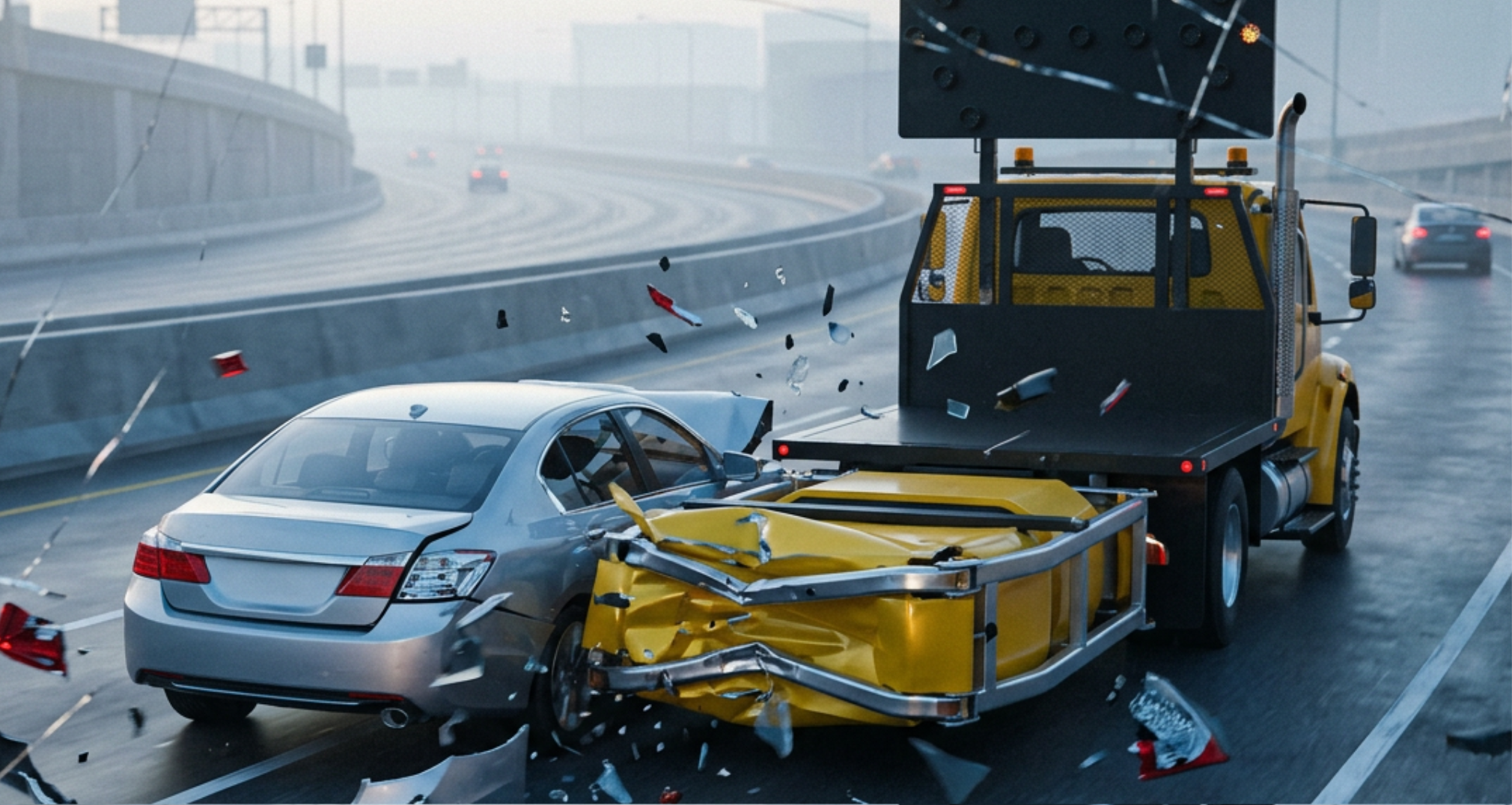
Damage waivers and insurance are usually optional but recommended. If you decline coverage and something happens to the equipment, you’re liable for repair costs or replacement value. If you take the coverage, add 10-15% to your daily rate. Most contractors take the coverage because the risk of a $50,000+ loss from a damaged attenuator system isn’t worth gambling on.
Minimum rental periods mean you often pay for more days than you actually need. A project that really needs equipment for 8 days gets billed for a full week plus the partial second week, which might get rounded up to two weeks, depending on the rental agreement terms. You end up paying for equipment that sits idle while you wait for your project schedule.
When Renting Actually Makes Sense
Understanding when to rent versus buy requires an honest assessment of your business situation.
Low-utilization operations should be rented. If you do highway work occasionally – maybe 30-50 days per year – the economics of ownership don’t work. You’re not using the equipment enough to justify the fixed costs of ownership. Your rental costs might be $15,000-$25,000 annually, which is less than the annual ownership costs after accounting for depreciation. The breakeven point on utilization is typically around 80-100 days per year. Below that threshold, renting makes sense.
Businesses in growth or transition phases often benefit from rental flexibility. If you’re not sure what your work volume will look like next year, committing to equipment purchases is risky. Rental lets you scale up or down based on actual project demand without being stuck with underutilized assets.
Specialized equipment for occasional use should be rented. Maybe you need a hi-rail truck for one project per year, or specialized lift equipment for a unique situation. If equipment is truly occasional use rather than regular need, renting gives you access without the burden of owning something that sits idle 90% of the time.
Testing equipment before purchase makes sense. If you’re considering moving into new types of work or you’re unsure which equipment specifications work best for your operations, renting different models lets you figure out what you actually need before committing to a purchase.
Cash flow constraints during startup or after major investments may necessitate renting. If you’ve just invested heavily in other equipment or you’re managing cash flow carefully during business growth, rental preserves working capital even if the long-term economics favor ownership.
The key is being honest about which category you actually fall into versus which one you tell yourself you’re in. A lot of contractors claim they’re in a “growth phase” or have “uncertain utilization” when really they’ve been running the same volume of highway work for years and just haven’t wanted to commit to equipment purchases.
Equipment You Should Probably Own
Based on typical utilization patterns for mid-size highway contractors, certain equipment categories almost always make sense to own rather than rent:
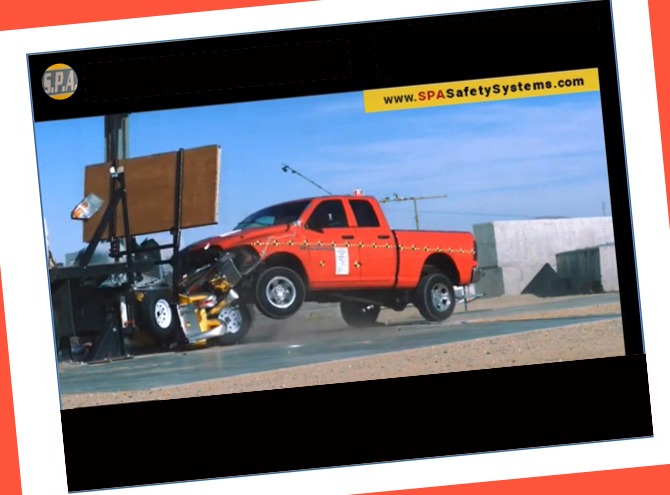
TMA attenuator trucks are the big ones. If you do regular highway work requiring traffic protection, you’re using these constantly. The rental costs are high, and utilization is high, creating ideal conditions for ownership to pay off quickly. SPA Safety Systems offers both sales and rentals of attenuator trucks, and their sales team can walk you through the economics for your specific situation.
Cone trucks make sense to own once you’re past the startup phase. These are workhorses that you’ll use on virtually every highway project. Rental rates aren’t as high as TMA trucks, but utilization is often higher, and the purchase price is more manageable. Most contractors should own at least one cone truck once their annual highway work exceeds about $500,000.
Arrow boards and message signs are relatively inexpensive to purchase, and rental costs add up quickly. A portable arrow board costs $3,000-$6,000 to buy and might rent for $75-$150 per day. If you’re using arrow boards 100+ days per year, you’d pay for the purchase in less than a year. These should almost always be owned rather than rented.
Standard pickup trucks and support vehicles used for traffic control should be owned. The rental costs for pickup trucks are substantial, and you can buy serviceable used trucks for reasonable prices. Rental makes sense for very specialized vehicles or extremely short-term needs, but your everyday work trucks should be part of your fleet.
Equipment You Might Want to Keep Renting
Specialized lift equipment that you use occasionally doesn’t justify ownership. If you need a 41-foot bucket truck twice a year, renting it for those specific jobs makes way more sense than owning one that sits idle 98% of the time. Similarly, scissor lift trucks are great to own if you use them regularly, but for occasional use, rental is preferable.
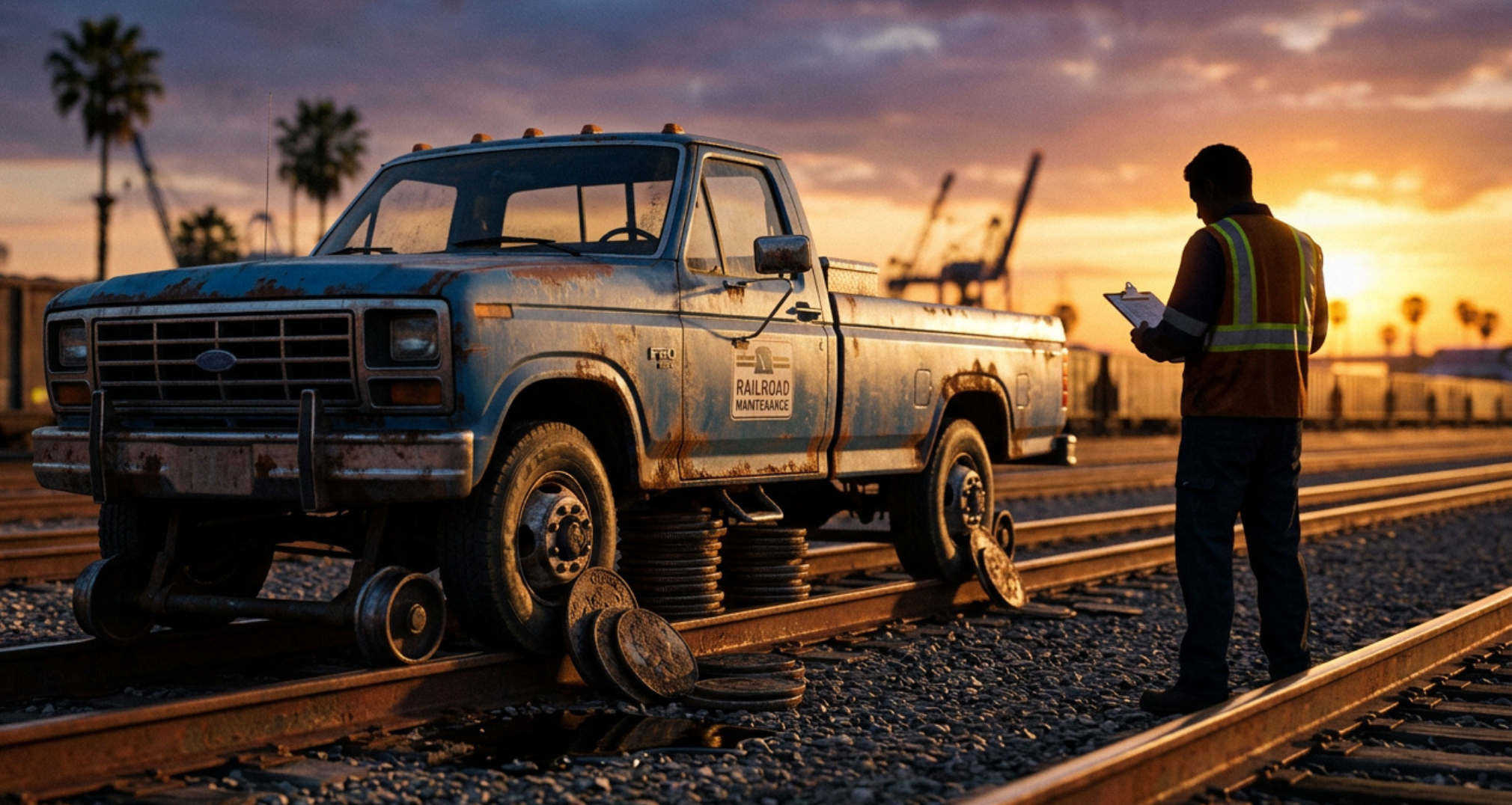
Hi-rail trucks fall into the occasional-use category for most highway contractors. Unless you’re doing substantial railroad work, a hi-rail truck rental for the few times per year you need rail access makes more sense than ownership.
Backup or overflow capacity during peak periods should come from rental. Own enough equipment to handle your normal workload, but rent additional units when you have multiple simultaneous projects or unusually large jobs.
The newest technology or experimental equipment might warrant renting until you know it works for your operation. If you want to test out newer attenuator designs or different truck configurations, renting first lets you validate the equipment before committing to purchase.
Financing Options That Make Buying More Accessible
One of the biggest barriers to equipment ownership is the upfront capital requirement. Contractors look at a $120,000 purchase price and think they can’t afford it, even when rental costs over 18 months would exceed that amount.
Equipment financing exists specifically to solve this problem. You can finance highway safety equipment purchases through various channels:
Manufacturer financing is sometimes available through companies that manufacture TMA trucks and safety equipment. Terms vary but often include competitive rates for qualified buyers.
Equipment leasing gives you the benefits of ownership (using the equipment whenever you want, building equity, eventual ownership) while spreading payments over time. Lease terms typically run 3-5 years, with either purchase options or automatic ownership at the end of the lease.
Maintenance Reality: It’s Not as Scary as You Think
A lot of contractors resist buying equipment because they’re worried about maintenance costs and hassles. “If I rent, that’s all the rental company’s problem” is the thinking. “If I own it, I’m stuck dealing with repairs and downtime.”
There’s some truth to this, but it’s way overblown as a concern. Modern highway safety trucks are relatively reliable if you maintain them properly. The maintenance requirements aren’t mysterious or overwhelming. Here’s what actual ownership maintenance looks like:
Routine servicing follows standard commercial vehicle intervals. Oil changes, fluid checks, filter replacements, and basic mechanical maintenance happen every 3,000-5,000 miles or annually, whichever comes first. This is straightforward work any commercial truck mechanic can handle. The cost is typically $300- $ 500 per service.
TMA-specific maintenance includes inspecting attenuator systems, checking hydraulics, verifying arrow board function, and maintaining warning lights. SPA Safety Systems provides parts and repair services for these specialized systems, so you don’t need in-house expertise. Schedule this work annually or per manufacturer recommendations. Budget $1,000-2,000 annually for attenuator-specific maintenance.
Brake work is probably the highest-cost recurring maintenance item. Expect to do brake work every 2-3 years, depending on use. Cost runs $1,500-$3,000, depending on how much needs replacing. This is less frequent than you’d think because TMA trucks typically don’t drive long distances – most miles are positioning to and from job sites.
Add it all up, and you’re looking at $5,000-7,000 in annual maintenance for a well-maintained TMA truck. That’s real money, but it’s way less than the $65,000-85,000 annual premium you pay by renting instead of owning.
The Tax Advantages of Equipment Ownership
Bonus depreciation provides additional first-year deductions for new equipment purchases. This can be combined with Section 179 to maximize tax benefits.
Standard depreciation over the equipment’s useful life provides ongoing tax deductions even if you don’t take Section 179 expensing. Highway safety trucks typically depreciate over 5-7 years for tax purposes.
Interest deduction on equipment financing is fully deductible as a business expense, reducing the effective cost of financing.
Compare this to rental, where you deduct the rental expense but build zero equity and get no depreciation benefits. The tax treatment of ownership is substantially more favorable than rental.
Working with the Right Equipment Provider
Whether you’re buying or renting, working with a provider that understands the needs of highway contractors makes a huge difference. SPA Safety Systems operates from a 19,200-square-foot facility in Flanders, New Jersey, and handles both sales and rentals of highway safety equipment, as well as maintenance, repairs, and custom fabrication.
What matters in an equipment provider:
Sales support that helps you make smart decisions, not just push product. You want someone who’ll run the numbers with you and help determine whether buying or renting makes sense for your specific situation.
Rental options for when you need them. Even if you own most of your equipment, you’ll occasionally need rental capacity. Working with a provider who does both sales and rentals gives you flexibility.
Service and maintenance capabilities. Buying equipment from a provider who can also service and repair it simplifies your life. SPA’s parts and repair services mean you’re not hunting for qualified technicians who understand TMA-specific systems.
Responsive communication and support. Highway projects don’t wait for business hours. You need providers who answer the phone and quickly resolve problems.
FAQs: Buying vs Renting
What’s the minimum annual utilization where buying highway safety equipment makes more financial sense than renting?
The breakeven utilization point, where equipment ownership becomes more cost-effective than rental, typically falls between 80 and 120 days per year for TMA trucks and similar highway safety equipment. However, the exact number depends on specific rental rates, purchase prices, and your operational costs. Here’s how to calculate your specific breakeven: take the total annual cost of ownership (including depreciation, insurance, maintenance, storage, and financing if applicable) and divide by your typical daily rental rate, including all fees. For example, if your total ownership cost is $28,000 per year and your all-in rental cost is $600 per day, your breakeven is 47 days – meaning if you use the equipment more than 47 days annually, buying saves money compared to renting. Most mid-size contractors running consistent highway work easily exceed 100-150 days of annual utilization for core equipment like TMA trucks and cone trucks, putting them well into ownership territory.
How should I handle the maintenance and repair aspects of owned highway safety equipment if I don’t have in-house mechanical capabilities?
You absolutely don’t need in-house mechanics or a full-service shop to own highway safety equipment successfully – most mid-size contractors manage equipment maintenance through a combination of operator inspections, scheduled service with commercial truck shops, and specialized providers for TMA-specific systems. Start by establishing a relationship with a commercial truck maintenance facility that handles your routine servicing, like oil changes, brake work, tire replacement, and general mechanical repairs. These shops are everywhere, and the work is straightforward commercial vehicle maintenance that doesn’t require specialized knowledge.
If I finance highway safety equipment purchases, how does that change the rent-versus-buy financial analysis,s and what should I look for in equipment financing terms?
Equipment financing doesn’t change whether buying makes sense – it just spreads the purchase cost over time and affects your cash flow timing rather than the fundamental economics. When you run your financial analysis with financing included, add the monthly loan payment to your other ownership costs (insurance, maintenance, storage) and compare that total to your monthly rental costs – you’ll typically find that even with financing costs included, total monthly ownership costs are still substantially lower than rental costs for equipment with adequate utilization.
The Contractor Who Fixed His Rental Problem
Remember the contractor from the beginning who was spending $147,000 annually on equipment rentals? Here’s what he did after we ran the numbers.
He financed the purchase of two TMA trucks and one cone truck. Total equipment cost was $245,000, which he financed over five years. His monthly loan payment was around $4,900. Added together, insurance, maintenance, and other ownership costs brought his all-in monthly cost for those three pieces of equipment to about $6,500.
Compare that to his previous rental costs, which averaged $12,250 per month. He immediately started saving $5,750 per month – almost $70,000 annually. That cash flow improvement helped him hire another crew and take on additional projects.
That’s not an unusual outcome. It’s what typically happens when contractors who have adequate utilization finally run the real numbers and commit to equipment ownership.