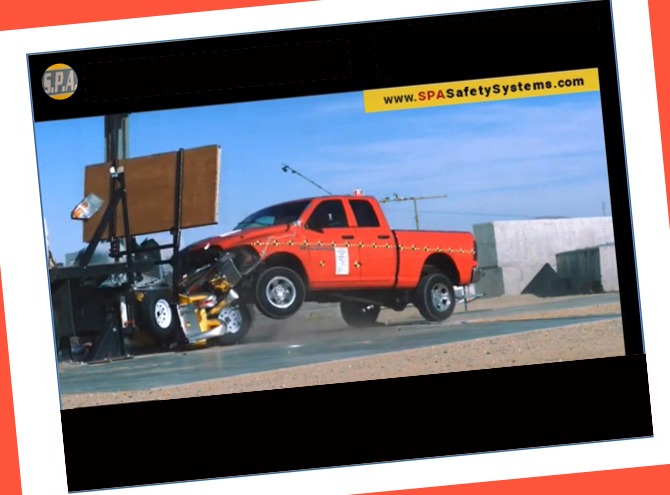
You’re three days into a major highway resurfacing contract. Traffic control is set, crews are working, everything’s running smoothly. Then a DOT inspector pulls up, walks around your TMA truck for ten minutes, and hands your foreman a violation notice that puts the vehicle out of service immediately. Your whole operation grinds to a halt. You’re scrambling to find a replacement truck, burning daylight, watching profit margins evaporate, and explaining to the client why work stopped. Here’s what makes TMA truck DOT violations tricky: the vehicles fall under commercial motor vehicle regulations, just like any semi-truck, but they’ve got specialized safety equipment that adds extra inspection points and opportunities for failure. Your mechanic might be great with standard trucks, but has no clue about proper attenuator maintenance. Your operators might be skilled at positioning the truck, but they never check the specific items DOT cares about. And the inspection standards keep getting stricter while enforcement gets more aggressive.
The seven violations I’m about to walk through account for probably 80% of the out-of-service orders I’ve seen on highway work zones. Some are obvious neglect. Some are weird technicalities. Some problems develop slowly until you suddenly fail inspection. All of them are fixable if you know what inspectors look for and you build the right maintenance and inspection routines.
Let’s get into it, because the best way to handle TMA truck DOT violations is to never get them in the first place.
Violation #1: Brake System Issues – The Inspection Killer
TMA truck DOT violations regarding brakes are far and away the most common reason TMA trucks get red-tagged at inspections. DOT doesn’t mess around with brakes because brake failure kills people. If your brake system is out of spec in any meaningful way, you’re getting an out-of-service order on the spot.
What inspectors are checking:
Air brake systems get scrutinized hard. They’re checking for air leaks that exceed allowable rates – if your truck loses more than 3 PSI per minute with the engine off and brakes released, or more than 4 PSI per minute with brakes applied, you fail. They’re looking at brake adjustment – if your pushrod stroke is beyond the adjustment limit stamped on the brake chamber, that’s an automatic out-of-service violation. They’re examining brake lines for cracks, chafing, or leaks. They’re checking that all brake components are properly secured and that no hardware is missing.
Why TMA trucks fail brake inspections more than regular trucks:
These vehicles sit around a lot. You might run a TMA truck to the job site, park it in position, and let it idle for hours while traffic flows past. That’s a very different use from that of a truck that’s constantly driving and braking. Brake components corrode faster when they’re not being exercised regularly. Automatic slack adjusters can get stuck. Brake chambers develop leaks that you don’t notice because you’re not using the brakes much.
The other issue is weight. TMA trucks are heavy, especially when you’ve got the attenuator system, warning equipment, and whatever else loaded. That weight puts stress on brake components. Add in the fact that when you do drive these trucks, it’s often in stop-and-go traffic control situations where you’re constantly using the brakes, and you’ve got a recipe for accelerated brake wear.
How to avoid brake violations:
You need a more aggressive brake inspection schedule for TMA trucks than you’d use for regular over-the-road trucks. Weekly brake checks should be standard, not monthly. Your mechanics or operators need to physically measure pushrod stroke with the brakes applied and compare it to the stamped limits. If you’re within 1/4 inch of the limit, adjust them – don’t wait until you’re at the limit because that’s when inspectors show up.
Check for air leaks every single time before you deploy the truck. Build the air to maximum pressure, shut off the engine, and watch your gauges. If you’re losing more than 2 PSI per minute, find the leak and fix it before the truck leaves the yard. Most leaks are at fittings and connections that just need tightening, or deteriorated air lines that need replacement.
Keep detailed maintenance records that show your brake inspections and any work performed. When an inspector sees that you’re on top of brake maintenance, they’re less likely to dig deeper looking for problems. When they see no documentation, they assume you’re not maintaining anything, and they inspect more aggressively.
If you’re not comfortable having your operators or shop mechanics do thorough brake inspections, contract it out. It’s way cheaper to pay someone $150-$200 for a professional brake inspection quarterly than it is to have a truck red-tagged in the middle of a project.
Violation #2: Attenuator System Problems – The Specialized Trap
This is where TMA trucks differ from standard commercial vehicles, and it’s where many contractors get burned because their maintenance staff doesn’t understand attenuator-specific requirements. The TMA attenuator crash cushion is life safety equipment. If it’s not functioning properly, the truck isn’t providing the protection it’s supposed to, and DOT will shut you down.
What inspectors check on attenuator systems:
They’re inspecting the attenuator mounting to ensure it’s securely attached to the truck frame, with no cracked welds, missing bolts, or signs of prior impact damage. They’re checking that the attenuator is the correct model and properly certified for the truck’s weight and class. They’re examining the attenuator cartridges or panels for damage, deformation, or improper repairs.
If your attenuator has hydraulic or mechanical deployment systems, they’re checking that those systems function. Can the attenuator extend and retract properly? Are hydraulic lines intact without leaks? Are the controls functional?
They’re also looking for previous crash damage that wasn’t properly repaired. If your attenuator took a hit and you tried to straighten panels or weld things back together without following the manufacturer’s repair procedures and obtaining proper recertification, that’s a violation. Attenuators are designed to crush in specific ways to absorb energy. If you’ve modified or improperly repaired the structure, it won’t perform as designed in a crash.
Why this catches contractors by surprise:
Most shops can work on truck brakes, lights, and standard mechanical systems. Specialized attenuator systems? That requires specific training and often special tools. Contractors assume if the attenuator looks okay and moves up and down, it’s fine. But there are specific requirements for things like hydraulic pressure, panel alignment tolerances, and structural integrity that aren’t obvious to non-specialists.
The other issue is that many contractors don’t realize damaged attenuators need to be properly repaired or replaced, not just bent back into shape. These systems are crash-tested and certified to meet specific impact standards. A backyard repair job doesn’t cut it, even if the truck looks normal afterward.
How to avoid attenuator violations:
First, send your maintenance people to manufacturer training on your specific attenuator systems. Companies that make TMA attenuators offer training courses on inspection, maintenance, and repair procedures. This is money well spent because it prevents expensive mistakes and violations.
Second, follow manufacturer maintenance schedules religiously. Most attenuator systems have specific inspection requirements at certain hours or mileage intervals. These typically include checking hydraulic systems, inspecting structural components, verifying panel alignment, and testing deployment mechanisms. Document everything.
Third, if your attenuator takes a hit – even a minor one – get it professionally inspected before putting it back in service. Don’t assume it’s fine just because it looks okay. Many impact damages aren’t visible on casual inspection but compromise the system’s ability to function properly in a real crash.
SPA Safety Systems offers inspection and repair services for attenuator systems, and having a professional evaluation after any impact is insurance against future violations and liability.
Keep your attenuator certification paperwork with the truck. Inspectors want to see that your attenuator is rated for your truck’s weight and properly certified. Missing paperwork can result in violations even if the attenuator itself is fine.
Violation #3: Lighting and Visibility Equipment Failures
TMA trucks are mobile safety devices. Their entire purpose is to be visible and warn traffic. If your lighting and visibility equipment isn’t working properly, you’re defeating the truck’s primary function, and you’re getting cited.
What inspectors check:
All standard vehicle lighting – headlights, taillights, brake lights, turn signals, clearance lights, and license plate lights – must be functional. That’s basic commercial vehicle stuff. But TMA trucks also have specialized warning lights, arrow boards, message signs, and often additional lighting systems, all of which need to be operational.
Inspectors check that warning lights are the correct color (typically amber for most warning functions), properly mounted, and functioning. They verify that arrow boards or message displays are working and readable. They check light intensity to ensure bulbs aren’t dim or systems aren’t underpowered.
They also check for damaged lenses, corroded connections, and wiring problems. Cracked lenses allow moisture intrusion, leading to bulb failure and electrical issues. Corroded connections cause intermittent operation or complete failure.
Why TMA trucks have more lighting problems:
These trucks run their warning lights for hours or days at a time on job sites. That’s hard on bulbs, ballasts, and electrical systems. A normal truck might run its lights for a few hours of night driving. Your TMA truck is running lights 10-12 hours a day, every day, for weeks on end. Components wear out faster.
Vibration is another issue. TMA trucks often operate on rough highways with deteriorated pavement. Constant vibration works, bulbs loose, cracks lenses, and shakes electrical connections apart. Problems develop gradually, and then suddenly you’ve got multiple lights out.
Water intrusion is surprisingly common. Cracked lenses, improperly sealed connections, and damaged housings let moisture in. Once water enters light assemblies or arrow board electronics, corrosion spreads quickly, leading to failures.
How to avoid lighting violations:
Daily pre-trip inspections need to include checking every single light on the truck. Not just “the lights work” but systematically going through headlights, taillights, turn signals, clearance lights, warning lights, and any auxiliary lighting. Have a checklist and actually walk around the truck to confirm everything works.
Replace bulbs proactively before they burn out completely. If you notice a bulb dimming or flickering, replace it during scheduled maintenance rather than waiting for complete failure. Carry spare bulbs on the truck so operators can replace failed bulbs in the field rather than running with lights out.
Check electrical connections monthly and clean any corrosion you find. Use dielectric grease on connections to prevent corrosion. Replace cracked lenses immediately – they’re cheap compared to the cost of replacing entire light assemblies after water damage.
For arrow boards and message signs, follow the manufacturer maintenance procedures for cleaning displays, checking power supplies, and testing all functions. These systems are complex electronic systems that require more than just “turn it on and see if it lights up.” Test all display modes, verify that the remote controls work, and check that the power cables and connections are in good condition.
Violation #4: Tire Problems – The Obvious One Everyone Misses
You’d think tire violations would be easy to avoid. Just look at the tires, right? But tire violations are shockingly common on TMA trucks, and when inspectors find tire problems, they’re aggressive about putting vehicles out of service because tire failures at highway speeds are so dangerous.
What inspectors check:
Tread depth is the obvious one. Commercial vehicle tires need at least 4/32″ of tread depth on steering axles and 2/32″ on other axles. But inspectors aren’t just eyeballing it – they’re using tread depth gauges and measuring. If you’re at the limit, you’re getting a violation.
They’re looking for cuts, bulges, and exposed cords. Any cut that exposes cord material is an automatic out-of-service violation. Bulges in sidewalls indicate internal damage and structural failure – also immediate out-of-service. They check for mismatched tire sizes or types on the same axle. They verify that tire pressure is within safe ranges (though they usually don’t check pressure unless there’s visible under-inflation).
Inspectors also look at wheels for cracks, damaged lug nuts, and proper mounting. Loose or missing lug nuts are serious violations. Cracked or damaged wheels are out of service.
Why TMA trucks have tire problems:
These trucks spend a lot of time parked on hot asphalt in the sun. UV exposure and heat degrade rubber faster than normal driving conditions do. Tires develop cracks and weather checking that compromise their integrity, even if the tread depth is adequate.
TMA trucks also see weird use patterns. They might sit for weeks, then get driven hard to a job site, then sit again. This cycling between sitting and use is hard on tires in ways that steady use isn’t. Flat spots develop, sidewalls degrade from UV exposure, and internal components break down.
The other issue is that contractors often run TMA trucks until the tires are completely worn out, rather than replacing them when adequate tread remains. A tire that measures exactly 4/32″ today will be below the legal limit within a few weeks of use. Inspectors know this and are less tolerant of tires right at the minimum limit.
How to avoid tire violations:
Inspect tires weekly with a proper tread depth gauge. Don’t guess or use the penny test or other rough approximations. Measure actual depth in multiple locations on each tire and document your measurements. When tires hit 5/32″ on steers or 3/32″ on drives and trailers, start planning replacement. Don’t wait until you’re at the legal minimum.
Check tire condition, not just tread depth. Look for cracks, cuts, bulges, irregular wear patterns, and weather damage. Replace tires showing significant weather checking or sidewall cracking, even if tread depth is adequate. These are structural integrity issues that inspectors will flag.
Maintain proper tire pressure. Under-inflated tires wear faster, handle worse, and are more prone to failure. Check tire pressure when tires are cold (before driving) and maintain the manufacturer-recommended pressure. This also improves fuel economy and extends tire life.
Rotate tires according to manufacturer recommendations to ensure even wear. This extends tire life and prevents situations where some tires are worn out while others are fine, forcing you to replace more tires than necessary.
Keep good records of tire purchases and replacements. If an inspector questions the age or condition of the tires, being able to show when the tires were installed and how many miles they’ve covered helps demonstrate that you’re maintaining the vehicle properly.
Violation #5: Fluid Leaks – The Progressive Problem
Fluid leaks often start small and gradually worsen until, suddenly, you’re leaving puddles everywhere and an inspector red-tags your truck. Oil, coolant, hydraulic fluid, fuel – any significant leak is a violation, and some leaks result in immediate out-of-service orders.
What inspectors look for:
Active leaks that are dripping or streaming fluid get immediate attention. Inspectors look under the truck for fresh fluid puddles or drips. They check for oil-soaked areas on the engine or frame that indicate ongoing leaks. They examine hydraulic systems for leaking cylinders, hoses, or fittings.
Fuel leaks are treated especially seriously. Any active fuel leak results in an immediate out-of-service order because of fire risk. Even minor fuel seepage from tank fittings or supply lines can shut down a vehicle.
Coolant leaks draw scrutiny because they indicate potential engine overheating. A slow coolant seep might not put you out of service, but if you’re actively losing coolant or have evidence of significant leakage, you’re getting tagged.
Why TMA trucks develop leak problems:
Hydraulic systems for attenuator deployment and other functions are common sources of leaks. These systems operate at high pressures, have many hoses and fittings, and their components age over time. Hydraulic hoses develop cracks and wear spots, fittings loosen from vibration, and seals deteriorate.
TMA trucks often have additional auxiliary systems – hydraulic pumps for arrow boards, power takeoffs for equipment, extra fuel tanks, and other modifications. Every added system is another potential point of leakage. More complexity means more failure opportunities.
These trucks also experience harsh operating conditions. Sitting in hot sun all day, exposure to road chemicals and salt, operating in dusty or corrosive environments – all of this accelerates seal deterioration and gasket failure.
How to avoid fluid leak violations:
Weekly fluid checks should include looking under the truck for puddles or drips. If you find fresh fluid on the ground, track down the source immediately and fix it. Small leaks become big leaks quickly, and it’s way cheaper to replace a $15 hydraulic hose before an inspection than it is to have your truck red-tagged on a job site.
Check fluid levels regularly. If you’re adding oil, coolant, or hydraulic fluid more frequently than normal, you’ve got a leak even if you haven’t found it yet. Increasing fluid intake is an early warning sign that you need to monitor more closely.
Pay special attention to hydraulic systems. Inspect hoses for cracks, abrasion, or bulges. Check fittings for seepage. Check hydraulic cylinders for leaks around the seals. Replace hoses proactively based on age, even if they look okay – hydraulic hoses have a service life and should be replaced every 5-7 years as preventive maintenance.
For fuel systems, regularly inspect tank mounting, filler neck integrity, fuel lines, and connections. Any fuel smell or evidence of seepage needs immediate attention. Fuel leaks are too dangerous to let slide.
Keep your truck clean. I know that sounds weird in a section about leaks, but a clean truck makes it way easier to spot new leaks. When the underside of your truck is covered in road grime and old oil residue, fresh leaks blend in. A reasonably clean truck shows new leaks immediately, so you can fix them before they become violations.
Violation #6: Frame and Structural Issues
Frame damage and structural problems might seem rare, but they’re surprisingly common on TMA trucks, and they result in serious out-of-service violations. Inspectors take frame integrity seriously because structural failure at highway speeds kills people.
What inspectors check:
They’re looking for cracks in the frame rails, especially near crossmembers, suspension mounting points, and equipment mounting points. They check for previous damage that was improperly repaired – things like welded cracks that weren’t done correctly or missing fasteners where equipment is bolted to the frame.
Any modification to the frame requires proper engineering and often certification. If you’ve added equipment mounts, modified the frame to accommodate attenuator systems, or made structural changes without proper engineering, that can be a violation.
Inspectors also look at how equipment is mounted. If your attenuator system, arrow boards, or other heavy equipment is bolted to the frame with inadequate mounting, missing bolts, or cracked welds, you’re getting cited. The mounting needs to be adequate for the weight and forces involved.
Why TMA trucks develop frame problems:
These trucks take hits. That’s literally their job – the attenuator absorbs impacts to protect workers and other vehicles. But even minor impacts transmit forces through the attenuator mounting into the frame. Over time, this can cause cracks or damage that’s not immediately obvious.
TMA trucks also carry heavy equipment in odd configurations. The attenuator system, arrow boards, and other gear create weight distribution and loading patterns that standard trucks don’t experience. This can stress the frame in ways it wasn’t originally designed for, especially if modifications weren’t properly engineered.
Corrosion is another issue, particularly in areas that use road salt. Frame rails corrode from the inside out, weakening the structure before you can see it from the outside. Inspectors know this and look for rust perforation or section loss that compromises frame strength.
How to avoid frame violations:
Annual frame inspections should be part of your maintenance schedule. Have a qualified technician inspect the frame for cracks, particularly in high-stress areas. Use dye penetrant or magnetic particle inspection techniques to find cracks that aren’t visible to the naked eye.
Any time your truck takes an impact – even a minor one that doesn’t seem like a big deal – have the frame and attenuator mounting inspected before returning to service. Impacts can cause damage that’s not immediately visible but will show up during DOT inspection.
If you’re modifying trucks or adding equipment, work with proper engineers who understand commercial vehicle frame design and can certify that your modifications are safe and compliant. Don’t just have your shop weld brackets to the frame and hope for the best.
Keep rust under control with regular cleaning and rust preventive treatment, especially if you operate in salt-belt states. Once frame corrosion gets serious, repair options are limited and expensive.
Violation #7: Documentation and Hours of Service Issues
This one catches contractors off guard because it’s not about the truck itself – it’s about paperwork and driver compliance. But incomplete or incorrect documentation will get your operation shut down just as fast as mechanical violations.
What inspectors check:
Driver’s license and medical card need to be current and valid for the class of vehicle being operated. Logbooks or electronic logging device (ELD) records need to be complete and accurate. Vehicle inspection reports need to be filled out daily and kept with the truck.
Registration, insurance, and any special permits need to be current and available for inspection. If you’re crossing state lines or operating under certain conditions, you might need additional documentation.
For the truck itself, maintenance records need to show regular inspections and any repairs done. Some states require specific annual or periodic inspections, with certification paperwork that must be in the truck.
Why documentation violations happen:
Contractors sometimes treat TMA trucks differently from commercial trucks because they’re specialized work equipment. They forget that these are still commercial motor vehicles subject to all the same DOT regulations as any semi-truck. Operators might have regular driver’s licenses but lack the required CDL endorsements for the truck’s weight rating.
Logbook and hours-of-service compliance are ignored because the truck is “just sitting there most of the time” at job sites. But even time spent parked in a work zone counts as on-duty time for hours-of-service purposes. Drivers exceed their allowable hours without realizing it because they’re not tracking properly.
Daily vehicle inspection reports aren’t filled out because nobody thinks they’re necessary when the truck barely moves. Then an inspector shows up, and you have no inspection records, which suggests you’re not maintaining the vehicle at all.
How to avoid documentation violations:
Treat TMA trucks exactly like you’d treat any commercial vehicle for licensing and documentation. Make sure operators have proper licenses for the truck’s weight and configuration. Ensure medical cards are current and renewed before expiration. Build a system to track expirations and remind drivers to renew before deadlines.
Implement proper hours-of-service tracking, whether you use paper logs or ELDs. Train your operators on HOS requirements and how they apply to TMA truck operations. Yes, it seems overkill when the truck is parked most of the day, but compliance is not optional.
Require daily vehicle inspection reports before every shift. Use a proper DVIR form that covers all required inspection points. Make operators actually walk around the truck and check things rather than just signing off. Keep these reports for the required retention period.
Maintain a truck file with all documentation – registration, insurance, permits, annual inspection certificates, weight ratings, and maintenance records. Keep copies in the truck and in your office. When an inspector asks for paperwork, you should be able to produce everything immediately.
Building a Compliance System That Actually Works
Knowing about these seven TMA truck DOT violations is one thing. Building a system that prevents them consistently is different. Here’s how to turn knowledge into actual compliance:
Weekly truck inspections by qualified personnel. Don’t rely on operators doing cursory pre-trip inspections. Have mechanics or trained technicians do thorough weekly inspections covering brakes, tires, lights, fluids, structural components, and attenuator systems. Document everything.
Preventive maintenance on a schedule, not when things break. Replace wear items before they fail. Change fluids on schedule. Replace components at manufacturer-recommended intervals even if they’re still working. Preventive maintenance is way cheaper than emergency repairs or out-of-service violations.
Real pre-trip inspections every single day. Train operators to do actual inspections, not just sign paperwork. Give them a detailed checklist covering the specific things inspectors look for. Make it easy to report problems and create a culture where reporting issues is encouraged, not punished.
Immediate repairs for any identified problems. Don’t let trucks leave the yard with known issues. If something’s broken, fix it before the truck goes to a job site. The temptation to “make do” with a truck that has minor problems is strong when you need equipment on a job, but that’s how you end up with violations.
Documentation for everything. Keep maintenance logs, inspection reports, repair records, and compliance paperwork organized and accessible. Good documentation proves you’re taking maintenance seriously and often influences how aggressively inspectors examine your equipment.
Training for operators and maintenance personnel. Make sure everyone understands what inspectors look for and why it matters. Training reduces mistakes and creates awareness that prevents problems from developing.
Relationships with qualified service providers. For specialized work like attenuator system repairs or complex mechanical issues, we have established relationships with providers who understand TMA trucks. Don’t wait until you have a problem to find qualified help.
What to Do If You Get a TMA truck DOT violation
Despite your best efforts, TMA truck DOT violations happen. Here’s how to handle them:
Take it seriously immediately. An out-of-service order means the truck doesn’t move until the problem is fixed and cleared. Don’t try to drive it away or ignore the order. That turns a fixable problem into a much bigger legal issue.
Document everything. Take photos of the identified problem. Keep copies of the violation notice. Document what repairs you make to correct the issue.
Get it properly repaired. Don’t do quick fixes to get back on the road. Fix the problem correctly in accordance with proper repair procedures. Cut corners, and you’ll just get hit with another violation when the next inspector shows up.
Get a clearance inspection. After repairs, have the truck inspected by qualified personnel to verify the problem is fixed. Some violations require official clearance from enforcement before the vehicle can return to service.
Review your maintenance procedures. Figure out why the violation happened and adjust your maintenance systems to prevent recurrence. A violation should trigger a review of your processes, not just a repair of the specific problem.
Keep the truck in compliance going forward. Once you’ve dealt with a violation and got your truck back in service, stay on top of maintenance so it doesn’t happen again. Repeat violations draw increasing scrutiny from enforcement.
The Real Cost of TMA truck DOT violations
Let’s talk money because that’s what really drives compliance decisions. TMA truck DOT violations that puts your vehicle out of service costs way more than just the repair.
You’ve got the direct repair cost – anywhere from $200 for something simple like replacing tires to $5,000+ for major brake work or structural repairs. Then you’ve got the lost productivity of having the truck unavailable. If you’re billing that truck at $400-$600 per day and it’s down for 2-3 days, that’s $800-$1,800 in lost revenue.
You might need to rent a replacement truck on short notice, which is always more expensive than planned rentals. Emergency TMA truck rentals can run $500-$800 per day. A three-day violation could cost you $1,500-$2,400 in rental costs on top of your repair costs.
Then there are indirect costs. Project delays might trigger penalty clauses in your contract. You might damage your relationship with clients who lose confidence in your ability to execute work. Your insurance rates could increase if violations impact your safety rating.
CSA points from violations affect your company’s safety score, which influences insurance rates, customer perception, and your ability to bid on certain projects. Serious or repeated violations can trigger DOT intervention, which may require additional compliance measures, audits, or operational restrictions.
Add it all up, and a single out-of-service violation can easily cost $3,000-$10,000+ when you factor in repairs, lost revenue, rental costs, and indirect impacts. Compare that to the cost of proper preventive maintenance and compliance – maybe $1,500-$3,000 per truck annually – and prevention looks like a bargain.
Finding Equipment That’s Maintained Properly
If you’re in the market for TMA trucks, whether buying or renting, the condition of the equipment should be a primary consideration. Used trucks with poor maintenance history are just violations waiting to happen. New or well-maintained equipment starts you off in compliance rather than starting with problems.
SPA Safety Systems maintains its rental fleet of TMA attenuator trucks, scissor lift trucks, and other highway safety equipment to high standards, specifically to avoid these kinds of issues. When you rent from a provider that prioritizes maintenance and compliance, you’re less likely to have equipment problems that shut down your job.
If you’re buying equipment, look for sellers who can provide complete maintenance records and documentation. A truck with no maintenance history is a gamble. You don’t know what problems are lurking or what’s been deferred.
For contractors who own equipment, establishing a relationship with a service provider who understands TMA truck compliance requirements is valuable. Having access to experts who can help with inspections, repairs, and compliance questions helps you avoid violations and keeps your equipment running.
FAQs: TMA Truck DOT Violations
How often should TMA trucks undergo DOT inspections, and what’s different from regular commercial vehicle inspections?
TMA trucks fall under the same commercial motor vehicle inspection requirements as trucks over 10,000 pounds GVWR, meaning they need annual DOT inspections in most states, though requirements vary by jurisdiction. However, TMA trucks require additional inspection points beyond those for standard commercial vehicles due to their specialized safety equipment. While a regular truck inspection covers standard items like brakes, lights, tires, steering, and frame integrity, TMA truck inspections must also include thorough examination of the attenuator crash cushion system, hydraulic deployment mechanisms, specialized warning light arrays, arrow boards or message signs, and the structural mounting points for all safety equipment. The attenuator system itself needs inspection for proper certification, structural integrity, panel alignment, hydraulic function, if applicable, and any evidence of previous impact damage that might compromise performance.
What should I do if my TMA truck gets placed out of service during a DOT roadside inspection while on an active highway project?
Getting an out-of-service order during an active project is stressful, but following proper procedures helps prevent a bad situation from getting worse. First, do not attempt to move the vehicle for any reason until the violation is properly cleared – moving a vehicle under an out-of-service order results in severe penalties, potential criminal charges, and can invalidate your insurance coverage if anything goes wrong. The violation notice will specify what needs to be corrected before the vehicle can return to service. Contact your maintenance provider immediately with details of the specific violations cited. For critical brake, tire, or structural issues, you’ll need a qualified mobile repair service to come to the site, or arrange proper towing to a repair facility. While repairs are underway, contact rental providers to get a replacement TMA truck on site so your project can continue – explain that it’s an emergency replacement due to inspection failure and many providers can expedite delivery.
Are there specific CSA score impacts from TMA truck violations, and how do they affect my company’s ability to get contracts?
TMA truck violations absolutely impact your company’s CSA (Compliance, Safety, Accountability) scores under the FMCSA’s safety measurement system, and these scores increasingly influence your ability to win contracts, maintain reasonable insurance rates, and avoid additional regulatory scrutiny. Violations are categorized into different BASIC (Behavior Analysis and Safety Improvement Categories) groups – vehicle maintenance violations affect your Vehicle Maintenance BASIC score, hours of service violations impact your HOS Compliance BASIC, and so on. The severity of the violation, whether it resulted in an out-of-service order, and your company’s size all factor into how much each violation impacts your overall score. Out-of-service violations carry significantly more weight than standard violations, which is why preventing trucks from being red-tagged is so important beyond just the immediate project disruption.
The Bottom Line
TMA truck DOT violations shut down projects and cost serious money, but they’re mostly preventable. The seven violations we covered – brake issues, attenuator problems, lighting failures, tire condition, fluid leaks, frame damage, and documentation gaps – account for the vast majority of out-of-service orders in highway work zones.
The contractors who avoid violations are the ones who take maintenance seriously, inspect thoroughly, fix problems immediately, and document everything. They don’t cut corners or defer maintenance. They train their people properly and create systems that ensure compliance rather than hoping for the best.
Prevention is always cheaper than dealing with violations after the fact. The cost of proper maintenance and preventive repairs is a fraction of the cost of having equipment red-tagged in the middle of a project. Build compliance into your operations from the start, and you’ll save money while avoiding the headaches of shutdowns and enforcement actions.
If you need help getting your TMA trucks up to compliance standards, or if you’re looking for properly maintained rental equipment that won’t cause problems on your projects, reach out to SPA Safety Systems at 973-347-1101 or contact Austin at austin@westchestermachinery.com. Their 19,200-square-foot facility in Flanders, NJ, handles everything from routine maintenance to major repairs, and they understand exactly what’s required to keep highway safety trucks compliant and operational.
Don’t wait for an inspector to find problems. Get ahead of compliance issues, maintain your equipment properly, and keep your projects running without the interruptions and costs that come with violations.