
The Vital Role of Cone Trucks in Work Zone Safety
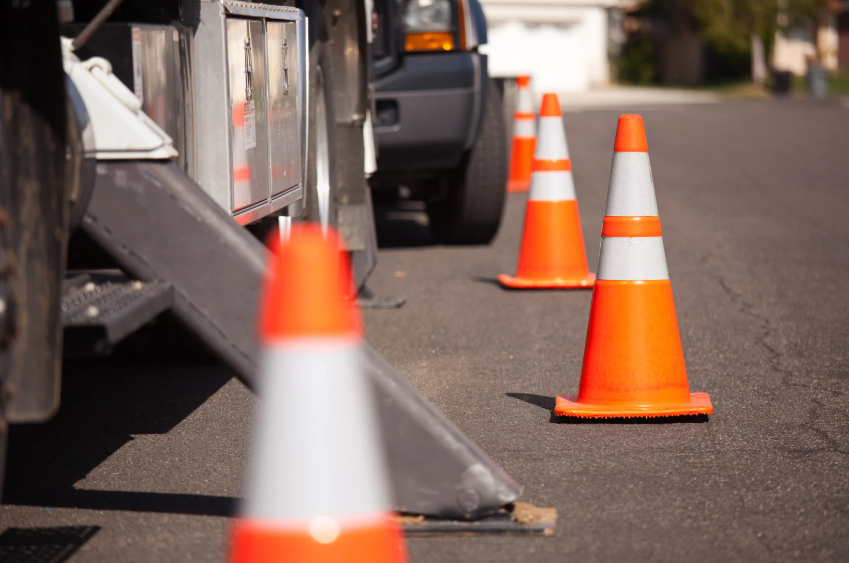
A Pre-Dawn Setup: Life Behind the Cones It’s 4:30 AM on the New Jersey Turnpike. The world is still dark, but your crew is already in motion. The job: set up a work zone before rush hour. Instead of a line of workers lugging traffic cones by hand, a cone truck rolls up. From the safety of the rear deck, two operators quickly and smoothly place cones along the shoulder, one after the other, while the truck moves steadily forward. In less than half the usual time, the lane closure is ready. The crew is off the road before most drivers even see them. The role of cone trucks is undeniable and can’t be overlooked in road safety. If you’ve ever wondered how large work zones seem to appear “overnight,” the answer often starts with a well-equipped traffic control truck—the unsung hero behind every safe and efficient setup. What Is a Cone Truck and How Does It Work? A cone truck (sometimes referred to as a traffic control truck or cone deployment vehicle) is purpose-built for transporting, deploying, and collecting cones and other channelizing devices on highways and city streets. Key Features Cone Deployment Bed: A low, open rear platform where operators stand to place or pick up cones directly onto the road surface. Automated or Assisted Deployment: Some models feature mechanical arms or conveyors for hands-free placement. High-Capacity Storage: Trucks can carry hundreds of cones, minimizing the need for refills and trips. Safety Lighting: Equipped with arrow boards, strobes, and reflective markings to warn approaching drivers. Side and Rear Gates: Designed for operator safety, preventing falls, and allowing quick access to the work area. How it works: Operators load cones onto the truck’s bed. As the vehicle moves slowly along the work zone, operators—protected by railings and harnesses—deploy or retrieve cones without stepping into live traffic. Efficient and Safe Cone Deployment: Why It Matters 1. Speed and Precision Traditional method: Workers walk along the shoulder, carrying stacks of cones. It’s slow, tiring, and risky. With a cone truck: Operators deploy cones at a steady pace, ensuring they match the job’s spacing requirements. Fewer errors in placement—cones are evenly spaced, meeting DOT regulations. One truck can handle what used to require multiple workers, freeing up your crew for other tasks. Stat: According to FHWA studies, automated or assisted cone deployment can reduce setup and breakdown times by 40% or more, thereby decreasing crew exposure to live traffic. 2. Operator Safety Reduced Time in Traffic: Operators stay on the truck, out of harm’s way, for most of the process. Less Physical Strain: No more repeated bending, lifting, or carrying heavy stacks of cones. Fewer Close Calls: Properly deployed cones, placed from a moving vehicle, keep workers away from fast-moving cars. “After switching to cone trucks, we saw fewer back injuries and a lot less anxiety about being on the road at night.” — Traffic Safety Supervisor, NJ Contractor 3. Streamlined Work Zone Setup Fast, accurate cone deployment means: Work zones rise and fall more quickly—critical for night jobs or short-duration closures. Less disruption to traffic—fewer bottlenecks during setup and removal. Reduced labor costs and overtime. 4. Improved Traffic Flow and Public Safety Clear, consistent cone lines guide drivers safely through detours and closures. Faster setups mean less time spent in partially marked or confusing work zones, which reduces driver mistakes. Cone Safety Protocols: Best Practices for Every Operator Operating a cone truck safely requires training and attention to detail. Follow these cone safety protocols for every shift: Pre-Trip Inspection: Check lights, arrow boards, and backup alarms. Inspect the cone bed for debris or hazards. Ensure harnesses and guardrails are secure. Proper PPE: Operators must wear high-visibility vests, gloves, and hard hats at all times. Safe Deployment Practices: Maintain a steady speed (typically 5–10 mph). Communicate clearly via radio with the driver and other crew. Never step off the truck while it’s in motion. Clear Communication: Use standardized hand signals or radios. Confirm each operator’s readiness before starting or stopping. Monitor Traffic: Assign a spotter to watch for approaching vehicles. Adjust deployment if traffic patterns change unexpectedly. Tip: Schedule regular toolbox talks to review protocols and share lessons from the field. Real-World Results: Time, Money, and Lives Saved Labor Savings: With cone trucks, a two-person team can deploy cones for a mile-long closure in under 30 minutes—a task that previously required four people and took an hour or more. Fewer Injuries: Contractors using cone trucks report significant reductions in musculoskeletal injuries and near-misses. Faster Project Turnarounds: Efficient setups enable more work to be completed in less time, especially crucial for night and weekend jobs. “Before cone trucks, we dreaded big setups. Now, it’s routine—and safer for everyone.” — Crew Foreman, Central NJ Why Every Contractor Needs a Cone Truck Whether you’re handling highway paving, bridge repairs, or utility work, cone trucks are a must-have for modern traffic control. They: Protect your crew by reducing exposure to moving traffic. Boost efficiency, saving time and labor costs. Deliver DOT-compliant, professional-looking work zones. Enhance your reputation with clients and DOT inspectors. Conclusion: A Small Investment, a Big Safety Difference In the world of traffic control, small details—like how and where you place your cones—can make the most significant difference. Cone trucks are more than just a piece of equipment; they’re a commitment to safety, efficiency, and professionalism. If you want to reduce risk, speed up your work zone setups, and give your team the best possible protection, investing in a cone truck is one of the smartest moves you can make. FAQs: Cone Trucks and Work Zone Setup How many cones can a typical cone truck carry? Most trucks hold between 300 and 600 cones, depending on size and configuration. Can cone trucks be used for both deployment and pickup? Yes. Most are designed for both fast and safe pickup, as well as deployment. Are cone trucks required by DOT regulations? Not always, but many DOTs and large contractors consider them best practice for
Why LED Message Boards Are a Game-Changer for Highway Safety
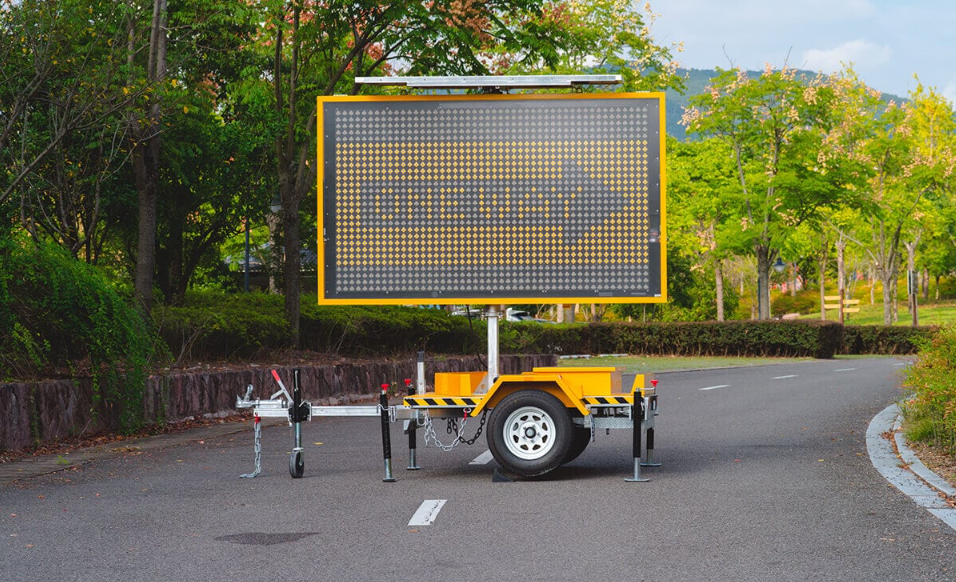
Introduction: From Confusion to Clarity in Seconds You’re driving late at night on a state highway. Suddenly, the lane splits for a detour you didn’t expect. Ahead, cones and barricades seem to point in every direction. But just before the confusion boils over, a bright LED message boards for highway safety comes into view: “DETOUR AHEAD – FOLLOW ARROWS” With instant clarity, you—and dozens of other drivers—safely and calmly adjust course. This is the difference that digital highway signage can make. For traffic engineers, DOT planners, and contractors, LED message boards are no longer a luxury—they’re a proven, practical solution for safer, smarter work zones. How LED Message Boards Work LED message boards (also called electronic message boards or variable message signs) are portable or mounted devices that use arrays of light-emitting diodes (LEDs) to display clear, changeable messages for drivers. Key Features High Visibility: Super-bright LEDs cut through glare, rain, fog, and darkness. Programmable Messaging: Operators can change messages in seconds—either locally or remotely. Energy Efficiency: Most boards run on solar power with battery backups, reducing fuel and maintenance costs. Custom Alerts: From speed warnings to detour instructions, messages can be tailored for any event or emergency, ensuring timely and relevant information. Role in Traffic Management: Smarter Work Zones, Safer Roads LED message boards are not just signs—they’re advanced traffic control devices at the heart of smart work zones. Immediate, Flexible Communication Real-Time Updates: Operators can change messages instantly in response to crashes, weather, or project needs. Dynamic Detours: When routes shift, drivers get up-to-date directions—minimizing confusion and bottlenecks. Emergency Alerts: Boards can display Amber Alerts, hazardous weather notices, or incident warnings in seconds. Enhanced Driver Response According to FHWA studies, drivers are 40% more likely to comply with digital signage than with static signs, especially in complex or unexpected situations. Reduced Risk of Accidents Advance Warning: Early notice of lane closures, speed reductions, or upcoming hazards gives drivers time to adjust safely. Clear Instructions: No more guessing—drivers see precisely what to do, reducing abrupt lane changes and last-second braking. Safety Impact: What the Numbers Say The Federal Highway Administration (FHWA) and state DOTs have published compelling data: Up to 25% reduction in work zone crashes when LED message boards are deployed as part of smart work zone strategies. Source: FHWA Work Zone Safety Fact Sheet Improved driver comprehension: Studies show digital signage improves message recall and compliance over static signs by up to 50%. Faster response times: Drivers react to LED boards more quickly, reducing the risk of rear-end and side-swipe collisions. “Our crash rates dropped by half after adding portable LED boards on our busiest resurfacing projects.” — NJ DOT Traffic Control Supervisor Cost-Efficiency and ROI: A Smart Investment for Contractors Some contractors hesitate at the initial price tag of quality LED message boards for highway safety. But a closer look reveals a strong business case: Lower Long-Term Costs Durability: Modern boards are designed for years of use, featuring weatherproof and vandal-resistant construction. Low Maintenance: LEDs outlast bulbs by a factor of 10 or more, and solar options reduce generator costs. Minimal Staffing: Remote programming cuts labor costs and response times. Fewer Project Delays Reduced Accidents = Fewer Work Stoppages: Every avoided crash saves time, paperwork, and potential litigation. Faster Setup and Teardown: Portable boards roll out in minutes, keeping projects on schedule. Insurance and Reputation Benefits Fewer claims and incidents can lead to lower insurance premiums. Demonstrated commitment to safety helps win DOT contracts and repeat business. Technical Advantages: What Sets LED Message Boards Apart Programmability: Messages can be scheduled, updated on the fly, or integrated with smart work zone networks. Legibility: High contrast and large fonts ensure readability at highway speeds, day or night. Connectivity: Many boards offer cellular or Wi-Fi controls for remote operation and real-time data logging. Compliance: Top models meet MUTCD and state DOT standards, which are essential for public projects. Conclusion: Clear Communication Saves Lives LED message boards aren’t just another piece of equipment—they’re a frontline safety tool that gives drivers the information they need to make smart, safe decisions. For traffic engineers and contractors, the benefits go beyond compliance: Fewer accidents, better project flow, and a stronger safety record. In an era of ever-changing work zones and increasing traffic volumes, clear and dynamic communication is essential. That’s why more DOTs and contractors are making LED message boards for highway safety a standard part of every project. FAQs: LED Message Boards for Highway Safety How do LED message boards improve work zone safety? By delivering real-time, highly visible messages, they help drivers make safer choices and reduce the risk of crashes. Are LED message boards required by DOT standards? For many projects, yes—state and federal guidelines often mandate use in smart work zones or major closures. Can the messages be changed remotely? Most modern boards allow remote updates via cellular or Wi-Fi connections, saving time and increasing flexibility. Do LED message boards work in bad weather? Yes—LEDs remain visible in rain, fog, and nighttime conditions, unlike many traditional signs. Are they cost-effective for small contractors? Yes—when factoring in reduced accidents, legal exposure, and repeat usability, the ROI is strong for both large and small firms. Ready to bring clarity and safety to your next highway project? Choose LED message boards—because every message counts. Contact us for more information.
Crash Truck Safety: 7 Must-Know Tips for Operators

Introduction: Why Crash Truck Safety Can’t Be an Afterthought On a chilly April night in New Jersey, a seasoned crash truck operator named Luis was the last line of defense between his paving crew and oncoming traffic. Just after midnight, a distracted driver failed to notice the lane closure signs. The car slammed into the rear of Luis’s truck. Thanks to his training, the correct positioning of his attenuator, and working warning lights, a tragedy was averted. Everyone went home safe. Stories like this play out across the country—sometimes with much less fortunate outcomes. In 2023, work zone crashes claimed over 800 lives in the U.S., with many more injuries (FHWA). For crash truck operators and safety supervisors, every shift is a reminder: Attenuator safety isn’t just a protocol; it’s a life-saving responsibility. Whether you’re new to the role or a veteran, following proven crash truck safety practices is the difference between a near-miss and a nightmare. 1. Know Your Truck and Equipment—Inside and Out Operators must be intimately familiar with their crash truck’s controls, features, and limitations. Review the manual for your specific make and model. Check the attenuator—ensure it’s MASH-certified and in good repair. Test warning systems (LED arrow boards, strobes, brake locks) before every shift. Inspect tires, brakes, and mirrors as part of pre-trip protocols. “The best operators I’ve known could spot a loose bolt just by sound. You have to know your truck like you know your own hands.” — Retired DOT supervisor 2. Master Crash Truck Positioning Proper placement is the foundation of crash truck protocol and maximizes attenuator safety: Follow DOT diagrams: Always position the crash truck at the upstream end of the work zone, as specified by your state’s traffic manual. Stay offset: Allow enough buffer distance between your truck and the crew or equipment you’re protecting. Keep the attenuator facing traffic: Never park at an angle or with the attenuator obstructed. Be visible: Use high-visibility markings and lighting, especially in low-light conditions or adverse weather. Remember: A misplaced crash truck is almost as dangerous as not having one at all. 3. Maintain Constant Communication Work zone safety is a team effort. Crash truck operators must: Use two-way radios or hands-free communication devices to stay in touch with flaggers, supervisors, and other drivers. Report hazards immediately, including erratic drivers, shifting signage, or equipment breakdowns. Double-check lane closure setups and coordinate any repositioning with the crew. “I always let my crew know if I see trouble coming. Sometimes that five-second heads up is what saves a life.” — Maria, crash truck operator 4. Never Let Your Guard Down: Situational Awareness Highway environments are unpredictable. Stay alert by: Scanning traffic constantly: Watch for speeding, weaving, or distracted drivers. Monitoring weather: Rain, fog, or darkness increases risk—adjust protocols accordingly. Limiting distractions: No cell phones, headphones, or side conversations while on duty. Rotating operators: Long shifts cause fatigue. Schedule breaks and, if possible, share driving duties. Fact: According to OSHA, most work zone crashes occur during routine, “normal” operations—complacency is the real enemy. 5. Perform Pre- and Post-Shift Inspections A safe shift starts and ends with a thorough walkaround: Before every deployment: Inspect the attenuator for damage or debris. Check lighting, brakes, mirrors, and backup alarms. Confirm reflective markings are clean and visible. After every shift: Log any impacts, close calls, or maintenance needs. Clean debris from the attenuator and lighting. Report issues immediately to your supervisor or fleet manager. Tip: Many insurance claims are denied due to a lack of inspection records—keep yours up to date. 6. Follow All DOT and Company Safety Protocols Comply with state and federal guidelines: Always follow FHWA, OSHA, and your state DOT’s work zone safety rules. Wear required PPE: Hard hats, high-visibility vests, gloves, and boots at a minimum. Participate in regular safety training by Attending toolbox talks and refreshers, as protocols change in response to evolving regulations. Crash truck safety is an ongoing commitment. If you’re unsure about a rule or setup, ask your supervisor or safety officer before proceeding. 7. Prepare for the Unexpected: Emergency Protocols Even with every precaution, emergencies can still occur. Operators should: Know the emergency plan: Be clear on evacuation routes, first aid, and who to contact in the event of an accident. Keep emergency supplies (cones, flares, and a first aid kit) in the truck. If struck: Remain calm, check for injuries, call 911, and alert your supervisor. Do not move the truck unless instructed to do so by the authorities. Document everything: Take photos, record witness statements, and preserve any relevant evidence for investigators. Your calm response in an emergency can help prevent a bad situation from escalating. Conclusion: Stay Vigilant, Stay Safe Operating a crash truck is a unique and responsible task. You’re not just driving—you’re protecting lives, sometimes with only seconds to spare. The best operators don’t just follow rules; they live them, shift after shift. They know that every protocol, every inspection, every radio call can be the difference between a safe crew and a tragedy. Remember: Know your equipment. Master your positioning. Communicate relentlessly. Stay alert. Inspect before and after every shift. Follow all safety protocols. Be ready for emergencies. Every safe shift is a victory. Let’s ensure you and your crew arrive home safely every time. Contact Spa Safety Systems today! FAQs: Crash Truck Operator Safety 1. What is the most common mistake crash truck operators make? Failing to perform thorough pre-shift inspections or improperly positioning the truck—both can turn a preventable incident into a serious accident. 2. What should I do if my crash truck is struck while deployed? Stay calm, check for injuries, call 911, notify your supervisor, and do not move the truck until authorities arrive unless it’s unsafe to stay. 3. How often should I inspect my crash truck and attenuator? At a minimum, before and after every shift. More frequent checks may be necessary after impacts or in severe weather conditions. 4. Do crash truck operators need special training? Yes—state DOTs and
NJ DOT TMA Certification Explained – Ensuring Work Zone Safety
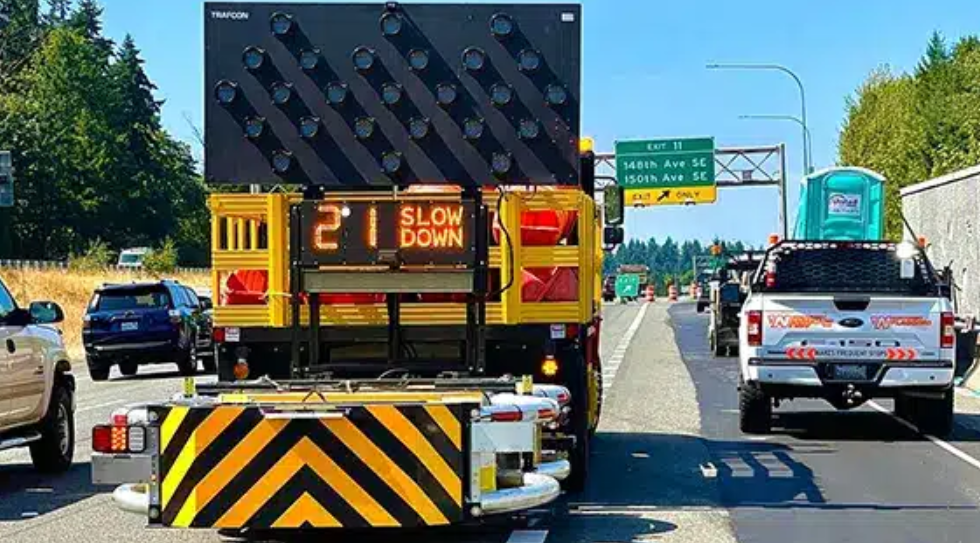
Introduction: Why NJ DOT Certification Matters Picture this: You’re setting up a lane closure on a busy stretch of I-78. Suddenly, a DOT inspector pulls up and asks for your crash attenuator truck’s certification paperwork. You hand it over confident—your project keeps moving, your crew stays safe, and you avoid costly fines or work stoppages. But what if your truck isn’t certified? Delays, penalties, or even a shutdown can quickly follow. For every New Jersey contractor or project manager, having NJ DOT TMA certification is more than a formality—it’s the backbone of legal compliance and job site safety. Let’s break down what this certification means and why it matters for your business. What Is NJ DOT TMA Certification? NJ DOT TMA certification is the formal process by which the New Jersey Department of Transportation confirms that your truck-mounted attenuator (TMA) meets strict state and federal safety standards for work zone protection. TMA: A TMA is a vehicle equipped with an energy-absorbing crash attenuator designed to shield workers and motorists in highway work zones. Certification: It proves your truck is built, equipped, and maintained according to the latest engineering and safety standards—including those set out by MASH (Manual for Assessing Safety Hardware) and NCHRP (National Cooperative Highway Research Program). In short: If you operate on New Jersey highways, you must use a certified crash attenuator truck. There are no shortcuts. The Certification Process Explained Getting your TMA certified for New Jersey roads is a step-by-step process that ensures every vehicle meets or exceeds DOT requirements. Here’s how it works: 1. Choose DOT-Approved Equipment Begin with a truck and attenuator that are already MASH-tested and listed by the manufacturer as DOT-approved. Only specific models and brands are accepted—check with both your supplier and the NJ DOT list. 2. Submit Documentation Provide proof of compliance with MASH or NCHRP 350. Include manufacturer’s specs, serial numbers, and crash test results. 3. Inspection by NJ DOT A DOT inspector checks your truck for correct installation, structural integrity, and all required safety features (see next section). Inspections can occur in your yard or on the project site. 4. Certification Issuance If your truck passes, you receive a formal certification card or sticker—often with an expiration date. You must keep this Documentation available for every job. 5. Ongoing Compliance Trucks are subject to re-inspection, especially after any repair or major collision. Annual or project-based renewals may be required. Pro Tip: If you rent from a reputable provider, like SPA Safety Systems, certification is handled for you. Key Safety Features That Pass Certification What exactly does the NJ DOT look for in a certified TMA truck? Here are the essentials: MASH TL-3 or NCHRP 350 Attenuator: The rear crash cushion must be tested and approved to absorb high-speed vehicle impacts. DOT-Approved Lighting: Includes LED arrow boards, strobes, and high-visibility taillights. Reflective Striping and Signs: Ensures the truck is visible 24/7, even in harsh weather or at night. Structural Integrity: No rust, bends, or cracks in the attenuator or frame. Proper Mounting: The attenuator must be installed according to the manufacturer’s and DOT specifications—no shortcuts or field modifications. Backup Alarms and Cameras: For added operator and pedestrian safety. Current Inspection Records: All maintenance and repairs are logged with up-to-date inspection stickers. Failing even one of these items can result in your TMA being pulled from service until it is fixed. Benefits of Certified Attenuator Trucks Why go through the hassle of NJ DOT TMA certification? The benefits speak for themselves: 1. Legal Compliance Avoid fines, project shutdowns, and legal exposure. Pass DOT inspections without delays. 2. Worker and Public Safety Certified trucks are proven to save lives by mitigating the impact of dangerous crashes. Lower risk of injuries and fatalities. 3. Insurance and Liability Insurers look for certification; non-compliance can result in voided coverage. Reduces your liability if an accident occurs. 4. Reputation and Peace of Mind Certified equipment means professionalism and reliability—qualities DOT inspectors and clients respect. 5. Seamless Project Flow No last-minute surprises or shutdowns due to uncertified equipment. How SPA Safety Systems Supports Certified Equipment At SPA Safety Systems, we understand the stakes. That’s why every TMA truck we rent or sell is: It is fully NJ DOT certified and comes with Documentation ready for inspection. Regularly maintained, with all inspection and repair records available on demand. Upgraded to meet the latest standards, including MASH TL-3 compliance. Backed by a support team who knows the ins and outs of NJ highway safety equipment standards. If you ever have a certification question or need help preparing for a DOT inspection, our experts are just a call away. Conclusion NJ DOT TMA certification isn’t just a box to check—it’s a critical safeguard for your crew, your project, and your business. By choosing certified crash attenuator trucks in New Jersey, you ensure legal compliance, maximum safety, and successful project delivery. Don’t risk it. Always verify your TMA’s certification status before starting a job. If you’re unsure or need help, contact SPA Safety Systems for certified rentals, sales, and expert compliance advice. FAQs About NJ DOT TMA Certification 1. Is NJ DOT TMA certification required for every highway project? Yes. Any project that uses a crash attenuator truck on NJ state or interstate highways must use a DOT-certified vehicle. 2. How often does my TMA truck need to be recertified? Typically, this is done annually or after any major repair or collision. Always check for project-specific requirements. 3. Can I get my older TMA truck certified? Possibly—if it meets current MASH or NCHRP standards and passes inspection. Some older models may no longer qualify. 4. What paperwork should I carry on the job? Keep your certification card or sticker, recent inspection records, and proof of MASH/NCHRP compliance in the truck at all times. 5. What happens if I fail certification or a spot inspection? You’ll need to fix any issues—sometimes immediately—or replace the truck. Non-compliance can lead to fines or project delays. Ready to ensure your attenuator trucks meet
Buying vs Renting a Truck Mounted Attenuator in NJ: What’s Best for Your Project?

Introduction: The TMA Truck Decision – Buy or Rent? You’re a New Jersey contractor about to kick off a big road project. The DOT specs are precise: you need a truck-mounted attenuator (TMA) to keep your crew safe and your project compliant. But here’s the dilemma that keeps many project managers up at night: Should you buy a TMA truck—or rent one for the job? It’s a question with no one-size-fits-all answer. Your choice impacts your upfront costs, flexibility, risk, and even your reputation with DOT inspectors. As one local project manager put it: “We used to rent TMA trucks for every job. Now that we’re doing highway work year-round, owning made sense. But for short jobs, renting is a no-brainer.” This guide breaks down the financial, operational, and compliance implications of buying vs renting TMA truck NJ—helping you make the right decision for your New Jersey project. Financial Factors: Upfront Cost vs Long-Term Expense Buying a TMA Truck in NJ Upfront Cost: New MASH-compliant crash attenuator trucks typically cost between $120,000 and $200,000, depending on specifications and truck chassis. Financing/Leasing: Some suppliers offer leasing or financing, but you’ll still need a sizable down payment. Resale Value: Well-maintained units can be resold, but depreciation is a factor to consider. Renting a TMA Truck in NJ Rental Rates: Expect to pay $1,500–$2,500 per week or $5,500–$8,500 per month for NJ DOT-approved TMA trucks. No Upfront Investment: Rental lets you preserve cash for other project needs. All-Inclusive: Maintenance, inspections, and sometimes even 24/7 roadside service are bundled in. Cost Comparison Table Operational Considerations: Flexibility and Availability Buying Truck Mounted Attenuator: Pros & Cons Pros: Always available for your team—no waiting for rental trucks. Customizable to fit your specific needs (tool racks, lights, branding). Control over maintenance schedules and usage. Cons: Ties up capital and may sit idle between projects. You handle storage, insurance, and compliance paperwork. Renting Truck Mounted Attenuator: Pros & Cons Pros: Perfect for short-term or variable workloads. Scale up or down as projects demand. No need to worry about storage or off-season costs. Newest models and specs since rental fleets update frequently. Cons: May face limited availability during peak DOT season. Repeated rentals can add up over long periods; at some point, buying becomes more cost-effective. Real-World Example A small NJ paving contractor landed a six-week night job on I-78. They rented a TMA truck for a total of $6,800. “No headaches, no maintenance, and it went back when we were done.” For a firm running year-round projects, a large contractor said, “We own two TMAs—availability and control are worth it.” Compliance and Maintenance Responsibilities Buying You’re responsible for all DOT, NJ state, and MASH certification upkeep. Must keep up with MASH TL-3 or the latest standards. Maintenance, annual inspections, and repairs are on your dime. If regulations change, you may need to retrofit or replace equipment. Renting Compliance is the rental company’s job. (Ask for documentation—reputable providers will supply it.) Regular inspections, repairs, and upgrades are handled for you. Peace of mind: If there’s a breakdown, you get a replacement—fast. When Buying Truck Mounted Attenuator Makes Sense You run TMA trucks daily or on most projects year-round. You want control over customization, branding, or specific equipment features. Your business is growing, and the long-term project pipeline is strong. You have the capital (or financing) and can handle maintenance and storage. When Renting Truck Mounted Attenuator Is the Smarter Choice You have short-term, seasonal, or unpredictable project schedules. You want to avoid significant upfront costs and complex compliance paperwork. You need the latest DOT-approved crash attenuator trucks—without the risk of owning outdated equipment. You prefer having maintenance, repairs, and inspections bundled in. Conclusion + Next Steps There’s no “right” answer for every contractor. If you’re a large firm with steady highway work, buying a TMA truck in NJ can save money over time. For everyone else—especially those with variable workloads or tight budgets—renting offers unmatched flexibility, lower risk, and up-to-date compliance. Still unsure? Get a tailored quote for both options. Providers like SPA Safety Systems offer honest advice, whether you’re ready to purchase or need a short-term rental. The right choice is the one that fits your business and your budget and keeps your crew protected—shift after shift. FAQs: Buy vs Rent TMA Truck NJ 1. How do I calculate the break-even point for buying vs renting a TMA truck? Add your expected annual rental costs and compare them to the purchase price (plus yearly maintenance and depreciation). Many contractors find renting is cheaper unless they need a TMA for more than 8–10 months per year. 2. What are typical maintenance costs for an owned TMA truck? Budget $3,000–$7,000 per year for inspections, parts, and repairs—plus time spent on compliance paperwork. 3. Is rented equipment always DOT-approved and up-to-date? Reputable companies provide MASH TL-3 or better trucks and complete compliance records. Always request documentation before starting your job. 4. Can I lease a TMA truck as a middle ground? Yes—equipment leasing offers lower upfront costs and often includes maintenance, but be sure to check the contract for early-return fees or buyout terms. 5. What happens if my rented TMA truck breaks down? Quality rental partners will send a replacement quickly—often within hours—to keep your project on schedule. Ready to make the best choice for your next NJ project? Contact SPA Safety Systems for side-by-side pricing and expert guidance—no pressure, just practical help.
How MASH-Compliant Crash Trucks Keep Road Crews Safe

Introduction: The High Stakes of Work Zone Safety Picture this: A highway work zone at dusk. Traffic is heavy, visibility is dropping, and your crew is wrapping up for the day. Suddenly, a distracted driver swerves past the first warning signs and barrels straight toward your team. But instead of a devastating impact, the car crashes into a crash attenuator truck at the rear—its energy-absorbing structure crumpling to protect everyone ahead. The driver walks away, and your crew is shaken but safe. These “near-miss” stories aren’t rare. According to FHWA, more than 800 people lose their lives in work zone crashes each year in the U.S.—and thousands more are injured. The difference between a tragedy and a story of survival often comes down to one thing: the right safety equipment. That’s where MASH-compliant crash trucks step in. What Is MASH Compliance? When you see “MASH compliant” on a crash truck, it means the truck meets the strictest standards for roadside safety equipment in the U.S. MASH stands for the Manual for Assessing Safety Hardware. Developed by AASHTO and adopted by the FHWA, MASH sets the benchmark for how roadside safety devices—like crash attenuators—must perform in real-world, high-speed collisions. Key Elements of MASH Compliance Rigorous Crash Testing: MASH guidelines require crash attenuators to withstand impacts from cars and trucks at various speeds and angles. Test Level 3 (TL-3): The most common standard for highway work zones, TL-3 indicates that the device has been tested with vehicles weighing up to 2,200 kg (approximately 4,850 lbs) at a speed of 62 mph. DOT Certification: Most state DOTs, including the New Jersey DOT, now require MASH-compliant (often TL-3) attenuator trucks for highway work. MASH compliance isn’t just a checkbox—it’s a guarantee that the equipment has been proven to save lives under the toughest conditions. ** Crash Truck Features That Save Lives MASH-compliant crash trucks—sometimes called DOT-certified attenuator trucks or highway safety trucks—are engineered for maximum protection. Here’s what sets them apart: 1. Energy-Absorbing Attenuators The most critical feature is the rear-mounted attenuator. In a crash, it absorbs the force of impact, crumpling in a controlled way to protect both the errant driver and everyone working ahead of the truck. 2. High-Visibility Lighting LED Arrow Boards: Direct traffic clearly around the work zone. Strobe and Warning Lights: Ensure the truck is visible day and night, even in poor weather conditions. 3. Operator & Crew Safety Features Backup cameras and alarms to prevent accidental movement. Automatic brake locks to keep the truck stationary during operations. Bright reflective markings for 360° visibility. 4. Rugged, Reliable Chassis Heavy-duty platforms must build crash trucks to ensure stability and withstand repeated impacts if necessary. 5. Compliance Documentation Every MASH-compliant truck should come with clear documentation proving it meets MASH TL-3 or higher standards. This is your proof of compliance for DOT inspectors. Real Statistics: The Impact of MASH Trucks How much difference does MASH compliance make? Consider the numbers: Work zone fatalities decreased by 45% when MASH-compliant attenuator trucks were deployed, per FHWA impact reviews. OSHA reports that struck-by incidents are a leading cause of death for highway workers—crash attenuator trucks are proven to reduce these incidents significantly. NJ DOT requirements: All crash trucks used on state highways must be MASH TL-3 certified—a standard now echoed nationwide. And beyond the data are the stories: “We had a TMA take a direct hit at 1 AM. The driver walked away. My crew didn’t even have a scratch. That truck did its job.” — Roadway Supervisor, New Jersey contractor How to Verify MASH Compliance in Rental or Purchase Choosing a MASH-compliant truck isn’t just smart—it’s required. Here’s how to make sure your equipment is up to standard: 1. Request Certification Documents Every compliant truck should have a MASH TL-3 (or higher) certificate. Don’t settle for “DOT approved” unless you see the paperwork. 2. Inspect the Attenuator Check for manufacturer labels, serial numbers, and visible signs of proper maintenance. The attenuator should match the specs listed in its MASH documentation. 3. Ask Your Rental or Sales Rep Reputable companies, such as SPA Safety Systems, will provide certification, inspection logs, and guidance on the latest compliance requirements. 4. Review DOT Guidelines Compare your truck’s documentation with New Jersey Department of Transportation (NJ DOT) regulations to ensure it meets all state and federal mandates. Conclusion: Investing in Safety Pays Off Every contractor and municipality faces tough choices on budgets and equipment. But when it comes to work zone protection equipment, there’s no room for compromise. MASH-compliant crash trucks aren’t just about passing inspections—they’re about getting everyone home alive after every shift. Your crew’s protection, your project’s compliance, and your secure reputation provide priceless peace of mind. Make every work zone a safe zone. Choose MASH-compliant, DOT-certified crash trucks—because every life is worth protecting. FAQs: MASH-Compliant Crash Trucks 1. What is a MASH TL-3 truck? A MASH TL-3 truck features an attenuator tested to withstand high-speed impacts (up to 62 mph) under the MASH Test Level 3 standard—the most common requirement for highway work zones. 2. Are all crash attenuator trucks MASH compliant? Only trucks with attenuators tested and certified under MASH standards (usually TL-3 or higher) comply legally with most DOT projects. 3. How do I confirm my rental truck is MASH-certified? Ask for the MASH TL-3 compliance certificate and inspect the attenuator’s manufacturer label. Reputable providers will have these ready. 4. Can I use a non-compliant truck on a public project? No. Using non-certified equipment puts you at risk for fines, insurance issues, and project shutdowns—not to mention increased danger for your crew. 5. What other features should a compliant crash truck include? Look for LED arrow boards, strobe lights, backup alarms, reflective markings, and a well-maintained heavy-duty chassis—all essential for maximum safety and compliance. Need help finding or verifying a MASH-compliant crash truck? Contact SPA Safety Systems for expert guidance, certified rentals, and total peace of mind.
TMA Truck Rental in New Jersey: A Contractor’s Guide
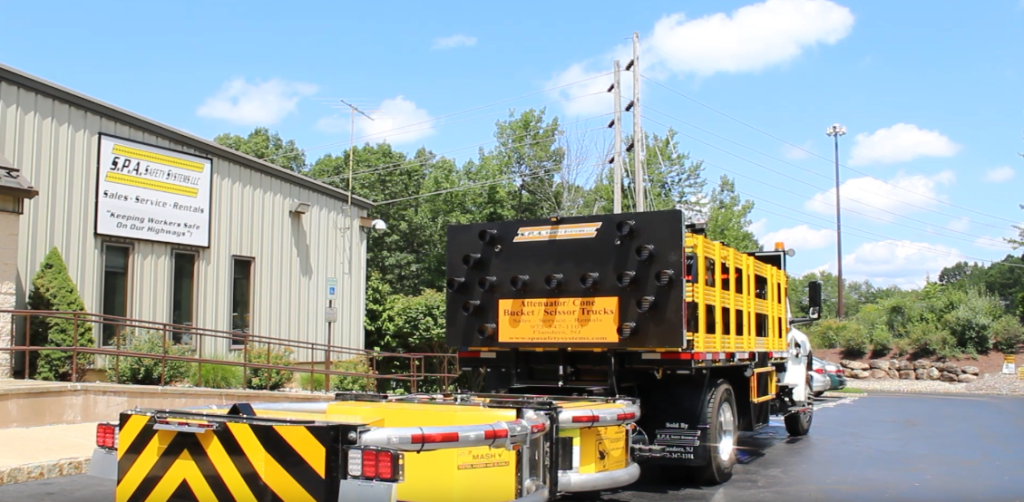
Introduction: The Clock Is Ticking, and Safety Can’t-Wait You’re a project manager racing against time to meet a DOT deadline. Your crew is ready, permits are in hand, and the weather is finally cooperating. However, one thing is missing—a compliant TMA truck that keeps your team safe and your project compliant with NJ DOT regulations. In New Jersey, you can’t afford to take shortcuts on highway safety. Compliance violations mean delays, fines, or—far worse—someone getting hurt. As one contractor put it: “We rent TMA trucks because the DOT expects nothing less. No shortcuts on safety.” If you’re searching for a TMA truck rental in New Jersey, this guide will walk you through what to look for, where to rent, and how to make the smartest, safest choice for your next job. Why TMA Trucks Are a Must in NJ When you work on or near New Jersey highways, TMA trucks—also called crash attenuator trucks or truck-mounted attenuators for work zones—are not optional. Here’s why: 1. Compliance with NJ DOT Regulations The New Jersey Department of Transportation (NJDOT) Traffic Control Manual requires MASH TL-3 compliant Traffic Management and Safety (TMA) trucks for most lane closures, moving operations, or mobile work zones on high-speed roads. Failure to comply can mean: Project shutdowns Costly fines Legal liability in the event of a crash 2. Worker Safety and Public Protection According to the FHWA, truck-mounted attenuators reduce work zone fatalities by up to 45%. In 2023 alone, New Jersey reported dozens of work zone crashes—many of which were prevented from becoming tragedies thanks to proper crash attenuator truck rental. 3. DOT Inspections and Expectations DOT inspectors know what to look for: “If your TMA truck isn’t up to spec, you’re off the site. It’s black and white.” — NJ project superintendent What Makes a Good Rental TMA Truck? Not all crash attenuator trucks are created equal. Here’s what you should demand when you rent a TMA truck in NJ: 1. MASH TL-3 Certification A compliant TMA must meet MASH TL-3 (Manual for Assessing Safety Hardware, Test Level 3) standards. This ensures it will absorb high-speed impacts as required by federal and state law. 2. DOT-Ready Safety Equipment LED Arrow Boards: For maximum visibility and clear directional guidance. High-Visibility Markings: Reflective striping and signage conforming to New Jersey Department of Transportation (NJDOT) standards. Back-Up Alarms and Cameras: Modern safety tech to protect workers and pedestrians. Strobe/Warning Lights: Alert approaching drivers from a distance. Heavy-Duty Platform: Some jobs require additional space for cones, tools, or signs. 3. Fleet Condition and Maintenance Ask for recent inspection records. Well-maintained TMA trucks mean fewer breakdowns and accidents. 4. Easy, Reliable Operation Look for: Simple controls for arrow boards and lights Automatic brake lock systems Operator training (offered by top rental companies) 5. Flexible Sizing and Payload Depending on your project, you may need a standard or extended platform truck. Check with your rental provider for options. Where to Rent a TMA Truck in New Jersey SPA Safety Systems (Your No. 1 Choice) Large, DOT-compliant fleet Quick delivery throughout NJ 24/7 support and emergency swaps Complete MASH TL-3 certification documentation provided Quick Checklist Before You Rent Don’t skip these steps: Confirm MASH TL-3 or NJ DOT certification. Request recent inspection and maintenance records. Ask about delivery and pickup timelines. (Some companies offer same-day delivery.) Verify insurance and licensing requirements. Inspect for clean, working arrow boards and warning lights. Get a precise, written quote—including any surcharges or damage waivers. Cost Considerations: What Should You Expect to Pay? Pricing varies depending on rental duration, truck specifications, and provider. As of 2025: Daily Rate: $400–$700 Weekly Rate: $1,500–$2,500 Monthly Rate: $5,500–$8,500 Included Services May Cover: Delivery and pickup Routine maintenance 24/7 emergency support Watch for additional charges—such as fuel, after-hours support, or damage waivers. Conclusion: Don’t Wait Until the Last Minute You wouldn’t let your crew work without proper personal protective equipment (PPE). Don’t let them work without a certified TMA truck. In New Jersey, safety and compliance aren’t just requirements—they’re your reputation. If you’re looking to rent a DOT-approved TMA truck in New Jersey, contact us for current availability, specs, and a hassle-free quote. Protect your crew, your project, and your peace of mind. FAQs: TMA Truck Rental in NJ 1. What does “MASH TL-3 compliant” mean for TMA trucks? It means the attenuator has passed rigorous crash tests at highway speeds, meeting the latest federal and New Jersey Department of Transportation (NJDOT) safety standards. 2. How quickly can I receive a TMA truck at my job site? Most local providers offer same-day or next-day delivery throughout New Jersey. 3. Is operator training included with my rental? Many companies provide a basic walk-through and operation manual; ask if hands-on training is available. 4. What if a rented TMA truck breaks down during my project? Reputable rental partners offer 24/7 support and quick-replacement trucks to minimize downtime. 5. Can I rent more than one TMA truck at a time for a large project? Absolutely. Most providers can supply multiple units on flexible terms for large or multi-phase jobs.
What Is a TMA Truck and Why You Might Need One in NJ
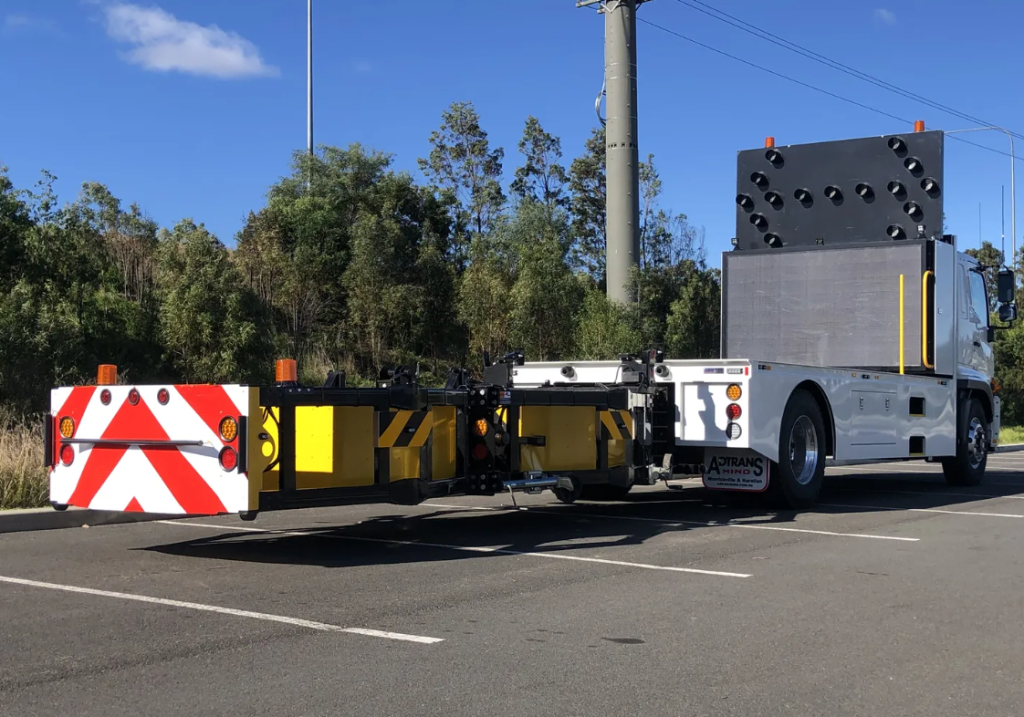
A Near-Miss on I-295: How a TMA Truck Saved Lives Imagine this: It’s 2:30 AM on I-295 in New Jersey. Your crew is hours into a critical milling operation. Suddenly, a drowsy driver veers into your lane at 60 mph. But instead of tragedy, the car slams into a large, clearly marked vehicle at the end of your work zone—a TMA truck. The impact crushes the rear attenuator, but your crew is unharmed. The driver, shaken, survives with only minor injuries. Your project continues with no lives lost and no headlines. This isn’t just a story. Incidents like this happen every week on New Jersey highways—and the difference between disaster and a near-miss is often a single piece of equipment: the TMA truck. What Is a TMA Truck? TMA truck stands for Truck Mounted Attenuator truck—also called a crash truck or attenuator vehicle. It’s a specialized truck designed to protect road workers, drivers, and equipment from collisions in active work zones. Components of a TMA Truck Attenuator (Crash Cushion): The key feature. This energy-absorbing device is mounted on the rear of the truck and designed to crumple on impact, dissipating kinetic energy and shielding people and assets ahead. Warning Lights & Arrow Boards: High-visibility lighting and directional boards alert oncoming traffic to lane closures or work zones. Heavy-Duty Chassis: Typically built on robust trucks to provide stability and withstand repeated deployments. Safety Features: These may include cameras, remote controls, brake lock systems, and reflective markings. How Does a TMA Truck Work? A TMA truck is positioned at the upstream end of a work zone, facing traffic. If a motorist fails to notice signs or loses control, the truck’s attenuator absorbs the crash, reducing the force that would otherwise hit your crew or equipment. Modern attenuators are MASH compliant—meeting the latest FHWA safety standards. Why Are TMA Trucks Needed in New Jersey? NJ DOT Safety Requirements The New Jersey Department of Transportation (NJ DOT) mandates the use of TMA trucks for many highway and lane closure projects. Their requirements are clear: “Truck-mounted attenuators are required on all mobile operations and stationary lane closures on high-speed roadways.” — NJ DOT Traffic Control Manual High-Risk Work Zones New Jersey’s highways are among the busiest and most congested in the United States. Night work, short-duration lane closures, and distracted drivers create a hazardous mix. According to the U.S. Bureau of Labor Statistics, highway construction remains one of the highest-risk occupations, with hundreds of work zone fatalities nationwide each year. A TMA truck isn’t just a box to check for compliance—it’s a proven lifesaver. TMA Truck vs. Other Crash Barriers Bottom line: Only a TMA truck can move with your crew, protect against high-speed impacts, and meet NJ DOT requirements for mobile and short-duration work. Safety and Compliance: The Hard Numbers OSHA: 1 in 4 work zone fatalities involve a vehicle intruding into a work area. FHWA: Work zone crashes killed 857 people nationwide in 2022; thousands more were injured. NJ DOT: Requires MASH-compliant TMA trucks on most highway projects. Bureau of Labor Statistics: Construction laborers, flaggers, and engineers face higher rates of struck-by injuries than almost any other occupation. TMA trucks are engineered to meet MASH (Manual for Assessing Safety Hardware) standards. These federal guidelines specify how attenuators must perform in real-world, high-speed crashes. How to Rent or Buy a TMA Truck in NJ Whether you need a single crash truck for a night job or a fleet of attenuator vehicles for a long-term paving project, here’s what to look for: 1. MASH Compliance Always verify that the attenuator meets current MASH or NCHRP 350 standards. 2. Equipment Condition Inspect the attenuator and truck. Look for recent maintenance records and verify that warning lights and arrow boards are fully functional. 3. Visibility & Signage High-visibility paint and reflective and clear signage are a must for NJ DOT compliance. 4. Fleet Availability Can your supplier deliver trucks quickly, especially for emergency or off-hours work? 5. Support & Service Choose a provider who offers 24/7 support, replacement units, and operator training. SPA Safety Systems specializes in TMA truck rentals and sales throughout New Jersey, with a fleet tailored to meet NJ DOT specifications. Visit our TMA rental page or call for a quote—you’ll get expert advice and a fast turnaround. Conclusion: Your Crew’s Safety Depends on Your Choices As a contractor, DOT engineer, or project manager in New Jersey, you’re responsible for more than project deadlines. Every time your crew steps onto a highway, their lives depend on your safety plan. The right TMA truck can mean the difference between a headline tragedy and everyone going home safe. Don’t leave it to chance. Explore SPA Safety Systems’ TMA rentals or request a custom quote today. Equip your next NJ road project with the best in safety, compliance, and peace of mind. Sources: FHWA MASH Guidelines, NJ DOT Safety Manuals, SPA Safety Systems Product Specs, U.S. Bureau of Labor Statistics, OSHA Work Zone Safety Resources
