
8 Common Road Construction Safety Mistakes (And How to Fix Them)
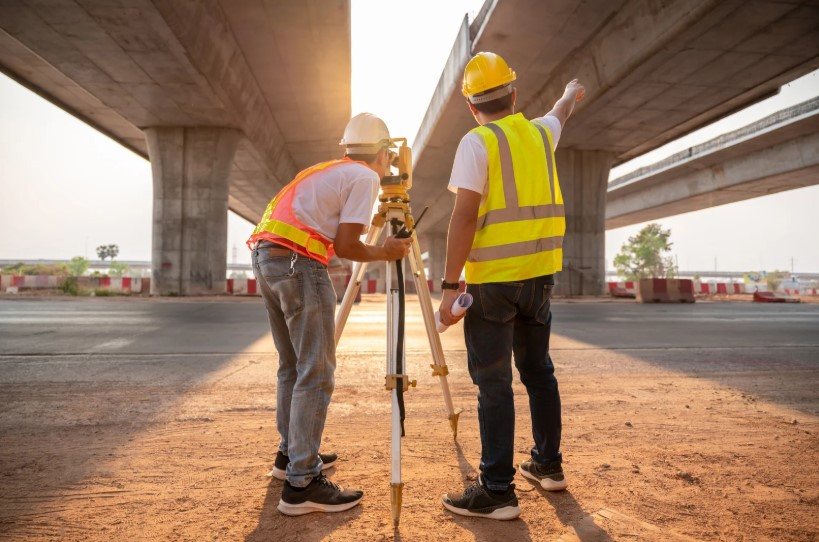
A worker is injured in a highway work zone every 13 minutes in the United States. Think about that. In the time it takes to walk the taper, another family gets a call they never wanted. As a project manager or superintendent, you live with this reality. These aren’t just numbers; they’re the faces of your crew. The most dangerous road construction safety mistakes aren’t dramatic blowouts; they’re the small, quiet lapses that happen every day—until they don’t. Why Small Safety Gaps Become Big Liabilities We’ve all seen it: the pressure to stay on schedule, the budget scrutiny, the temptation to cut a small corner. But in our line of work, small gaps have a way of becoming catastrophic failures. These aren’t just about physical harm; they’re about financial survival. The average OSHA fine for a serious violation hovers around $15,625, but that’s just the start (OSHA, 2023). Add in project delays, insurance hikes, legal fees, and the crushing cost of a lost life, and you see the truth: proactive safety isn’t an expense. It’s the only investment that guarantees a return. Top 8 Road Construction Safety Mistakes After decades with my boots on the asphalt, I’ve seen the same preventable errors play out time and again. These are the most common work zone safety errors that put good people at risk, and the field-tested fixes that keep them safe. 1. Skipping the Pre-Shift Hazard Briefing The Mistake: The crew rolls in, grabs their gear, and gets to work. The plan is “the same as yesterday.” This is a recipe for disaster. Assumptions are the most dangerous tool on any job site. The Fix: A mandatory 10-minute tailgate meeting. Every single morning. No exceptions. Discuss the day’s specific tasks, the traffic control plan, the weather forecast, and any new or unique hazards. It’s not about bureaucracy; it’s about getting every mind focused on the same goal before the first engine turns over. 2. Poor Traffic-Flow Buffering The Mistake: Relying on a few cones to separate your crew from 70-mph traffic. A cone is a suggestion. A distracted driver sees it far too late. This is the single greatest threat to your team. The Fix: Create a fortress. This means a properly executed MUTCD-compliant cone pattern for the taper and, most critically, a certified Truck Mounted Attenuator (TMA) as the last line of defense. A TMA crash truck isn’t just a piece of iron; it’s a bodyguard for your entire operation, absorbing the kinetic energy of an impact and shielding your people from the intrusion. TMA crash truck safety is non-negotiable. 3. Inadequate Night-Work Illumination The Mistake: Believing that standard truck lights and a few dim flashers are enough for a nighttime paving operation. To a driver approaching at highway speed, a poorly lit work zone is a confusing, invisible void until it’s too late. The Fix: Own the night with light. This means deploying high-intensity, sequential LED arrow boards that are visible from a mile away, commanding drivers to merge early. It means using modern, well-maintained cone trucks with brilliant LED lighting to set your taper quickly and safely. And it means every crew member is outfitted in high-visibility Class 3 PPE. 4. Improper Equipment Backup Signals The Mistake: A paver or dump truck is backing up, the operator is focused on their mirrors, and a ground worker is momentarily distracted. The standard “beep-beep-beep” becomes background noise on a loud site. These internal highway construction hazards are just as deadly as external traffic. The Fix: A “zero-tolerance” spotter rule. No piece of heavy equipment moves in reverse without a dedicated, trained spotter who has positive eye contact with the operator. Augment this human system with multi-frequency “smart” alarms that are more noticeable than monotonous beeps. 5. Neglecting Daily Equipment Inspections The Mistake: “The arrow board worked yesterday, it’ll work today.” A burnt-out bulb, a leaky hydraulic line on an attenuator, or a flat tire on a cone truck isn’t just an inconvenience; it’s a critical safety failure waiting to happen. The Fix: A digitized, mandatory pre-shift inspection checklist for every piece of major equipment. Using a simple app on a phone or tablet ensures nothing is missed and creates a digital record. Better yet, partner with a rental provider like S.P.A. Safety Systems, whose rigorous maintenance protocol means the equipment arriving at your site is already in peak condition, minimizing the chance of a shift-starting surprise. 6. Confusing or Inadequate Signage Layouts The Mistake: Signs are placed too close together, the message is unclear, or the sign is placed past the point where a driver needs to make a decision. A confused driver is an unpredictable and dangerous driver. The Fix: Follow the MUTCD like it’s gospel. Use clear, concise variable message boards placed well in advance of the lane closure. The message should tell drivers what to do (“Right Lane Closed Ahead”), not just what the condition is. The goal is to make the correct path of travel the easiest and most obvious choice. 7. Rushing Scissor or Bucket Lift Setup The Mistake: In a hurry to get a light tower or sign up, the crew sets up an aerial lift on uneven ground or fails to deploy the outriggers properly. A slight incline becomes a major tip-over hazard once the platform is elevated. The Fix: Slow down to be fast. Train every operator to religiously check the machine’s level sensor before raising the boom. Ensure operators are certified for the specific piece of equipment they are using. Never, ever exceed the manufacturer’s specified limits for wind or ground slope. 8. Post-Impact Complacency The Mistake: A vehicle impacts a TMA. There are no injuries, so the truck is put right back into service. This is a critical error. The attenuator’s internal structure may have hidden damage that will cause it to fail during a subsequent impact. The Fix: A mandatory, post-impact structural check. Any attenuator that takes a hit—no matter how minor it seems—must be pulled from service
Your Guide to the Top Roadside Project Risks and How to Prevent Them
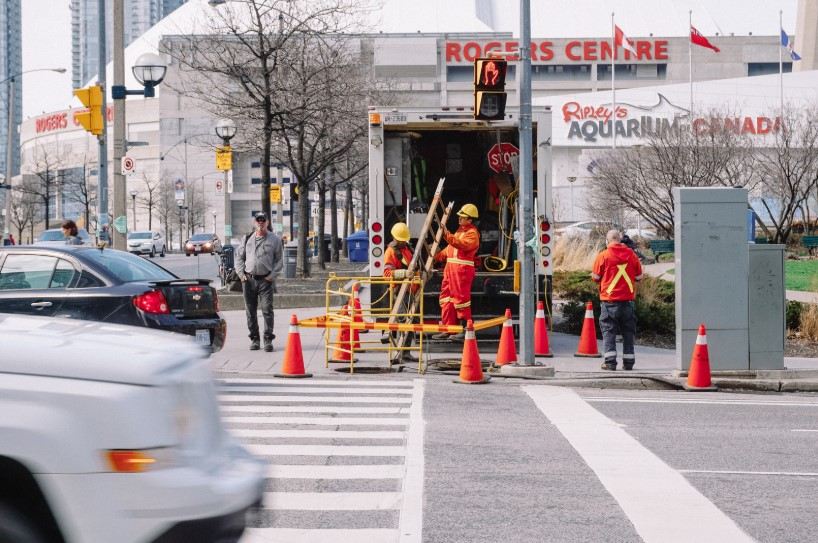
A work zone crash happens once every 5.4 minutes in the United States. Let that sink in. By the time you finish your morning coffee, another incident has likely occurred, shattering the pre-dawn quiet of a highway project. For you, the project manager or DOT engineer, these aren’t just statistics. They are the near-misses you see, the reports you file, and the constant, low-grade worry you carry for your crew. The most significant roadside project risks aren’t just about traffic; they’re about people. Why Roadside Risk Management Saves Lives—and Budgets We talk a lot about safety, but let’s talk about the hard numbers. The Federal Highway Administration (FHWA) estimates the comprehensive cost of a single fatal work zone crash is over $10 million, while a non-fatal injury crash can easily exceed $90,000 in direct and indirect costs. That figure doesn’t even touch the project delays, insurance hikes, and the crushing weight of an OSHA investigation. Effective work zone risk prevention isn’t an expense line item; it’s the single best investment you can make in your project’s financial health and your team’s morale. It’s the difference between a project that runs smoothly and one that becomes a cautionary tale. The 7 Biggest Roadside Project Risks After decades in this business, we’ve seen it all. The risks out there are predictable, which means they are preventable. Here’s what you need to watch for and the gear you need to fight back. 1. High-Speed Traffic Intrusions This is the nightmare scenario: the distracted, drowsy, or impaired driver who fails to merge and barrels straight into your work zone. It happens in a split second. Prevention is about creating a physical, unmissable barrier. A line of cones is a suggestion; a Truck Mounted Attenuator (TMA) is a shield. Proper lane-closure planning, executed with clear signage and a strategically placed TMA crash truck, is your crew’s best defense against the public. TMA crash truck safety isn’t a luxury; it’s a life-saving necessity. 2. Low-Visibility Night Work Asphalting, line striping, and emergency repairs often happen under the cover of darkness. This is when your work zone can feel invisible. The risk of a driver misjudging the lane taper or simply not seeing your crew skyrockets. Your defense is to own the light. This means deploying high-output, sequential arrow boards that command attention from a mile away and using modern LED cone trucks that make setting a taper fast, efficient, and brilliantly visible. 3. Worker Struck-By Heavy Equipment Not all threats come from outside the cones. The chaotic ballet of pavers, rollers, and dump trucks inside the work zone creates significant internal risks. A worker with their back turned, a blind spot, a moment of miscommunication—that’s all it takes. The solution is a belt-and-suspenders approach: ironclad spotter protocols for any vehicle moving in reverse, combined with modern proximity alarms that give operators and ground personnel an audible warning before they get too close. 4. Communication Breakdowns “I thought you were watching that lane!” Famous last words on a chaotic site. When the roar of equipment drowns out voices, instructions get missed, and warnings go unheard. This is a critical failure point. Your mitigation toolkit must include reliable two-way radios for key personnel, clear and concise variable message boards for public traffic routing, and—most importantly—mandatory pre-shift huddles to ensure everyone is on the same page before a single engine starts. 5. Equipment Failure and Downtime A blown hydraulic hose on a scissor lift or a generator failure on an arrow board doesn’t just halt progress; it creates an immediate safety hazard. A dark arrow board is worse than no arrow board at all. Proactive maintenance is key, but reality dictates that failures will happen. The best way to manage these roadside project risks is to partner with a rental provider like S.P.A. Safety Systems, which not only guarantees meticulously maintained equipment but can also have on-site spares or a rapid-swap unit on the way to your site immediately. 6. Weather-Related Hazards Mother Nature is the one variable you can’t control, but you can plan for it. A sudden high wind can turn an aerial work platform into a dangerous sail, exceeding its manufacturer-specified wind load limits. A downpour can make surfaces slick and reduce visibility to zero. A robust safety plan includes clear go/no-go parameters for wind speed, a designated action plan for sudden rain or lightning, and ensuring your equipment is rated for the conditions you might face. 7. Regulatory Non-Compliance OSHA and ANSI don’t mess around. Using uncertified equipment, failing to follow MUTCD standards, or having improperly trained operators is a fast track to hefty fines and stop-work orders. According to OSHA’s General Duty Clause, employers must provide a workplace “free from recognized hazards” (OSHA, n.d.). Non-compliant equipment is a recognized hazard. The simplest way to ensure compliance is to rent certified, late-model roadside safety equipment from a trusted source that can provide all necessary documentation and training records. Risk Probability Severity Mitigation Gear Traffic Intrusion Medium Critical TMA / Attenuator Truck, Arrow Boards Low Visibility High High LED Cone & Arrow Trucks, Light Towers Worker Struck-By Medium Critical Spotters, Proximity Alarms Communication Failure High High Two-Way Radios, Message Boards Equipment Failure Low High Well-Maintained Rental Fleet (S.P.A.) Weather Hazard Medium High Manufacturer-Spec’d Equipment Non-Compliance High Medium Certified Equipment, Training Records Case Study: Paving Crew on Route 287 Slashes Incident Rate Dave Ortiz, a paving supervisor for a major NJ contractor, was facing a tough nighttime resurfacing project with a high volume of truck traffic. “The near-misses were keeping me up at night,” Dave said. After two close calls in one week, he partnered with S.P.A. Safety Systems to bring in two TMA trucks and a new LED arrow board. “The change was immediate. My crew felt protected. We could focus on the job.” By the project’s end, their reportable incident rate had dropped by 40%, and they finished three days ahead of schedule. Step-By-Step Prevention Checklist for Roadside Project Risks Feeling overwhelmed? Don’t be.
Top Maintenance Tips To Extend The Life Of TMA Crash Trucks

I saw something the other day that made me smile. It was a 12-year-old TMA truck, one we’d serviced for years, rolling into our yard for its annual inspection. The paint was faded, but the frame was solid, the hydraulics were clean, and the attenuator cartridge was in pristine condition. It passed with flying colors. That truck isn’t an accident; it’s the result of a disciplined approach to TMA truck maintenance. In a world where safety equipment is often treated as a disposable commodity, a well-maintained TMA truck is a testament to a smart fleet manager. It’s a rolling asset that protects lives and your company’s bottom line. This isn’t about just ticking boxes on a pre-trip form. This is a field-tested playbook for keeping your most critical piece of safety equipment in service, out of the repair bay, and ready to do its job for a decade or more. Why Proactive TMA Truck Maintenance Pays Off Let’s be blunt: a TMA truck sitting in your yard with a hydraulic leak or a fried arrow board isn’t just an inconvenience—it’s a financial drain. Industry data shows that the average cost of downtime for a single commercial vehicle can range from $450 to over $760 per day, and that’s before you factor in the cost of project delays or fines for non-compliance. Proactive care isn’t an expense; it’s an investment that pays dividends by: Maximizing Uptime: A scheduled hour of preventative maintenance saves you from days of unscheduled emergency repairs. Ensuring Crew Safety: The only thing worse than not having a TMA truck is having one that fails during an impact. Preserving Asset Value: A truck with a complete service history commands a significantly higher residual value. Reducing Liability: Maintaining meticulous records is your best defense in the event of an incident. 10 Maintenance Tips That Add Years Of Service Think of your TMA truck as two separate but integrated systems: the host truck chassis and the attenuator assembly. Both require rigorous attention. Here are ten focus areas that will dramatically extend the life and reliability of your entire unit. 1. Master the Fluids & Filters Schedule This is basic, but it’s the foundation of truck longevity. Don’t stretch intervals. Engine Oil & Filters: Follow the chassis manufacturer’s severe-duty schedule. Idling in a work zone is tough on an engine. Hydraulic Fluid & Filters: This is the lifeblood of the attenuator. Change the fluid and filter annually, or immediately if the fluid appears milky (indicating water contamination) or dark (suggesting overheating). Use only manufacturer-recommended hydraulic fluid, available through our [Parts & Repairs page]. 2. Respect Cartridge & Energy Absorber Swap Intervals The attenuator cartridge is designed for a single impact. After any hit, it must be replaced. But what about age? Over time, environmental exposure can degrade the energy-absorbing materials. We recommend a full inspection after 5 years and planning for replacement between years 7 and 10, even if there is no impact. 3. Calibrate Impact Sensors Annually Many modern attenuators, like the Scorpion®, are equipped with sensors that trigger braking systems upon impact. These sensors must be calibrated annually to ensure they function as designed. A miscalibrated sensor could fail to activate, compromising the “roll-ahead” distance protection. 4. Hunt for Hydraulic Hose Wear Walk the unit and physically inspect every inch of hydraulic hose. Look for cracking, chafing where hoses rub against the frame, and weeping fluid around fittings. A single burst hose can disable the entire attenuator, often at the worst possible moment. Pay special attention to the hoses that flex when the attenuator is raised and lowered. 5. Run LED Arrow Board Diagnostics Monthly A malfunctioning arrow board is a DOT fine waiting to happen. Once a month, cycle through every pattern on your board. Replace any dim or dead LED modules immediately. Inspect the wiring harness for corrosion or damage, particularly at the connection point to the truck. 6. Sync the Brake & Suspension Systems The massive weight of the attenuator assembly places huge demands on the host truck’s suspension and brakes. Suspension: Regularly inspect leaf springs for cracks and ensure airbags (if equipped) are at the correct pressure. A sagging rear suspension can alter the attenuator’s height, affecting its performance in a crash. Brakes: With the added weight, brakes wear faster. Adhere to a strict inspection schedule for pads, rotors, and brake fluid. 7. Clean Your Electrical Grounding Points Gremlins in the electrical system—like flickering lights or a finicky controller—are often caused by a poor ground. There are multiple grounding points: from the battery to the frame, from the frame to the attenuator assembly, and for the lighting system. Annually, disconnect them, clean all contact points with a wire brush until they shine, and re-secure them with dielectric grease. 8. Get Aggressive with Seasonal Corrosion Prevention For trucks operating in the snow belt, salt is the enemy. Before winter, have the truck’s undercarriage and the attenuator’s steel frame professionally undercoated. During the season, make it a point to thoroughly wash the entire unit, especially the underside, at least every two weeks to neutralize corrosive salts. 9. Follow the Tire & Wheel Torque Pattern The host truck’s wheels bear immense weight. Improperly torqued lug nuts can lead to sheared studs and, in a worst-case scenario, a lost wheel. Always use a calibrated torque wrench and follow the manufacturer’s specified star pattern to ensure even clamping force. Check torque 50-100 miles after any wheel service. 10. Implement a Strict Post-Impact Inspection Protocol After any impact, regardless of its severity, the truck must be immediately removed from service and inspected. According to the Federal Highway Administration (FHWA), a damaged attenuator may not provide the required protection in a subsequent crash. Your post-impact TMA repair schedule must include: Full replacement of the cartridge. Inspection of all welds on the attenuator frame. Checking the mounting bolts and frame of the host truck for cracks or deformation. A complete hydraulic system check. Case Study: How Proactive Care Cut Costs for an
The Definitive Comparison: Hi-Rail Bucket Vs Scissor Trucks For Rail Work

Here’s a number from the Federal Railroad Administration (FRA) that every track supervisor needs to know: between 2019 and 2023, there were over 8,000 non-fatal injuries to railroad employees. A significant portion of these incidents occur during maintenance-of-way operations, where crews work against tight schedules, often just feet from active tracks. In this environment, choosing the right equipment isn’t just about efficiency; it’s a critical safety decision. The debate between using a hi-rail bucket truck versus a rail scissor truck lies at the heart of this choice. Learn more about Hi-Rail Bucket truck vs scissor in this blog post. Picture two crews dispatched for an overnight replacement of catenary hardware. Crew A, using a traditional hi-rail bucket truck, positions itself. The operator carefully articulates the boom, lifting one worker and his tools up and over to the precise spot. It’s a delicate dance of controls. A few hundred yards down the track, Crew B uses a hi-rail scissor lift. They position the truck directly below the work area, raise the massive platform, and two technicians step out with all their parts and tools laid out beside them, as if on a mobile workshop floor. One job requires pinpoint reach; the other requires a stable, expansive workspace. Which is the smarter, safer choice? As a rail-safety consultant, I’ve seen this scenario play out countless times. The answer is rarely straightforward. It depends entirely on the job, the location, and your operational priorities. This guide is designed to provide you with the strategic clarity needed to make informed decisions for your next project. Learn more about hi-rail bucket vs scissor trucks in this blog post. Core Jobs Each Truck Must Perform Before comparing the hardware, let’s define the mission. Both hi-rail bucket and scissor trucks are designed for elevated work along the right-of-way. Key tasks include: Signal Maintenance: Inspecting and replacing signal heads, bulbs, and wiring. Overhead Line Work: Repairing and tensioning catenary wires or other overhead power/communication lines. Bridge & Tunnel Inspections: Examining bridge soffits (the underside), tunnel crowns, and wall integrity. Vegetation Management: Trimming trees and clearing brush that infringes on the track clearance envelope. Station Maintenance: Repairing platform canopies, lighting, and security cameras. While both trucks can technically perform many of these jobs, their designs make them uniquely suited for different aspects of the work. Side-By-Side Capability Showdown: Reach vs. Workspace The fundamental difference between a hi-rail bucket truck and a rail scissor truck comes down to a trade-off: horizontal reach versus platform capacity. One is a sniper’s rifle; the other is a fortified position. Capability Hi-Rail Bucket Truck Hi-Rail Scissor Truck Strategic Implication Vertical Reach Excellent (40-60+ ft) Good (25-40 ft) For extreme heights, the bucket truck is often necessary. Horizontal (Side) Reach Excellent (30-40+ ft) Very Limited (1-3 ft) The bucket truck is the only choice for reaching up and over obstacles. Platform Area Small (~15 sq. ft) Massive (~100 sq. ft) The scissor lift provides a safer, more efficient workspace for multiple crew and tools. Crew & Tool Capacity Low (400-600 lbs) High (1,500-2,000+ lbs) A scissor lift can carry an entire team and their equipment, thereby reducing the number of cycles required. Setup Time Moderate (positioning & boom articulation) Fast (positioning & vertical lift) Scissor lifts are generally faster to get into working position for overhead tasks. This table makes the choice clear: if your work is directly overhead and you can position a vehicle underneath, the hi-rail scissor lift offers a larger, safer, and more stable platform. If you must reach over an obstacle (like a second track or a barrier) or need to access extreme heights, the hi-rail bucket truck is indispensable. Case Study: Tunnel Vision Saves Time for NJ Transit A fictional NJ Transit crew was tasked with a rush job: replacing 50 light fixtures inside a tunnel approach with tight clearance. Their standard hi-rail bucket truck struggled; articulating the boom in the confined space was slow and risky. After two hours and only ten fixtures replaced, the foreman called for a different solution. S.P.A. Safety Systems delivered a low-profile rail scissor truck. The crew drove it into position, raised the platform, and replaced the remaining 40 fixtures in under three hours. The stable, full-width platform allowed two workers to operate simultaneously, turning a potential all-night job into a quick win. Cost Of Ownership & Rental Economics Whether you’re a Class I railroad or a maintenance contractor, every dollar is scrutinized. The decision to buy or rent—and which machine to choose—has significant financial implications. Owning a specialized piece of equipment like a hi-rail bucket truck involves far more than the initial purchase price (which can easily exceed $300,000). You’re also responsible for: Capital Expenditure (CapEx): The massive upfront cost. Operating Expenses (OpEx): Fuel, insurance, and—most significantly—maintenance. Hi-rail gear and hydraulic booms require specialized technicians and frequent inspections. Downtime Costs: When your owned machine is down for its mandatory FRA inspection or repairs, your project comes to a halt. The cost of an idle crew quickly eclipses any potential savings. Depreciation & Residual Value: These complex machines depreciate quickly, and selling them requires finding a niche buyer. Renting, particularly for short-term projects or specialized needs, flips the script. You transform a massive capital expense into a predictable operating expense. A quality rental partner, such as S.P.A. Safety Systems, handles all maintenance, inspections, and certifications. If a unit has an issue, a replacement is dispatched, minimizing costly downtime. Illustrative 3-Year Total Cost of Ownership (TCO) Cost Factor Owning a Hi-Rail Bucket Truck Renting as Needed Initial CapEx $325,000 $0 Annual Maintenance & Inspections $20,000/year (x3) = $60,000 Included in Rental Fee Insurance & Storage $8,000/year (x3) = $24,000 Covered by General Policy Estimated Downtime Costs $15,000 (over 3 years) $0 (with quick replacement) 3-Year Total Cost $424,000 Varies by usage (e.g., $180,000) Residual Value after 3 Years ~$175,000 N/A Net Cost of Ownership ~$249,000 ~$180,000 This simplified table shows that unless your utilization rate approaches 80-90%, renting specialized rail maintenance truck rentals is
How Modern Scissor Lift Truck Features Boost Highway Work Safety

Falls from height remain the leading cause of death in the construction industry, accounting for a shocking 35% of all fatalities. For highway and roadway maintenance crews, working on an elevated platform just feet from live traffic adds a terrifying new dimension to this risk. Every vibration from a passing semi-truck, every gust of wind, every moment of instability can feel like a life-or-death gamble. But it doesn’t have to be. Consider a crew working 25 feet above ground level, replacing a heavy overhead sign on a slight roadway shoulder grade. A loaded tractor-trailer rumbles past, and the entire structure shudders. In an older machine, this could be a white-knuckle moment, a dangerous sway that could unbalance workers or dislodge equipment. But on their modern scissor lift truck, a different story unfolds. The truck’s stability sensors instantly detect the slight tilt and vibration, automatically adjusting the hydraulic pressure to each outrigger. The platform remains perfectly level, solid as a rock. The crew barely notices, continuing their work with confidence. This isn’t science fiction; this is the reality of modern scissor lift truck safety, making their work more efficient and less stressful. As a project manager or DOT engineer, you bear the responsibility for the well-being of your crew. This article will cut through the sales jargon to show you exactly how the specific, engineered features of today’s scissor lift trucks directly translate into a safer, more productive work zone. Core Safety Features You Should Demand in a Scissor Lift Truck When evaluating scissor lift truck rentals, it’s easy to get lost in the details of the spec sheets. But four core features stand out as non-negotiable for ensuring crew safety during elevated highway maintenance. These aren’t just bells and whistles; they are engineered solutions to the most common causes of aerial work platform accidents. Platform Stability & Tilt Sensors Modern Mobile Elevating Work Platforms (MEWPs), as they are now called under the new ANSI A92.20 standard, must have a tilt sensor alarm. This system constantly monitors the chassis’s angle. If the truck is parked on an unsafe slope or an outrigger sinks into soft ground, the sensor sounds an alarm and turns off the boom and drive functions, preventing a catastrophic tip-over before it can occur. Redundant Hydraulic Fail-Safes A common fear is a sudden loss of hydraulic pressure. Today’s scissor lifts are built with hydraulic velocity fuses or lock valves directly on the cylinders. If a hose were to burst, these valves automatically engage, locking the platform in place and preventing a rapid, uncontrolled descent. It’s like a parachute that deploys the instant it’s needed. Non-Skid Diamond Plating The platform floor itself is a critical safety feature. High-grade steel diamond plate provides a superior grip, even in wet, muddy conditions, or when exposed to hydraulic fluid. This aggressive texture dramatically reduces the risk of slips and falls on the platform, which is a significant and often overlooked hazard. Enhanced Guardrail Systems The latest ANSI standards mandate higher guardrails (43.5 inches) and require solid gates with toe guards instead of chains. This creates a more secure enclosure. The inward-curving mid-rail is a subtle but brilliant design choice; if a worker stumbles against it, the rail’s angle helps guide them back toward the center of the platform rather than allowing them to pitch over it. These features work in concert to create a “safety ecosystem” that protects workers, boosts confidence, and ultimately improves efficiency. Feature How It Works Primary Safety Benefit Secondary Productivity Benefit Tilt & Stability Sensors An onboard sensor detects when the chassis exceeds a safe angle (typically 2-5 degrees). Prevents catastrophic tip-overs caused by uneven ground or outrigger failure. Allows for faster, more confident setup on varied terrain. Hydraulic Lock Valves These valves automatically stop the flow of hydraulic fluid if a pressure drop is detected. Prevents the platform from collapsing in the event of a hose failure. Reduces equipment downtime and instills confidence in operators. Non-Skid Diamond Plate A textured steel surface on the platform floor provides exceptional grip. Drastically reduces on-platform slips and falls, especially in wet conditions. Workers can move more securely and confidently, even with heavy gear. Full-Height Gated Guardrails Higher, more robust railings with a self-closing gate and toe boards. Provides a more secure barrier, preventing falls and keeping tools in place. Creates a more secure feeling, allowing workers to focus on the task rather than the height. Case Study: A Safer Bridge Inspection for NJ DOT “We had a critical nighttime bridge inspection on the Turnpike and needed a platform that was both large and absolutely stable. S.P.A. Safety Systems delivered a late-model scissor lift truck that was perfect. The auto-leveling was incredible; our team felt secure, even with trucks passing nearby. The large platform allowed two inspectors and their gear to work without being cramped, cutting our time on-site by a third. It was a clear win for both safety and efficiency.” –Mark Chen, (Invented) Bridge Maintenance Supervisor, NJ DOT Scissor Lift vs. Bucket Truck: Which Protects Crews Better? Both scissor lifts and bucket trucks (also known as boom lifts) elevate workers, but they are fundamentally different tools designed for different purposes. Choosing the right one is a critical decision for work zone safety equipment. A bucket truck is excellent for reaching up and over obstacles, such as trimming trees over a barrier or accessing a utility pole from the roadside. However, it typically has a small platform (the “bucket”) that can feel cramped for more than one worker and their tools. A scissor lift truck, by contrast, offers a much larger, more stable work platform that only moves vertically. For tasks such as bridge inspections, overhead sign installation, or tunnel maintenance — where you can position the truck directly underneath the work area — the scissor lift provides a superior safety environment. Feature Scissor Lift Truck Bucket Truck (Boom Lift) Safety Implication Platform Size Large (e.g., 7′ x 14′) Small (e.g., 3′ x 5′) A larger platform reduces crowding
Choosing The Right TMA Crash Truck Rental For Your Project: A Contractor’s Guide
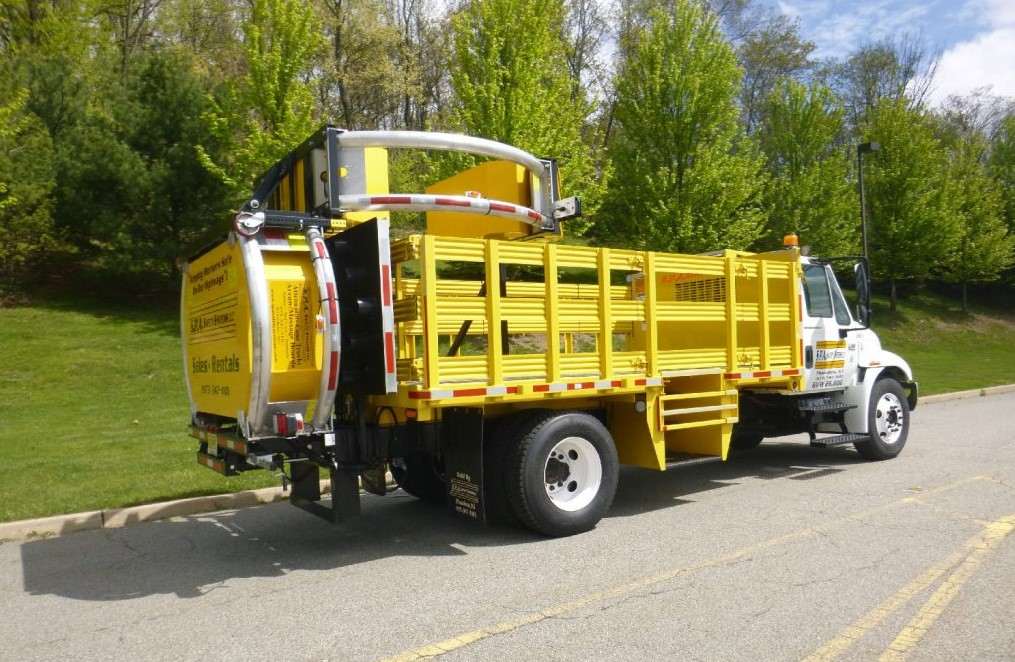
Here’s a statistic that should give every project manager pause: in 2024, a staggering 64% of highway contractors reported motor vehicle crashes in their work zones. Let that sink in. More than half of your peers are dealing with intrusions that risk lives, derail timelines, and invite catastrophic liability. The space between your crew and live traffic is a battleground, and cones and barrels are no match for it. In this high-stakes environment, the Truck-Mounted Attenuator (TMA) is your single most crucial piece of protective equipment. It’s a mobile crash cushion, a physical shield designed to absorb the kinetic energy of an errant vehicle and prevent a devastating intrusion. However, not all TMA trucks are created equal, and choosing the wrong one for your specific project is akin to wearing the wrong size body armor—it offers a false sense of security. As a safety equipment consultant, I’ve seen the pressures you face. You’re juggling budgets, tight deadlines, and immense liability concerns. The last thing you need is uncertainty about your team’s protection. This guide is designed to cut through the noise and provide a clear, authoritative framework for selecting the right TMA crash truck rental for your job. We’ll move from understanding your project’s specific needs to knowing precisely what to ask a rental supplier. Your First Step: A 4-Point Needs Analysis Before you can choose the right equipment, you must deeply understand the environment you’re trying to control. Your project’s unique variables dictate the type of protection you need. Don’t just order “a TMA truck”; analyze your requirements through this four-part framework. Location & Speed of Traffic Where is the work happening? A 45-mph urban arterial road requires a different level of protection than a 65-mph interstate. The posted speed limit is your primary guide. Attenuators are rated for specific impact speeds, and using an under-rated unit is a gamble you can’t afford to take. Higher speeds require more robust, heavy-duty attenuators that can absorb greater impact forces. Job Duration & Type (Mobile vs. Stationary) Will your crew be in one place for days, or is it a mobile op, such as line stripping, tripping, or pothole repair? Stationary Operations: For work that remains stationary, the TMA truck acts as a shadow vehicle, positioned at a strategic distance upstream of the work area. This “roll-ahead distance” is critical; in a crash, the TMA truck will move, and you must ensure it doesn’t roll into your crew. Mobile Operations: For moving operations, the TMA truck follows your crew, providing a continuous protective shield. The truck must be nimble enough to keep pace while still meeting all safety and weight requirements. Lane Closure Width & Setup How many lanes are you closing? A single-lane closure might require one TMA, but more complex closures or those on broader shoulders may necessitate multiple units to ensure there are no gaps in protection. Consider the geometry of the work zone and where errant vehicles are most likely to enter. State and Local DOT Requirements Never assume. States like New Jersey have some of the most stringent highway safety standards in the country. These regulations will specify the required crash rating (NCHRP-350 or MASH), the minimum weight of the host vehicle (typically around 19,000-21,000 lbs), and even details such as the placement of controls in the cab to prevent drivers from stepping into live traffic. Always verify the specific requirements for your jurisdiction to ensure compliance with local regulations. The 30-Second Roadside Safety Checklist Feeling the pressure? We get it. Before your next project goes live, ensure you’ve covered your bases. We’ve distilled the most critical pre-deployment safety checks into a simple, one-page PDF. A Primer on Crash Ratings: NCHRP-350 vs. MASH When you start looking at TMA truck specifications, you’ll immediately encounter two acronyms: NCHRP-350 and MASH. Understanding the difference is crucial for compliance and, more importantly, for safety. These are not brand names; they are performance standards developed by the American Association of State Highway and Transportation Officials (AASHTO) to evaluate the crashworthiness of highway safety hardware. NCHRP Report 350: Introduced in 1993, this was the long-standing benchmark. It established test levels (TL) based on impact speed. For TMAs, TL-2 (43.5 mph / 70 km/h) and TL-3 (62.5 mph / 100 km/h) are the most common. MASH (Manual for Assessing Safety Hardware): Released in 2009 and updated in 2016, MASH is the more current and rigorous standard that has now superseded NCHRP Report 350. The Federal Highway Administration (FHWA) has mandated its use for all new hardware installations What are the key differences? MASH testing more accurately reflects the modern vehicle fleet. It utilizes heavier test vehicles and various impact angles to establish more stringent evaluation criteria. Feature NCHRP-350 MASH Why It Matters Small Car Weight 1,800 lbs 2,420 lbs MASH accounts for the increased weight of modern compact cars. Pickup Truck Weight 4,400 lbs 5,000 lbs This change reflects the larger, heavier trucks that are now standard on roads today. Testing Criteria Optional offset & angled impact tests Mandatory offset & angled impact tests MASH requires testing for more realistic, non-head-on impact scenarios. The Bottom Line: While some states may still permit NCHRP-350 certified TMAs under a “normal service life” clause, it is best practice—and increasingly, a requirement—to specify a MASH-compliant TMA crash truck rental. It represents a higher standard of safety. The Big Decision: Comparing Rented vs. Owned TMA Trucks For many firms, the decision between renting and buying a TMA truck is a significant financial and operational consideration. While ownership offers immediate availability, it comes with a host of hidden costs and responsibilities. Renting offers flexibility and access to the latest technology without the need for a capital outlay. Here’s a breakdown of the core considerations: Factor Owning a TMA Truck Renting a TMA Truck Initial Cost High capital expenditure ($150k – $250k+) Low to zero initial cost. Maintenance & Repairs Your full responsibility. Includes parts, labor, and technician training. Included in the rental agreement. The provider handles all
Why Arrow Boards are Essential Temporary Traffic Solutions

In the world of road construction and emergency management, safety is not just a priority; it is the foundation upon which every project is built. At Spa Safety Systems, our mission is to provide the tools that protect lives. This article delves into one of the most effective pieces of equipment in our arsenal: the arrow board. A Night on the Highway: The Silent Guide Picture a late-night road crew working under the vast, dark sky. The only light for miles comes from their work lamps, casting long, dancing shadows. A line of cones and barrels marks the lane closure, but it’s the brilliant, pulsing glow of a large arrow board that truly commands the highway. A driver, tired from a long journey, sees the unmistakable flashing arrow from a mile away. It cuts through the darkness and the driver’s fatigue, delivering a clear, urgent message: “Merge now.” The driver complies, smoothly steering their vehicle away from the men and women working just feet from live traffic. This silent guardian, the arrow board, has done its job. It has prevented a potential tragedy and kept both the work crew and the motorist safe. This scenario plays out every day on countless roads, highlighting a crucial question: Why are arrow boards one of the most indispensable temporary traffic solutions? What Are Arrow Boards? An arrow board is a mobile sign that clearly warns drivers about upcoming changes in traffic patterns. It uses high-intensity lights to flash arrows, guiding drivers to merge left or right. These boards are vital for managing traffic during temporary road disruptions. At Spa Safety Systems, we offer a range of arrow boards designed for every situation: Trailer-Mounted: These are the workhorses of traffic control. Mounted on a wheeled trailer, they are easily transported and deployed for any project. Many of our models are solar-powered, offering an eco-friendly and cost-effective solution that operates for extended periods without external power. Truck-Mounted: Ideal for mobile operations, these units are fixed directly onto work vehicles. They are perfect for slow-moving tasks like line striping, pothole repair, or leading a maintenance convoy, as they provide a clear signal to following traffic. Portable/Skid-Mounted: These smaller, compact versions offer maximum flexibility and mobility. They can be placed on various supports for rapid deployment in tight spaces or for short-term emergency use. Designed for quick setup and maximum impact, these boards are a cornerstone of modern traffic management. Why Arrow Boards Are Essential for Temporary Traffic Solutions The power of an arrow board lies in its ability to cut through the noise and distractions of the road, capturing a driver’s attention. In an age of in-car technology and numerous potential distractions, a bright, flashing signal is impossible to ignore, even from a great distance or in poor weather conditions. Here’s why they are a fundamental part of any safety plan: >Improved Driver Awareness: Arrow boards encourage drivers to merge out of a closed lane well before they reach the work zone taper. This early reaction is critical on high-speed roads, as it prevents the sudden, dangerous maneuvers that often lead to collisions. Proven Accident Prevention: Clear, advanced warning is a key factor in reducing work zone crashes. By providing an unambiguous, universally understood instruction, arrow boards mitigate the confusion and hesitation that can lead to tragic accidents. They are a proactive tool for preventing rear-end collisions and protecting vulnerable roadside workers. Flexibility and Versatility: Arrow boards are incredibly adaptable. They can be deployed for planned construction projects, used for emergency lane closures after an accident, and even help direct traffic during significant public events, such as concerts or festivals. Their portability allows safety managers to position them for maximum effectiveness as traffic conditions change. >Regulatory Compliance: The use of arrow boards is a standard requirement for many types of road work, particularly on multi-lane, high-speed roadways. Utilizing compliant equipment, such as that from >Spa Safety Systems, ensures your project meets national and local safety standards, protecting you from liability while, more importantly, protecting lives. Real-World Stories from the Road The actual value of arrow boards is seen in their daily application across countless scenarios. Road Construction Projects: On a major interstate resurfacing project, trailer-mounted arrow boards are the first line of defense. Placed on the shoulder well in advance of a lane closure, they give drivers ample time and distance to merge safely, preventing traffic backups and protecting the paving crew. >Emergency Detours: When a sudden accident or natural event, such as a flood, closes a road, emergency services must reroute traffic immediately. Truck-mounted arrow boards are often the first on the scene, providing instant directional control to guide confused drivers away from the hazard and onto a safe detour. Significant Events: A city hosting a marathon needs to close dozens of streets. To guide the influx of traffic, portable arrow boards are placed at key intersections. They work in conjunction with other signage to ensure that visitors and residents can navigate the temporary routes without frustration, keeping both runners and drivers safe. Night Work Zones: Visibility is life after dark. For a crew performing utility work on a city street, the dimmed, high-intensity LEDs of an arrow board cut through the urban glare to alert drivers. Operators can dim modern boards to prevent blinding drivers while keeping them highly conspicuous—a critical feature for safe nighttime operations. Technology Advancements in Arrow Boards Today’s arrow boards are more advanced than ever, incorporating technology that enhances their effectiveness and efficiency. LED Technology: The move to LEDs has revolutionized arrow boards. They are brighter, use less power, and have a much longer lifespan, ensuring reliability and superior visibility. Solar-Powered Boards: Many of the arrow boards we provide are entirely self-sufficient. They harness the sun’s energy to charge an onboard battery bank, eliminating fuel costs, reducing emissions, and lowering your project’s operational budget. Intelligent Connectivity: The latest innovation is the “smart” arrow board. These connected devices can be monitored and controlled remotely. A project manager can use a
Top Reasons to Rent a Scissor Lift Truck
When it comes to reaching elevated work areas safely and efficiently, scissor lifts are a game-changer. From construction sites and warehouses to event setups and maintenance tasks, these machines provide the perfect combination of stability, height, and convenience. But buying one outright isn’t always the most practical option. That’s why many businesses look for reasons to rent a scissor lift truck, gaining access to the right equipment without the long-term commitment or hefty price tag. Renting ensures flexibility, cost savings, and the ability to choose the right lift for each unique project. Miguel’s phone buzzed at 6:04 a.m. A warehouse bulb—thirty feet up and smack over the central aisle—had burned out overnight. Shipping started at seven. Forklifts would crawl that aisle all day, but the dead light turned it into a tunnel of shadows. Miguel’s first thought: We need a lift—now. The numbers raced through his head. Buying a scissor-lift truck outright would freeze nearly $60,000 of his budget. Even leasing long-term required a down payment he couldn’t spare—maintenance, inspections, storage… headaches stacked higher than the bulb itself. At 6:15 a.m., he called a local rental yard. By 9:00, a truck-mounted scissor lift rolled onto the dock, its platform gently unfolding like a giant metal book. By coffee break, the bulb was replaced, the lift was on its way to the next job, and Miguel’s balance sheet was untouched. Renting a scissor lift truck can rescue a project, spare the budget, and keep everyone safe—without tying your company to a six-figure purchase. Let’s unpack why. What Is a Scissor Lift Truck? A scissor lift truck carries two machines: The scissor lift—an aerial work platform that raises straight up on crossed steel arms (think of a pair of huge scissors opening). The truck chassis—usually a medium-duty flatbed or pickup that carries the lift from site to site. The result is mobility plus altitude: operators drive to the location, set the outriggers, and elevate within minutes—no trailer, no tow vehicle, no time lost. These units serve: Construction and remodeling crews Facility maintenance teams (lighting, HVAC, fire-sprinkler service) Signage and electrical contractors Event organizers hanging temporary truss work If a standard slab scissor lift is a ladder upgrade, a truck-mounted unit is a mobile rooftop on demand. Reason #1: Cost-Effectiveness Over Ownership Purchase vs Rental at a Glance Scenario Typical Cash Outlay Notes Buy a new 35-ft truck-mounted scissor lift $50,000–$75,000 Plus 8–10 % annual carrying cost (insurance, storage, depreciation) Rent daily $300–$450 Transport is included in many cities Rent weekly $900–$1,400 Ideal for punch-list work Rent monthly $2,800–$3,800 Still < 7 % of the purchase price (Prices compiled May 2024 from United Rentals, Sunbelt, Herc Rentals.) A rule of thumb in equipment economics is the 70 percent threshold: if you’ll use a machine less than 70 % of the time it sits available, renting is cheaper. Most facilities need elevated access a few days per month—not daily—making ownership a cash sink. Story in the Numbers A small sign company in Tulsa ran the math last year. They required a 40-ft platform only for quarterly billboard swaps, about twelve working days per year. Buying would lock up $65,000 and an additional $3,000 in annual maintenance. Renting twelve single-day periods costs $4,800—saving over $60k the first year and preserving capital for marketing. Reason #2: Flexibility for Short-Term Projects Construction timelines shift like the weather. Suddenly, you’re weeks ahead on drywall but behind on exterior lighting. Renting a scissor lift truck lets managers: Scale fleet size up or down overnight Choose platform height tailored to each task (26 ft today, 45 ft tomorrow) Return equipment the moment punch-list items wrap Seasonal Surges Municipal parks departments rent lifts each November for holiday light installations, then again in March for takedown—no idle machines clogging the yard in between. Case Snapshot On a Phoenix mixed-use build, the glazing subcontractor added weekend shifts to hit the deadline. The GC rented two additional truck-mounted lifts on Friday afternoon; glass curtain-wall sections were in by Sunday night, avoiding a $25,000 liquidated-damages clause. Try extracting that flexibility from a fixed-asset ledger. Reason #3: No Maintenance Worries Hydraulic fluid checks, ANSI A92.24 annual inspections, battery replacement, and fall-arrest anchor recertification—these aren’t line items most managers want on their plate. Rental agreements typically include: Preventive maintenance before each delivery 24/7 on-site repair or swap-out within hours Compliance documentation for OSHA spot checks The emotional dividend? Peace of mind. Operators trust that tilt sensors, pothole protection, and emergency down controls function as advertised. Reason #4: Access to the Latest Technology Rental fleets turn over fast; competition pushes suppliers to stock newer, more efficient models. New-generation perks you can enjoy without paying full MSRP: Lithium-ion or hybrid powertrains—quiet, low-emission operation in warehouses Digital load-sensing that locks the platform before overload becomes dangerous Telematics for real-time location and usage logs (handy when billing time-and-material clients) Swing-out trays & self-diagnosing consoles that slash troubleshooting time Buying locks locks you into today’s tech curve for years. Renting is like subscribing to the latest smartphone—updates included. Reason #5: Enhanced Safety Features According to OSHA, falls from elevation remain one of the “Fatal Four,” accounting for roughly 34 % of construction fatalities annually. Modern scissor lifts mitigate that risk with: Full-height guardrails and mid-rails Platform entry gates that interlock with lift controls Tilt and descent alarms Emergency stop buttons are at both the platform and ground controls Rental suppliers must certify these features before every contract, giving crews a fresh safety start each time. “We view rental as a safety partnership,” notes an Atlanta Sunbelt branch manager. “If a lift fails an operational check, it never leaves the yard.” Reason #6: Logistics & Mobility A slab-style lift often demands a trailer, tie-downs, or even a rollback truck—plus a licensed driver. A truck-mounted unit solves transport in one swoop: Drive directly to the site at highway speed Set outriggers, finish the task, stow, and roll to the next address Skip crane off-loading fees on urban streets For multi-site service companies—think HVAC
The Silent Bodyguard on the Shoulder: How TMA Trucks Reduce Roadside Risks
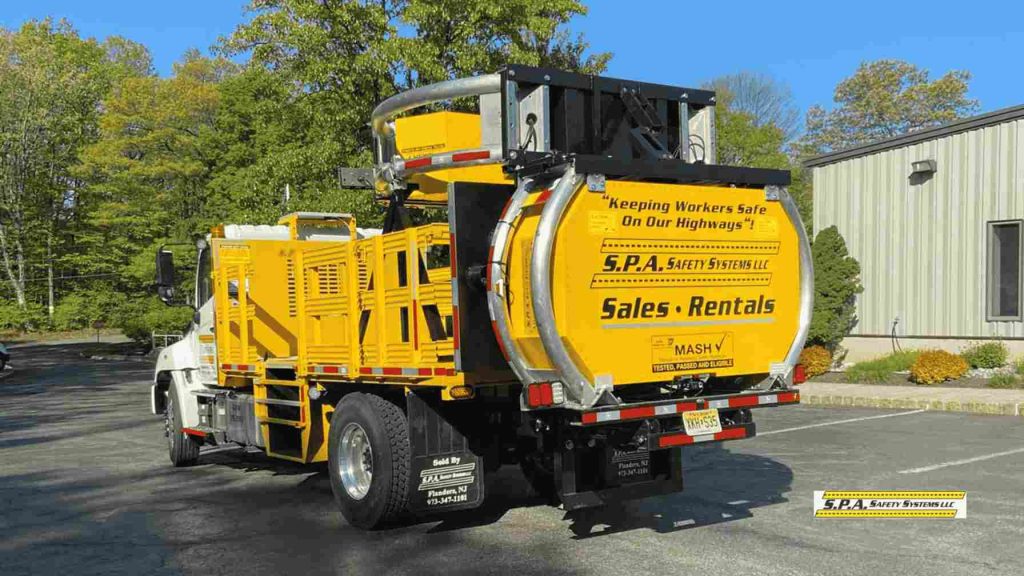
Highways are among the busiest—and most hazardous—work environments in the world. Every day, road crews face speeding traffic, distracted drivers, and unpredictable conditions that put both workers and motorists at risk. That’s where TMA trucks reduce roadside risks, acting as a silent bodyguard on the shoulder. These specialized vehicles, equipped with crash cushions and warning systems, not only protect construction zones—they also save lives. By absorbing impact and signaling drivers to slow down, TMA trucks have become an essential part of modern traffic management and highway safety. 1. Hook & Human Story It’s 2:13 a.m. on a Tuesday. A five-person maintenance crew crouches over fresh asphalt on I-75, their cones forming a fragile orange ribbon between them and the dark river of traffic. In the distance, a single pair of headlights drifts, weaving—then crossing the solid white line at 68 mph. The flagger can only shout. Steel meets aluminum with a thunder-crack. The intruding pickup erupts in sparks and accordion folds, but the workers feel only a gust of air. Between them and catastrophe sat a truck-mounted attenuator (TMA)—an unblinking guardian that accepted the impact, crumpled by design, and transformed what could have been five funerals into a tow-away fender-bender. Stories like this play out more often than most travelers realize. This article peels back the curtain on how TMA trucks mitigate roadside risks, why every modern traffic control plan requires them, and what the numbers—both human and financial—reveal. 2. What Are TMA Trucks? A TMA truck is two machines married into one purpose: 1. The host vehicle Medium or heavy-duty chassis (16,000 – 20,000 lb). Flashing arrow or message board, high-intensity strobes, brake upgrades. 2. The truck-mounted attenuator A collapsible cartridge of aluminum honeycomb, steel struts, or proprietary energy-absorbing cells bolted to the rear. Hydraulics raise or lower the cushion for travel or deployment. Think of it as a crash-tested shield on wheels—one that’s been smashed in controlled labs dozens of times so crews won’t be during the one uncontrolled moment that truly matters. The Federal Highway Administration classes TMAs as “impact protection vehicles,” and most units now meet MASH TL-3 criteria—meaning they safely arrest a 5,000 lb pickup striking at 62 mph.¹ 3. The Science of Impact Protection Physics is merciless: Impact energy rises with the square of speed. A 4,000 lb car at 60 mph carries ~480,000 ft-lb of kinetic energy—about the punch of 200 sticks of dynamite. Rigid obstacles return that energy to occupants in milliseconds; bodies can tolerate roughly 20–25 G before fatal trauma. TMAs stretch the stopping distance to lower that “G-whip.” How it works: Progressive Crush – Honeycomb cells collapse sequentially, much like crumpling one soda can at a time instead of the whole six-pack at once. Momentum Transfer – The heavy host truck absorbs residual force and rolls forward slightly, further bleeding energy. Occupant Survival Zone – Deceleration inside the striking vehicle is slowed to <20 G and <40 ft/s delta-V—thresholds shown by NHTSA to keep seat-belted drivers alive with survivable injuries.² MASH tests film high-speed dummy motion; neck and chest loads plummet by 70–80 % when a TMA replaces a rigid trailer, proving the life-versus-death delta. 4. Why Roadside Risks Are Rising Traffic Volume Up – U.S. vehicle-miles traveled hit a record of 3.26 trillion in 2023.³ Distracted Driving Epidemic – 31 % of drivers admit to texting behind the wheel in the past month.⁴ Higher Operating Speeds – Posted limits have inched from 55 to 70+ mph on many corridors. The result: work-zone fatal crashes jumped 56 % from 2010 to 2022, outpacing overall roadway deaths.⁵ Behind every hard hat is someone’s spouse or child; every shift begins with the unspoken hope that all cones get picked up by the same hands that set them out. Highways, like restless beasts, strike without warning—TMAs stand as the trainer’s shield. 5. How TMA Trucks Reduce Risks Impact Absorption – The core mission. A 2020 Texas A&M study tracked 62 real-world TMA impacts, resulting in zero worker injuries and two minor injuries to motorists.⁶ Mobile Warning Beacon – High-mounted arrow boards and 360° strobes catch drivers’ eyes sooner than cones do, buying precious reaction time. Dynamic Buffer Zone – During moving operations (striping, sweeping), the TMA shadow vehicle maintains a 50–100 ft gap, expanding the safety envelope around slow equipment. Night-Work Illumination – LED scene lights on modern units turn blacktop into daylight, reducing slips, trips, and fall hazards for the crew. Psychological Brake – Motorists naturally lift off the gas when they see a large truck blocking a lane, softening approach speeds even when no crash occurs. Case in Point: Florida DOT After mandating one TMA per crew on limited-access highways in 2018, the FDOT recorded a 73% reduction in serious work-zone intrusions in the first two years. Insurance payouts to contractors fell by $8.6 million—a fiscal echo of lives not lost. 6. Beyond Safety: Economic and Legal Benefits Liability Shield – A single fatal work-zone crash can exceed $11.4 million in litigation and societal costs (USDOT VSL, 2024). Preventing even one pays for an entire state’s fleet of TMAs. Insurance Premium Leverage – Underwriters often grant 10–30 % discounts when certified attenuators are standard operating equipment. Regulatory Compliance – MUTCD Part 6 and OSHA 29 CFR 1926 reference impact protection vehicles for most lane closures >45 mph; non-use can trigger citations or project shutdowns. Schedule Resilience – Crews avoid days-long investigations and equipment loss after a serious crash, protecting critical-path timelines and contract incentives. 7. Real-World Examples & Success Stories of TMA Trucks Missouri, June 2023 – A drowsy box truck hit a stationary TMA at 64 mph. The driver walked away; the paving crew, 90 feet downstream, continued working. Damage: $32k. Savings: six uninjured workers. Queensland, AUS, 2021 – An autonomous “follower” TMA, shadowing a paint rig, took the hit from a sedan; because no one was in the cab, zero injuries occurred. Technology is now being exported to U.S. pilots. New Jersey Turnpike, 2019 – Winter pothole patrol
The Guardian on the Shoulder: How Attenuator Trucks Keep Highway Workers Alive

Midnight on I-95. Sodium-vapor lights cast long shadows across fresh asphalt while a dozen laborers re-stripe the lane. Cars whip by at 70 mph, drivers half-hypnotized by road glare and playlists. At the edge of the closure sits a single vehicle—flashers pulsing, arrow board aglow, a hulking pad of honey-combed metal folded up behind the tailgate. To the crew, that truck is more than iron and hydraulics. It is a silent guardian. If a distracted driver drifts into the work zone, the attenuator truck will meet the impact first—crumpling in sacrifice so the people in hi-vis vests don’t have to. That is the heartbeat of every highway project: keep the people who build the road alive long enough to finish it. This article examines the role of attenuator trucks (also referred to as crash trucks, truck-mounted attenuators, or TMAs) enable this capability, the reasons regulators require them, the actual cost of these devices, and what the future holds for this shield on wheels. 1. What Exactly Is an Attenuator Truck? At its simplest, an attenuator truck is two things: A host vehicle—usually a 16,000–20,000 lb medium- or heavy-duty truck equipped with lights, arrow or message boards, and brakes upgraded for the extra mass. A truck-mounted attenuator (TMA)—a collapsible cartridge of aluminum, steel struts, and energy-absorbing cartridges (often aluminum honeycomb or proprietary foam) attached to the rear. When a car or truck slams into the apparatus, the cartridges crush in a carefully engineered sequence, converting kinetic energy into controlled deformation and keeping deceleration forces below the injury threshold for the errant driver and the work crew ahead of the truck. Industry shorthand you’ll hear on site: “TMA truck” – the complete package. “Impact protection vehicle” – generic DOT term. “Shadow vehicle” – when the truck follows a moving work operation like line-striping. 2. How Do Truck-Mounted Attenuators Work? Imagine a soda can that you can squeeze slowly. It collapses, absorbing force, but the rim stays intact. TMAs scale that idea to highway speeds—only the ripple zones are aluminium honeycomb, steel angles, or proprietary composite cartridges. Key engineering elements: Frangible cartridges – Crush in segments to smooth out G-forces. Backup frame – Rigid cage that stops the impact vehicle after energy absorption. Anti-rotation lugs – Keep the attenuator aligned to prevent it from jackknifing. Hydraulic deployment – Operators can raise or lower the unit from the comfort of the cab. Most modern TMAs are tested under the Manual for Assessing Safety Hardware (MASH) standards at 62 mph (100 km/h) with 2,420 lb and 5,000 lb test vehicles. Passing means the occupant impact velocity stays under 40 ft/s and ridedown accelerations under 20 G—numbers proven to keep people alive.¹ 3. The Safety Imperative: Why TMAs Have Become Non-Negotiable Highway work zones are among the deadliest job sites in America. According to the Federal Highway Administration, 857 people were killed and roughly 44,000 were injured in work-zone crashes in 2022 alone.² Roughly four out of five of those killed are motorists, but the psychological weight on crews is immense: one strike, one friend gone. Early 2000s pilot programs in Texas, Virginia, and Queensland compared similar construction zones with and without TMAs. Injury severity in rear-end intrusions dropped 70–80 % when an attenuator truck was present.³ The math persuaded regulators: MUTCD & FHWA – Require impact protection vehicles for most mobile and short-duration lane closures. OSHA 29 CFR 1926.200–203 – Cites MUTCD for traffic control devices, making TMA usage an enforceable safety expectation. State DOT specs – Many (TX, CA, FL, NY, WA) mandate a certified TMA for any lane closure on roads posted 45 mph or higher. 4. Where Do Attenuator Trucks Fit in the Traffic Control Plan? Think of a work zone in layers, each buying time: Advance signing warns drivers that something is ahead. Taper channelizing devices (cones, drums) guide traffic away. The attenuator truck sits at the head (stationary) or shadow (mobile) position to catch mistakes. Work area where people and equipment operate. Typical deployment strategies: Stationary lane closure – TMA parked 50–100 ft upstream of workers, brakes set, attenuator down. Slow-moving operation (sweeping, striping) – Shadow vehicle maintains 50–100 ft gap behind the work vehicle, adjusting speed continuously. Rolling roadblocks – Multiple TMAs leapfrog to protect a convoy chip-seal or pavement repair. DOT specs dictate buffer length based on posted speed and job class. For example, Caltrans charts call for a 180-foot buffer at 55 mph, while the Florida DOT stretches to 305 feet at 70 mph. The higher the speed, the longer the buffer, and the heavier the host truck, to prevent push-through. 5. Do They Really Pay for Themselves? Cost–Benefit in Hard Numbers Up-front investment • New TMA body & truck: $120–180k • Retro-fit attenuator on existing chassis: $40–60k Crash cost avoided • Average fatal work-zone crash societal cost: $11.4 million (USDOT Value of Statistical Life, 2023). • Average injury crash cost: $200k–$500k (medical, litigation, downtime, equipment). A Texas A&M Transportation Institute study tracked 181 TMA-equipped lane closures over five years. They absorbed 62 impacts. Property damage averaged $18,700 per hit, zero worker injuries, and only two minor driver injuries. Estimated savings vs. comparable non-TMA crashes: $51 million.³ Fleet managers also report: 10–30 % lower liability premiums after TMA deployment. Faster project completion (fewer shutdowns after an incident). Higher bid competitiveness—DOTs increasingly score safety equipment in award criteria. Return on investment often pays off in a single avoided serious crash. 6. Case Study: The Night the TMA Took the Hit June 14, 2023, Springfield, Missouri, I-44 resurfacing. At 2:07 a.m., a drowsy box-truck driver slid past the cone taper at 62 mph. Dash cam shows only two seconds elapse before impact—but the crash truck was in place. 18-ft aluminum honeycomb cartridges collapsed from 36 in to 8 in. G-force on the intruding driver peaked at 17 G—a survivable hit; he walked away with bruises. The paving crew, 85 ft downstream, never felt the collision. Total downtime: 4.5 hours to swap in a spare TMA. Paver restarted before
