There is a specific kind of dread that comes with working on a highway. You’re pouring concrete or painting lines, your back turned to traffic, trusting a few plastic cones to keep you safe while 80,000-pound semis scream past at seventy miles an hour.
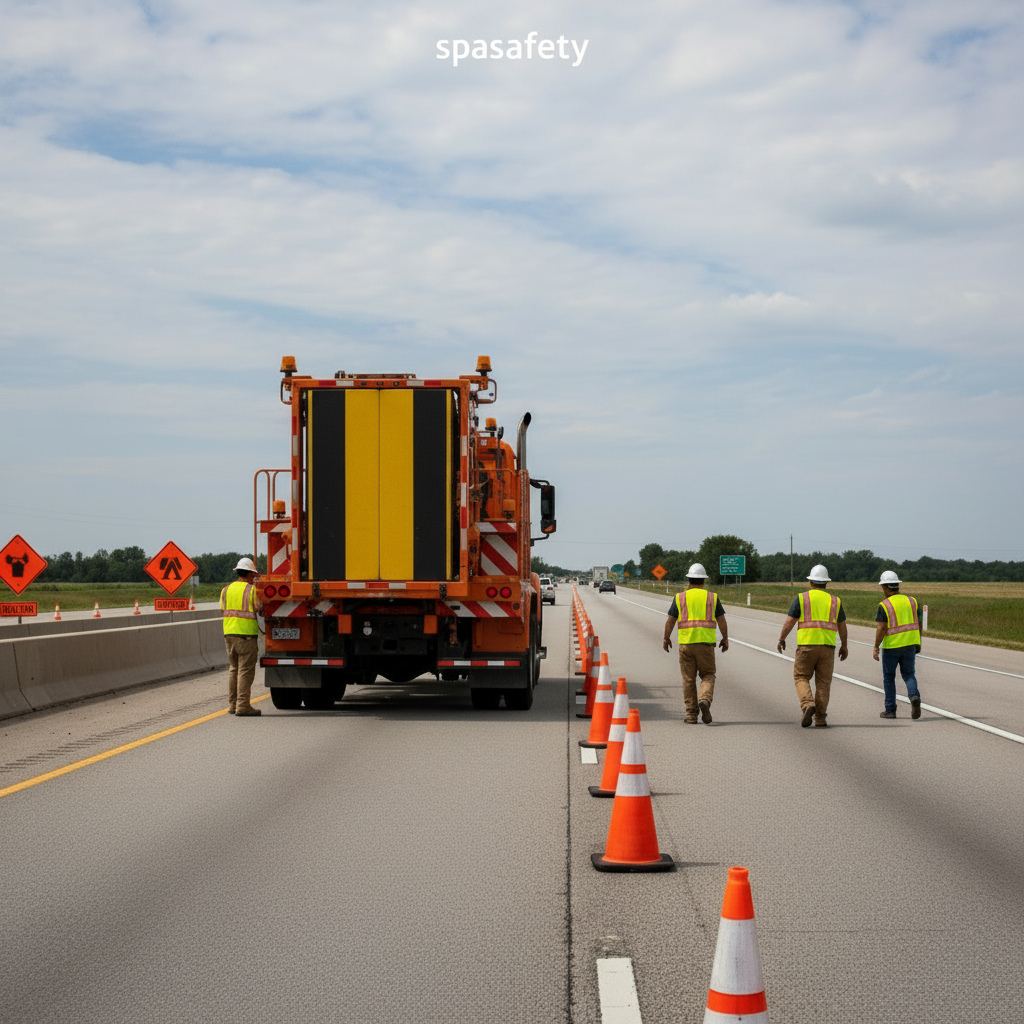
What really separates a road crew from a distracted driver isn’t a cone or a sign—it’s the “shadow truck.” And hanging off the back of that truck is a piece of engineering that is designed to be destroyed: the Truck-Mounted Attenuator (TMA).
It’s a mobile shield; a bodyguard made of steel and aluminium. Understanding how to use it, purchase it, and maintain it isn’t just about following regulations; it’s about ensuring everyone can clock out at the end of the shift.
In this blog, we’ll discuss purchasing and maintaining it, which isn’t just about compliance. We will discuss attenuator crash trucks and how they enhance safety in work zones.
How does the Shield work?
At its core, a TMA is a sophisticated crash cushion.
It bolts onto the back of a heavy vocational truck—usually a dump truck or a flatbed—and acts as a sacrificial lamb.
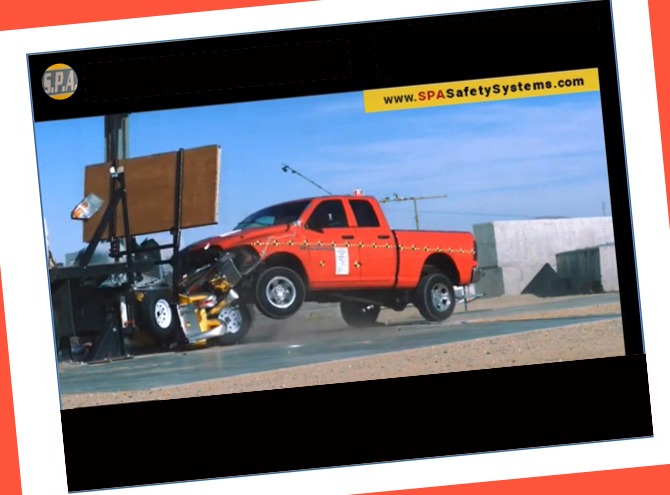
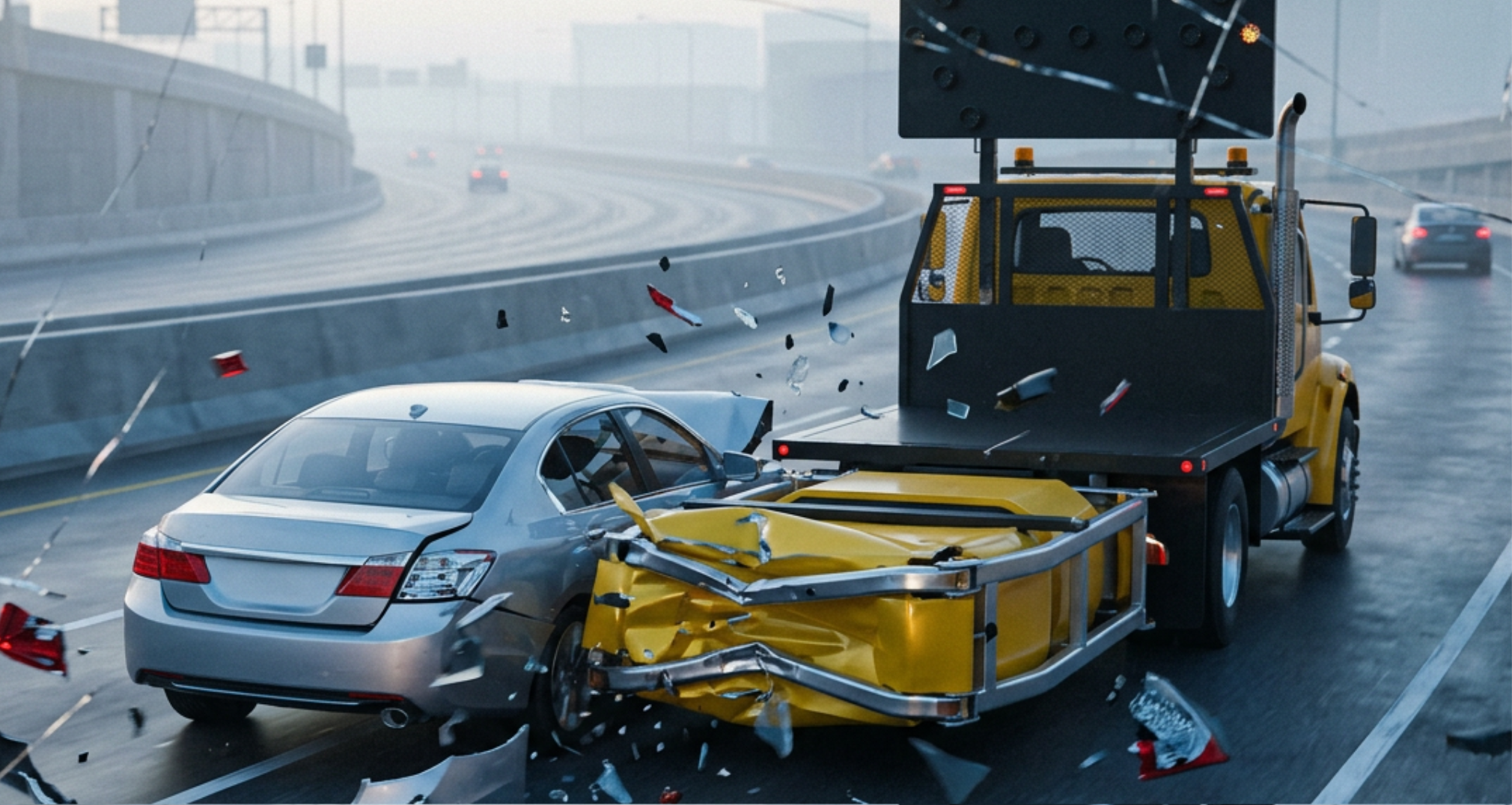
When a car or rig slams into the back of a shadow truck, the TMA takes the hit. Inside the unit, cartridges made of aluminium honeycomb or steel tubes are designed to collapse in a very specific sequence. This buckling process does two things: it absorbs the impact’s energy, converting that kinetic energy into crumpled metal, and it prevents the shadow truck from being launched forward into the workers standing just a few feet away.
The “MASH” Standard: Why It Matters?
You will hear the term “MASH” used frequently. An important part of the truck mounted attenuator guidelines, it stands for the Manual for Assessing Safety Hardware. Specifically, you want equipment that meets MASH Test Level 3 (TL-3).
This isn’t just paperwork. To pass this standard, a TMA has to survive a gauntlet. Engineers ram a 5,000-pound pickup truck into it at 62 mph. They do it straight on and at an angle. To pass, the TMA must keep the G-forces low enough for the driver of the crashing car to survive, and it must ensure the shadow truck doesn’t roll forward too far.
If you are buying or renting a TMA, look for that MASH TL-3 rating. Anything less is a gamble you don’t want to take at highway speeds.
One-Hit Wonders vs. The Resilient
You have two main design choices: sacrificial or reusable.
- Sacrificial units are one-and-done. If they are struck, discard the cartridge and purchase a new one.
- Reusable units use hydraulic cylinders and spring steel. They can take a low-speed bump and reset.
If you work in high-traffic city zones where “fender benders” are common, reusable might save you money. For high-speed interstate work, the focus is usually just on surviving the “big one.”
Tactics on the Tarmac
Having the gear is one thing; positioning it is another.
The Rolling Blockade
As per the truck mounted attenuator guidelines, for jobs such as striping or pothole patching, the shadow truck must move. It usually trails the crew by a specific distance. Too close, and a crash pushes the truck into the workers. Too far, and a confused driver might cut in between the truck and the crew.
The “Quick” Job Trap
The most dangerous words in road construction are, “It’ll only take a minute.” Crews often skip setting up the TMA for a quick debris removal or sign fix. That is when accidents happen. Whether the job takes ten minutes or ten hours, the shield needs to be up.
Ramps and Exits
Off-ramps are notorious for indecisive drivers. Placing a TMA here requires angling the truck so that, if it is struck, it doesn’t push into live traffic. It’s a game of geometry where the stakes are life and death.
The Human Element
We focus heavily on the steel and hydraulics, but the operator inside the shadow truck has one of the most grueling roles on the project. They aren’t just sitting behind the wheel; they are living in the rearview mirror—constantly gauging the speed of oncoming lights and bracing for a hit that could happen at any second.
Daily Checks are Non-Negotiable
Before the key turns, the operator must check the pins, hydraulics, and lights. A bent frame from a previous “love tap” might seem fine, but it could cause the unit to fail catastrophically during a real crash.
Don’t Improvising Ballast
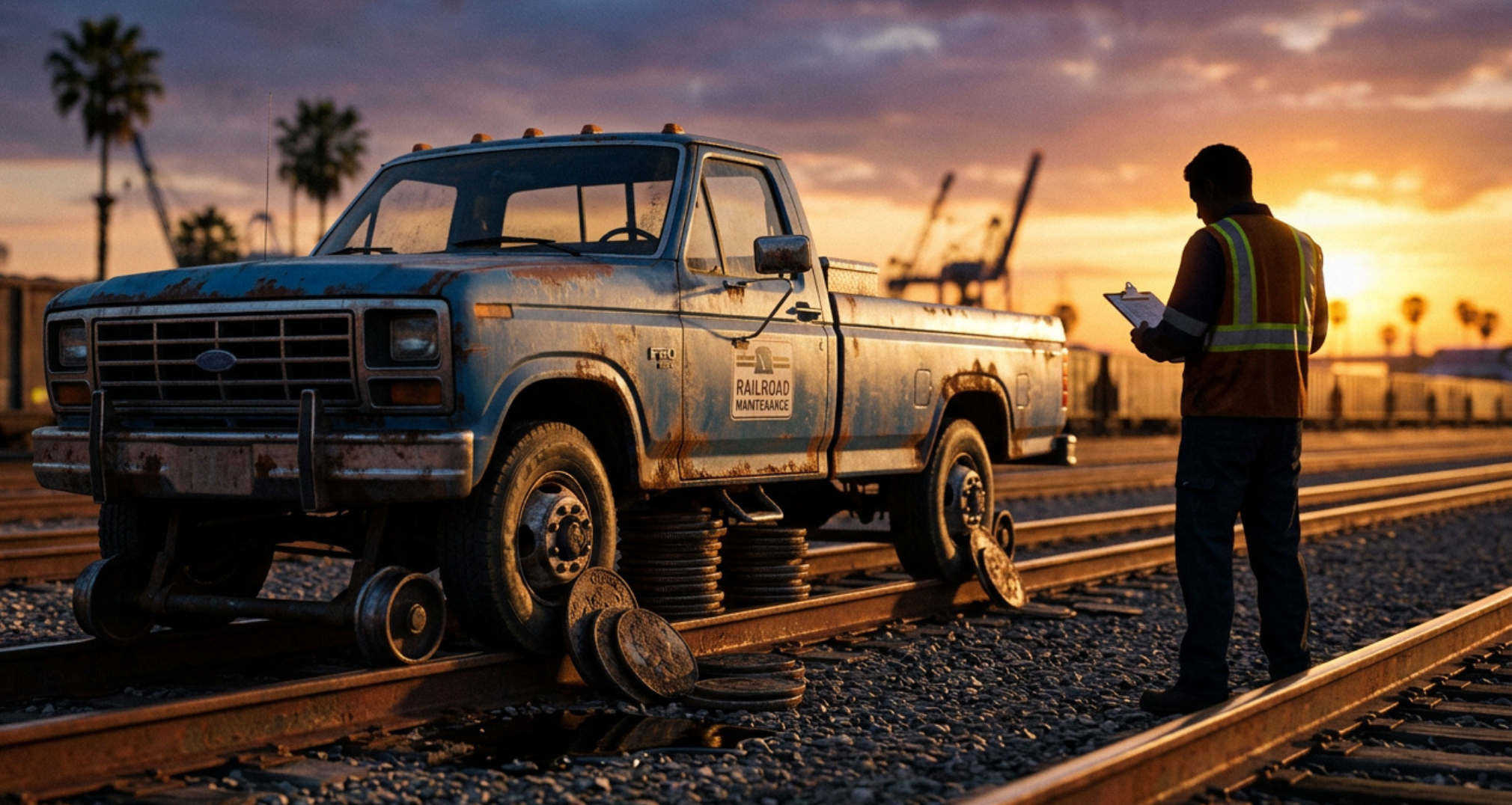
You can’t just throw concrete blocks in the bed to meet the weight requirement. If they aren’t secured, those blocks become missiles in a crash. Use proper steel ballast plates bolted to the frame.
The Future is Smart
Technology is catching up. We are starting to see “Connected TMAs.” These units can detect a crash and automatically lock the truck’s brakes to prevent it from rolling forward. Some can even send an instant alert to the crew’s phones or headsets the moment an impact occurs, giving them a split-second head start to step aside.
The Bottom Line
A Truck-Mounted Attenuator is an expensive line item on a budget, which is why these truck mounted attenuator guidelines are worth considering. It requires maintenance, training, and a heavy truck to haul it. But when you strip away the regulations and the engineering specs, its purpose is simple.
At 2:00 AM, in the pouring rain, when a driver falls asleep at the wheel and drifts into the work zone, that TMA is the only thing that prevents a tragedy. It turns a fatal headline into a repair bill. Treat the equipment with respect, and it will do the one thing that matters most: bring your crew home alive.
Head towards S.P.A. Safety Systems for expert help and opinion.