Work zones are among the most dynamic and unpredictable places in the entire construction industry. Traffic volumes fluctuate by the minute, equipment is constantly on the move, and a single oversight can put workers and motorists in jeopardy. A written work zone safety program is never enough on its own; it has to be brought to life every day in the field. That is precisely what a daily inspection checklist does.
In this article, we’ll dig into why these checklists matter, what they should cover, and which actions really keep work zone hazards minimal.
Why Daily Safety Inspections Are Essential?
- When you’re working just inches from fast-moving traffic, there’s no room for shortcuts. Construction zones are exposed to the public and packed with heavy equipment—one wrong move can have serious consequences.
- Add to that the fact that work zones are constantly changing. Lanes shift, detours pop up, and what was safe yesterday might be a hazard today. A daily checklist is the only way to ensure you don’t miss a new risk.
- On top of safety concerns, there’s a legal side to all this. OSHA, the MUTCD, and state DOTs all mandate regular inspections, and after any incident, investigators will want to see your paperwork. If you don’t have proper documentation, you’re already on the back foot.
- Finally, your company’s reputation and legal standing are on the line. After a crash, lawyers will want to know if you stuck to your own safety plan and kept records. Having a signed checklist isn’t just good practice—it’s your best protection in court and for your business’s name.
Anatomy of an Effective Daily Work-Zone Checklist
Below is a sample framework. Adapt it to local regulations, project-specific traffic control plans, and your company’s safety culture.
1. Traffic Control Devices
- Cones, drums, barricades, and delineators are upright and properly spaced, and reflective sheeting is intact.
- Warning signs are present in the correct order and at required distances.
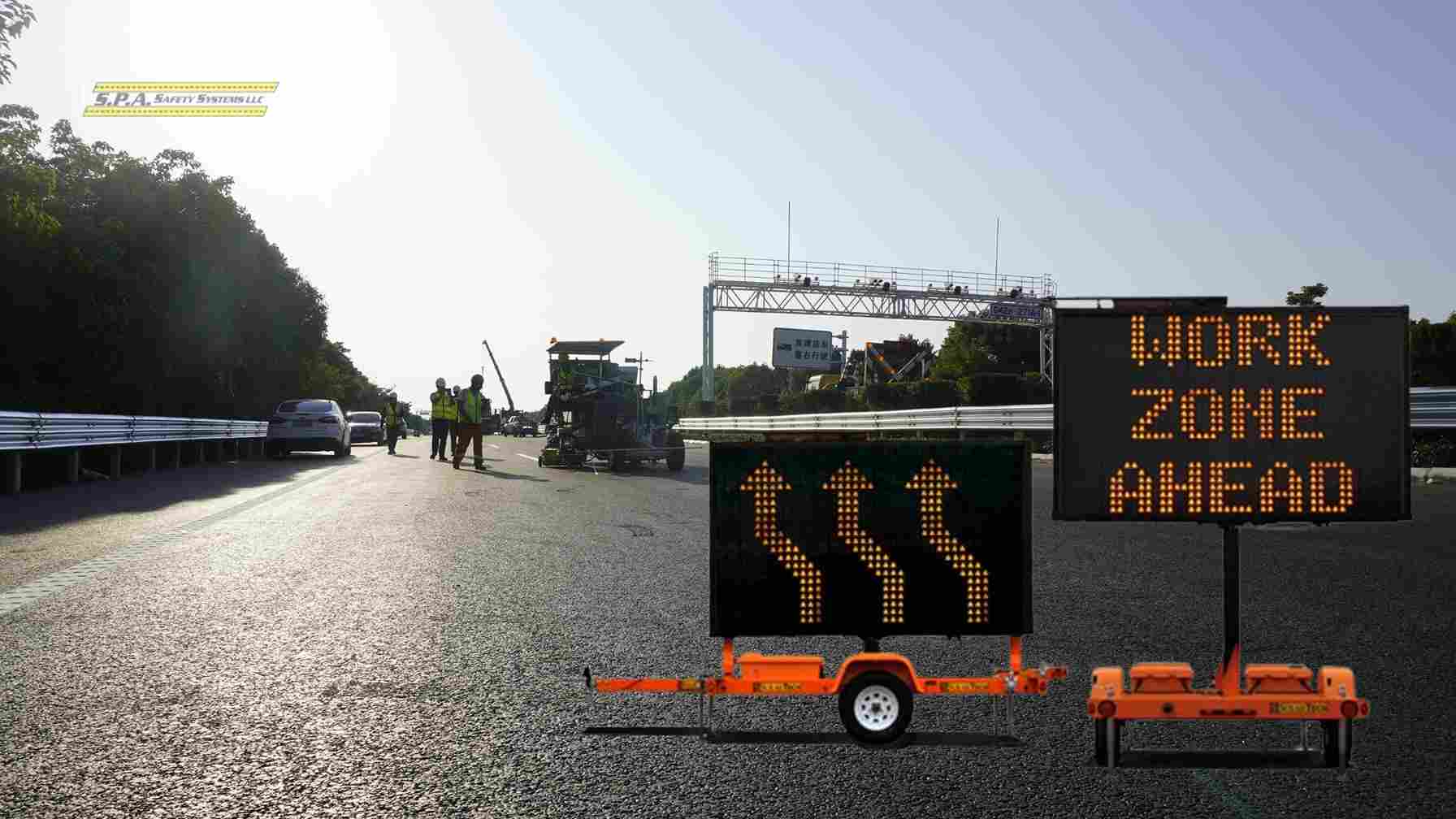
- Dynamic message boards display current, accurate information and are readable in the sun and rain.
- Temporary pavement markings are visible day and night; no confusing ghost lines remain.
2. Barrier Systems
- Concrete or water-filled barriers are joined correctly, with no gaps wider than design tolerance.
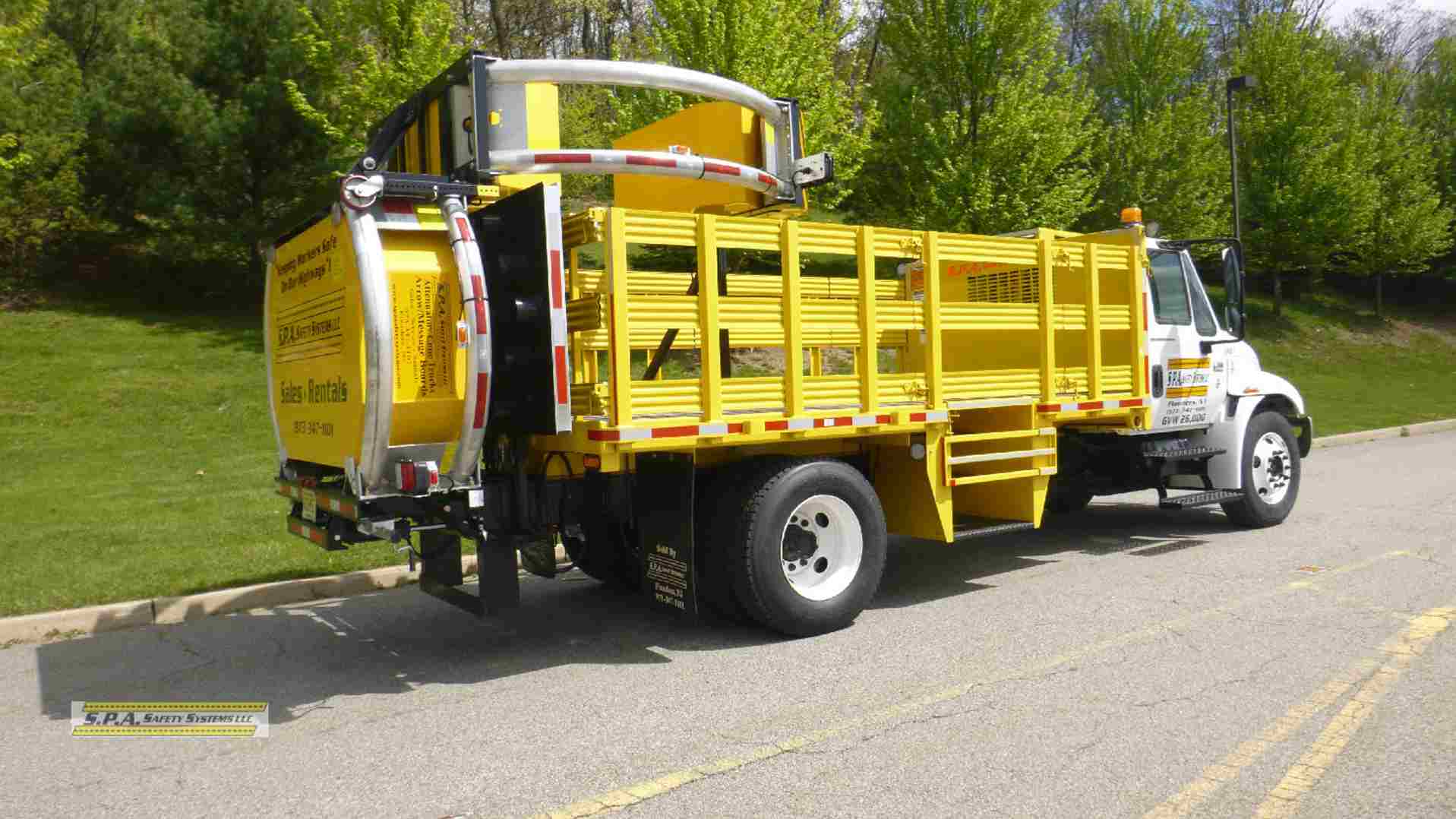
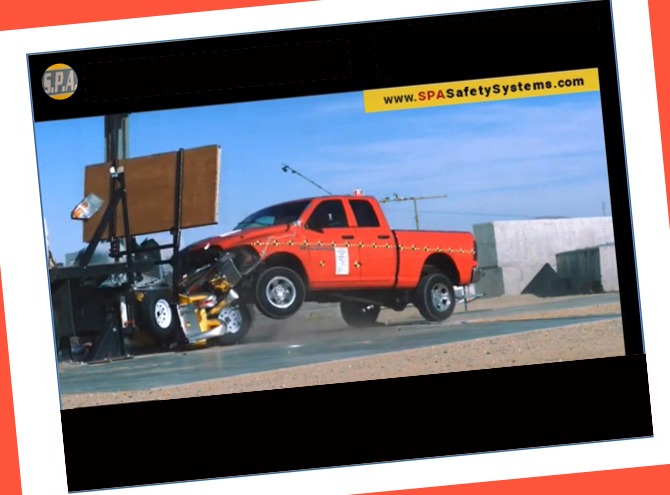
- Impact attenuators are reset after any hit, and pins/bolts are in place.
- End treatments face traffic with proper flare rates and do not protrude into live lanes.
3. Worker Protection
- All personnel wear Class 2 or 3 high-visibility apparel as dictated by the speed zone.
- Hard hats, eye protection, gloves, and steel-toe boots are in good condition.
- Workers on foot are separated from equipment paths by cones, fence, or spotters.
4. Equipment and Vehicle Staging
- Backup alarms, strobes, and mirrors are operational.
- Dump trucks and pavers park inside the buffer zone, never in a live lane during breaks.
- The fueling area is bermed or drip-pan protected to prevent spills onto the pavement.
5. Illumination (for night work)
- Light towers are positioned to avoid blinding drivers; fixtures exceed 5 lux at the the work surface.
- Generator cords are routed outside walkways and protected from traffic.
6. Housekeeping and Debris
- Loose asphalt chunks, rebar, or formwork cleared from travel lanes.
- Trash cans are available for food waste to deter wildlife from entering the roadway.
7. Emergency Readiness
- First-aid kits stocked, eyewash bottles unexpired.
- Fire extinguishers charged, tagged, and within 100 ft of hot-work areas.
- Site map with GPS coordinates posted for EMS responders.
8. Documentation & Sign-off
- Inspector prints and signs name, adds date/time.
- Non-conformances logged with photos and the responsible party.
- Corrective actions are tracked to closure within the same shift whenever feasible.
Beyond Checklists: Eight Work-Zone Safety Best Practices
Pre-shift “tailgate” meetings
Five-minute huddles to review the day’s phase plan, traffic pattern changes, and individual responsibilities. Workers contribute local knowledge— “That blind curve at Station 112 is slick after rain.”
Real-time communication
Two-way radios on a dedicated channel minimize confusion. Spotters call out truck movements, and supervisors broadcast sudden lane closures. Require radio checks at the top of every hour.
Dynamic traffic monitoring
Portable radar, queue-warning trailers, or Bluetooth sensors feed data to a central dashboard. When speeds drop or backups grow, flaggers or variable message signs can react instantly.
Positive protection and clever taper design
Where feasible, replace cones with barriers. Design tapers long enough for prevailing speeds (L = WS² / 60 per MUTCD) and avoids double merges that lead to last-second lane changes.
Night-shift differential
Fatigue impairs judgement. Provide shorter rotations, mandatory stretch breaks, and hot beverages. Arrange overlapping shifts so incoming crews get a daylight walk-through before darkness.
Joint contractor-agency audits
Invite the state DOT or prime contractor to walk the site weekly. External eyes spot hazards that insiders miss and build trust with the client.
Near-miss reporting culture
Reward, never punish, the reporting of close calls— “The skid steer almost clipped the buffer drum.” Trend these incidents to proactively adjust controls.
Leveraging Technology—Without Losing the Human Touch
- Various mobile apps let inspectors complete checklists on a tablet, attach photos, and push corrective actions to the foreman’s phone.
- RFID tags on cones and barriers can be scanned to verify placement.
- Drones provide aerial confirmation of tapers and queue lengths in minutes.
Remember, however, that tech supplements but never replace experienced boots on the ground who understand context a sensor cannot see.
FAQs: Work Zone Safety
Are there are additional safety measures that can be taken?
Yes, print checklists on tear-resistant, waterproof paper. Rain-smeared forms are useless in court.
Is it a good idea to rotate inspection duty?
Yes, rotate the inspection duty among competent persons to keep the process fresh and to build bench strength.
Conclusion
A well-crafted daily inspection checklist is the backbone of the work zone safety, but it is most powerful when paired with robust communication, positive protection, data-driven adjustments, and a learning culture. Build the habit, document relentlessly, and empower every crew member to speak up. That is how projects finish on time, under budget, and—most importantly—without tragedy.
Stay safe out there, and remember: the public sees only the barrels, signs, and flashing lights. For professional services, book a consultation with S.P.A. Safety Systems.