If you’re bidding on highway projects this year, you already know the first question DOT inspectors ask: “Is your TMA truck compliant?” Get it wrong, and you’re not just facing fines—you could be pulled off the job entirely, losing thousands in contracts and credibility. The challenge? TMA truck requirements aren’t one-size-fits-all.
What passes in Texas might get you shut down in California. MASH standards replaced NCHRP 350 years ago, yet confusion persists across job sites. And with 2026 bringing updated enforcement across multiple states, now’s the time to get your compliance house in order.
Let’s cut through the confusion and get you the straight answers you need regarding TMA truck requirements.
What Exactly is a TMA Truck? (And Why DOTs Care So Much)
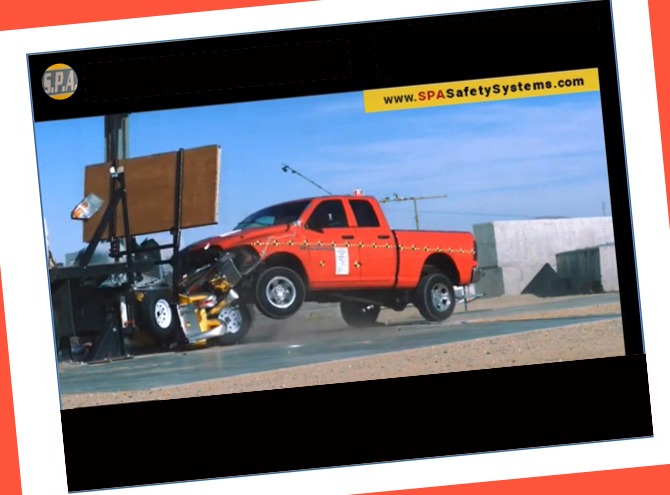
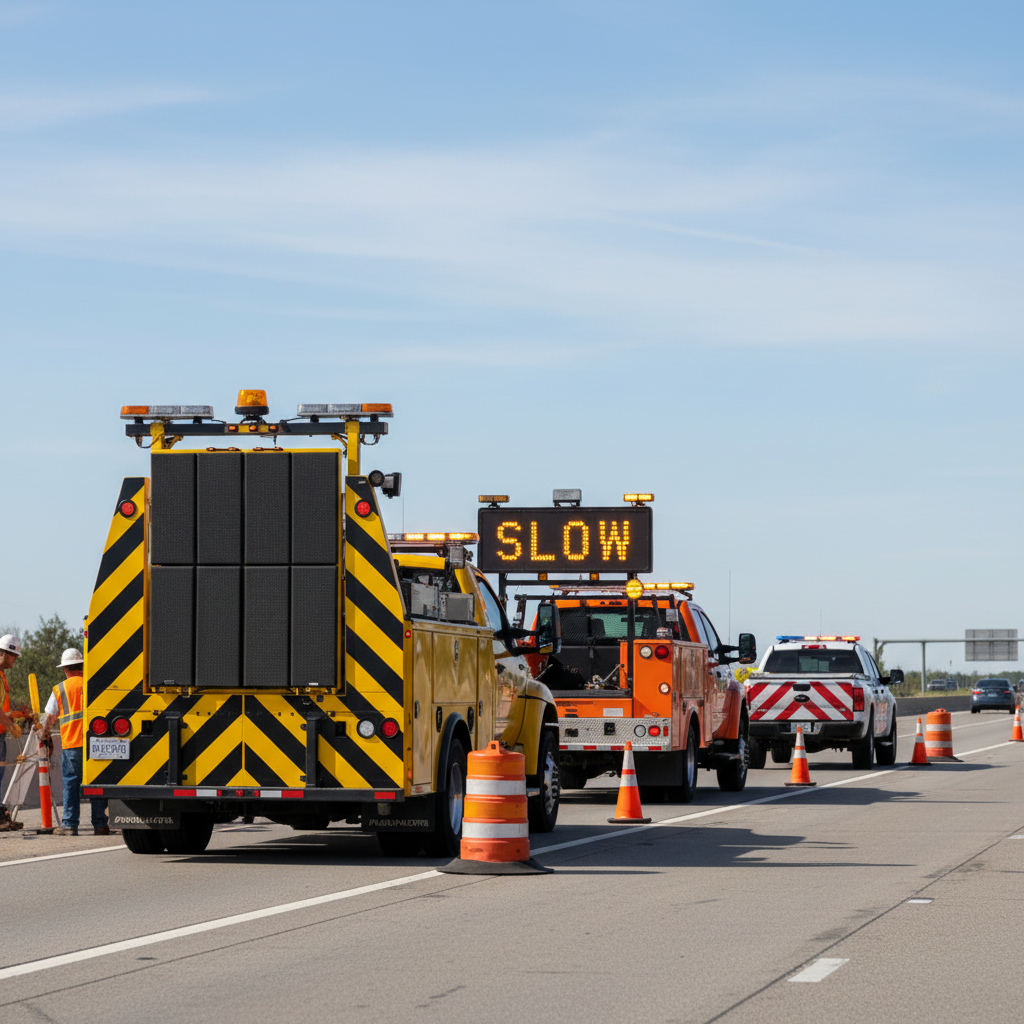
A Truck-Mounted Attenuator (TMA) is a crash cushion mounted on the back of a truck. When a vehicle strikes it, the attenuator absorbs impact energy, protecting both workers in the work zone and the occupants of the striking vehicle.
Think of it as a mobile barrier that sacrifices itself to save lives.
Why are state DOT work zone safety regulations so strict about these trucks? The statistics are brutal. According to FHWA data, over 100 workers die in work zone crashes every year, with hundreds more seriously injured. TMAs have proven to reduce fatality rates by up to 70% in mobile operations.
That’s why every state DOT takes compliance seriously, and why you can’t afford to treat this as a paperwork exercise.
MASH vs NCHRP 350: What Changed and Why It Matters
Here’s where many contractors get tripped up. The old standard was NCHRP 350 (National Cooperative Highway Research Program Report 350). It was replaced by MASH (Manual for Assessing Safety Hardware) starting in 2011, with a transition period that technically ended years ago.
But here’s the reality: some older equipment still bears NCHRP 350 certification, and contractors ask me regularly whether it’s still acceptable.
Short answer: It depends on the state, but most now require full MASH compliance.
MASH TMA certification requirements are more stringent than the old standard. The crash testing is more realistic—higher impact speeds, different vehicle types, and more demanding angles. MASH Test Level 3 (TL-3) is the standard for most highway applications, requiring the attenuator to handle:
- Pickup trucks at 62 mph
- Small cars at 62 mph
- Various impact angles up to 25 degrees
The equipment either passes these tests or it doesn’t. There’s no gray area when it comes to compliance with attenuator truck standards.
Federal Baseline: What FHWA Requires Nationwide
Before we dive into state-specific TMA truck requirements, let’s establish the federal baseline that applies everywhere.
The Federal Highway Administration requires that all work zone traffic control devices used on federal-aid highways meet MASH standards. This is based on the MUTCD (Manual on Uniform Traffic Control Devices) and associated federal regulations.
At a minimum, your TMA truck must:
- Have MASH TL-3 certification (the actual attenuator unit)
- Display proper warning lights and markings
- It should be operated according to the manufacturer’s specifications
- Have documentation available on-site
- Undergo regular inspections and maintenance
The host truck also matters. You can’t just bolt a MASH-certified attenuator onto any old truck and call it compliant. The vehicle must meet the attenuator manufacturer’s specifications for:
- Gross Vehicle Weight Rating (GVWR)
- Wheelbase length
- Frame strength
- Ballast requirements
State-by-State TMA Requirements: The Details That Matter
Now let’s get into the specifics. I’ll cover the states with the most highway work and the strictest requirements, plus note regional patterns that might affect your operations.
Northeast Region
New York: The NYSDOT requires MASH TL-3 certification and strictly enforces host-vehicle specifications. All TMAs on state projects must be on the approved products list (APL). Night work requires additional lighting beyond federal minimums. Expect inspections—NYSDOT doesn’t mess around.
New Jersey: New Jersey DOT follows MUTCD requirements and requires MASH certification. Here at S.P.A. Safety Systems in Flanders, NJ, we see firsthand how seriously NJDOT takes compliance. They require quarterly maintenance documentation and will conduct spot inspections. The state also mandates specific arrow board configurations that must be used with your TMA.
Pennsylvania: PennDOT has one of the more comprehensive TMA programs in the Northeast. They require MASH TL-3 and mandate specific operator training. You can’t just hand the keys to any worker—operators need documented training on deployment procedures and emergency protocols. PennDOT also requires annual inspections with documentation submitted to the district office.
Massachusetts: MassDOT closely follows federal guidelines but adds requirements for high-visibility striping beyond the MUTCD minimums. They’re also strict about arrow board synchronization with the TMA unit.
Mid-Atlantic Region
Virginia: VDOT requires MASH certification and has specific guidelines for rural vs. urban deployments. They also mandate GPS tracking on TMA trucks for certain projects, which helps with compliance documentation but requires additional equipment.
Southeast Region
Florida: FDOT has extensive TMA requirements, especially for interstate work. They require MASH TL-3 certification, maintain a qualified products list, and mandate specific operator training. Florida also has detailed requirements for hurricane-season operations—TMAs must be secured or removed during specified weather events.
Georgia: GDOT adheres to MASH standards and requires semiannual inspections. They’re strict about maintenance documentation and will disqualify equipment that shows excessive wear.
North Carolina: NCDOT requires MASH TL-3 and maintains an approved products list. They’ve been aggressive about phasing out older NCHRP 350 equipment—if it’s not MASH certified, don’t bring it to an NCDOT project.
Texas and the South Central
Texas: TxDOT has some of the most detailed temporary traffic control requirements in the country. They require MASH TL-3 certification, maintain a strict approved products list, and mandate specific operator training. Texas also requires detailed traffic control plans (TCPs) that specify TMA placement for different scenarios.
Here’s something many contractors miss: TxDOT has specific requirements for shadow vehicles (the truck carrying the TMA) regarding weight, braking systems, and even tire specifications. Read the special provisions carefully—Texas projects often have district-specific requirements beyond the statewide standards.
Louisiana: LADOTD requires MASH certification and has specific requirements for work in high-traffic corridors. They’re also strict about regular inspections and will request maintenance logs.
Midwest Region
Illinois: IDOT adheres to MASH standards and requires semiannual inspections. They’re particular about documentation and require contractors to maintain detailed equipment logs.
Michigan: MDOT requires MASH certification and has specific cold-weather operation requirements. If you’re working in Michigan winters, your TMA must operate in sub-zero temperatures, and MDOT will test its compliance.
Mountain West Region
Colorado: CDOT requires MASH TL-3 and has specific high-altitude operation considerations. Mountain work has additional requirements for positioning and vehicle power—thinner air affects everything.
Utah: UDOT requires MASH certification and maintains an approved products list. They’re strict about maintenance intervals, especially for equipment operating in environments exposed to salt from winter operations.
West Coast
California: Caltrans has perhaps the most detailed TMA requirements in the nation. They require MASH TL-3 certification, maintain a strict authorized materials list, and mandate specific training programs. California also requires annual recertification for TMA operators.
Caltrans has detailed specifications for mobile barrier crash cushions that exceed federal minimums. They specify exact mounting heights, approach transition requirements, and even paint schemes. If you’re bidding California work, budget time to understand their specifications—they’re detailed but thorough.
Washington: WSDOT requires MASH certification and has specific requirements for wet-weather operations (because it’s Washington). They mandate regular inspections and require operators to complete state-approved training courses.
Oregon: ODOT follows MASH standards and requires detailed traffic control plans. They’re particular about maintenance documentation and require contractors to keep detailed service records.
Common Compliance Mistakes That Cost Contractors
Here are the big ones that can get you in trouble:
Using outdated equipment: That NCHRP 350-certified TMA you bought in 2010? It’s time to upgrade. Most states have either banned or are phasing out pre-MASH equipment. Yes, it’s a capital expense, but it’s cheaper than losing contracts.
Ignoring host vehicle specifications: The attenuator is only part of the equation. Your host truck must meet the manufacturer’s specifications for weight, wheelbase, and frame strength. I’ve seen contractors try to mount TMAs on trucks that are too light or too short—it doesn’t work, and you’re not compliant.
Skipping maintenance documentation: Even if your equipment is maintained perfectly, you still need documentation to prove it. Most states require maintenance logs, inspection records, and repair documentation. Set up a system to track this from day one.
Inadequate operator training: Putting untrained workers behind the wheel of a TMA truck is both dangerous and non-compliant. Most states now require documented training. Establish a formal training program with documented records.
Wrong positioning in the work zone: Even compliant equipment becomes non-compliant if it’s positioned incorrectly. Follow MUTCD guidelines and project-specific traffic control plans. Distance from the work area, angle of approach, and buffer space all matter.
MASH Testing Levels Explained (TL-2 vs TL-3)
Most highway contractors need MASH Test Level 3 (TL-3) equipment, but it helps to understand the distinctions.
MASH TL-2: Designed for lower-speed work zones (typically 45 mph or less). Tested with smaller vehicles at lower speeds. Rarely acceptable for highway work, but may be used in specific urban situations.
MASH TL-3: The standard for highway work. Tested with both small cars and pickup trucks at 62 mph. This is what virtually all state DOTs require for interstate and high-speed highway projects.
MASH TL-4 and above: Exists for specialized applications (protecting rigid obstacles, etc.) but isn’t typically required for mobile TMA operations.
What Equipment Actually Meets These Requirements
Let’s talk real-world equipment. Understanding TMA truck requirements is one thing; having equipment that actually meets them is another.
At S.P.A. Safety Systems, we manufacture and supply TMA trucks that meet or exceed MASH TL-3 standards across all 50 states. Our trucks are designed with compliance built in—not added as an afterthought.
Here’s what separates compliant equipment from equipment that’ll cause you headaches:
Proper attenuator certification: The attenuator unit itself must have passed MASH TL-3 crash testing at an accredited facility. You should be able to produce certification documentation on demand. We provide complete certification packages with every truck.
Host vehicle matching: The truck must meet the attenuator manufacturer’s specifications exactly. This includes GVWR, wheelbase, frame strength, and ballast placement. Our trucks are purpose-built to match attenuator requirements—no adapting or compromising.
Warning light packages: Federal and state requirements specify minimum lighting. Our standard packages exceed minimum requirements, including arrow boards, LED warning lights, and high-visibility striping compliant with all jurisdictions.
Maintenance accessibility: Compliant equipment needs regular maintenance. Our designs make inspections and service straightforward by providing easy access to hydraulic systems, electrical components, and wear indicators.
Documentation packages: Every truck comes with complete documentation—MASH certification, maintenance schedules, operator manuals, and compliance checklists. When the DOT inspector arrives, you’ll have everything you need.
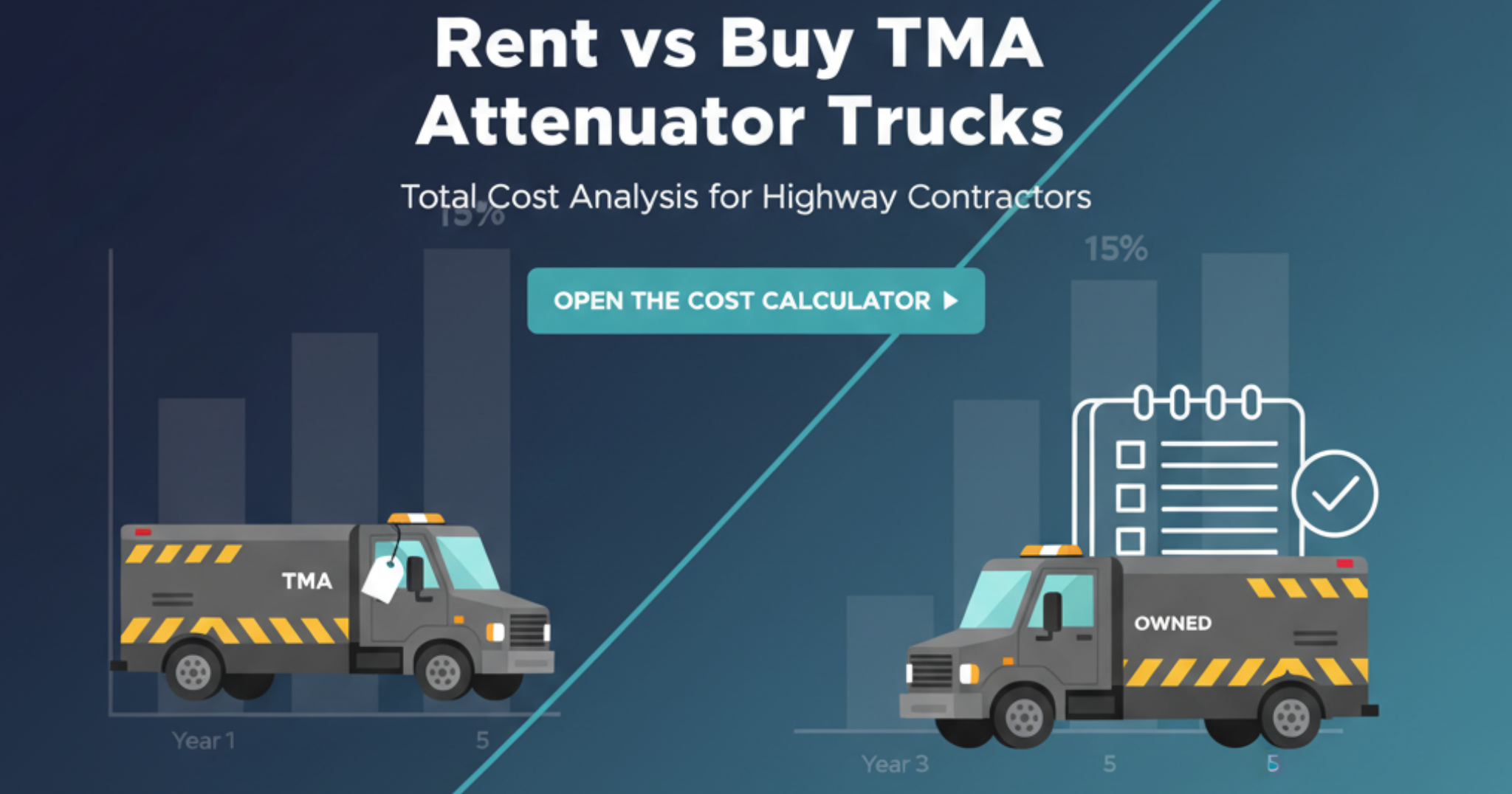
Rental vs. Purchase: Meeting Compliance Either Way
Not every contractor needs to own TMA trucks. Project frequency, capital availability, and maintenance capabilities all factor into this decision.
Buying makes sense when:
- You have consistent highway work year-round
- You have maintenance facilities and trained mechanics
- Capital is available (or financing is favorable)
- You need equipment customized to your specific operations
Renting makes sense when:
- Highway work is intermittent or seasonal
- You’re entering new markets and want to test demand
- Capital is tight or better used elsewhere
- You want to avoid maintenance responsibilities
Here’s what matters for compliance: whether you rent or buy, the equipment must meet all MASH TMA certification requirements for your project location. Don’t assume rental equipment is automatically compliant—verify certification and the host vehicle’s specifications before signing the rental agreement.
At S.P.A. Safety Systems, we offer both sales and rentals, and both options include complete compliance documentation. Our rental fleet is maintained to the same standards as our sales inventory—you’re getting DOT-ready equipment either way.
Inspection and Maintenance Requirements
Having compliant equipment is step one. Keeping it compliant requires ongoing attention.
Most states require regular inspections, typically on these schedules:
Daily operator checks: Before each shift, operators should inspect lights, arrow boards, attenuator condition, and basic truck functions. This should be documented on a checklist.
Monthly detailed inspections: More thorough examination of hydraulic systems, structural integrity, mounting hardware, and all safety systems. Most manufacturers provide inspection checklists—use them.
Quarterly professional inspections: Many states require quarterly inspections by qualified technicians, with documentation submitted to the DOT. These inspections should follow manufacturer guidelines and check critical safety systems.
Maintenance documentation isn’t optional—it’s part of compliance. Set up a system to track:
- Inspection dates and findings
- Repair work and parts replaced
- Operator training and certifications
- Any incidents or impacts
- Manufacturer recommendations followed
Either a three-ring binder or a digital tracking system works fine. What matters is having documentation immediately available when the DOT requests it.
State Approval Lists and How to Navigate Them
Many states maintain Approved Products Lists (APLs) or Qualified Products Lists (QPLs) for TMA equipment. Understanding these lists is critical for TMA truck requirements and compliance.
What these lists mean: State DOTs test or review equipment and publish lists of approved products. For TMA trucks, this typically means the attenuator unit has been verified to meet state requirements.
How to check the lists: Most state DOT websites have searchable databases. Look for “approved products,” “qualified products,” or “materials and testing” sections. These are usually updated quarterly.
State-specific testing: A few states (notably California and Texas) conduct their own supplemental testing beyond MASH requirements. Equipment might need to pass additional crash tests or meet state-specific criteria.
Approval renewal: Some states require periodic renewal of product approvals. Just because equipment was approved five years ago doesn’t mean it’s still on the list today. Check current lists for every project.
Working with S.P.A. Safety Systems for Compliance
S.P.A Safety has been building highway safety equipment for decades and understands TMA truck requirements from every angle. Our facility in Flanders, New Jersey, provides direct insight into strict Northeast standards, while we supply equipment nationwide.
What we provide:
Compliant equipment from day one: Every TMA truck we sell, or rent meets current TMA truck requirements and includes all necessary documentation. Each unit includes certification packages, operator manuals, and maintenance schedules.
State-specific guidance: Bidding work in a state with specific TMA truck requirements? We know those requirements and can advise on compliance. We’ve supplied equipment for projects in nearly every state and understand the nuances of each.
Custom configurations: Need specific lighting packages, custom paint schemes, or specialized equipment? We handle custom fabrication to meet project-specific requirements while maintaining compliance.
Maintenance and repair: Our service department handles everything from routine maintenance to major repairs. We keep detailed service records that meet state documentation requirements.
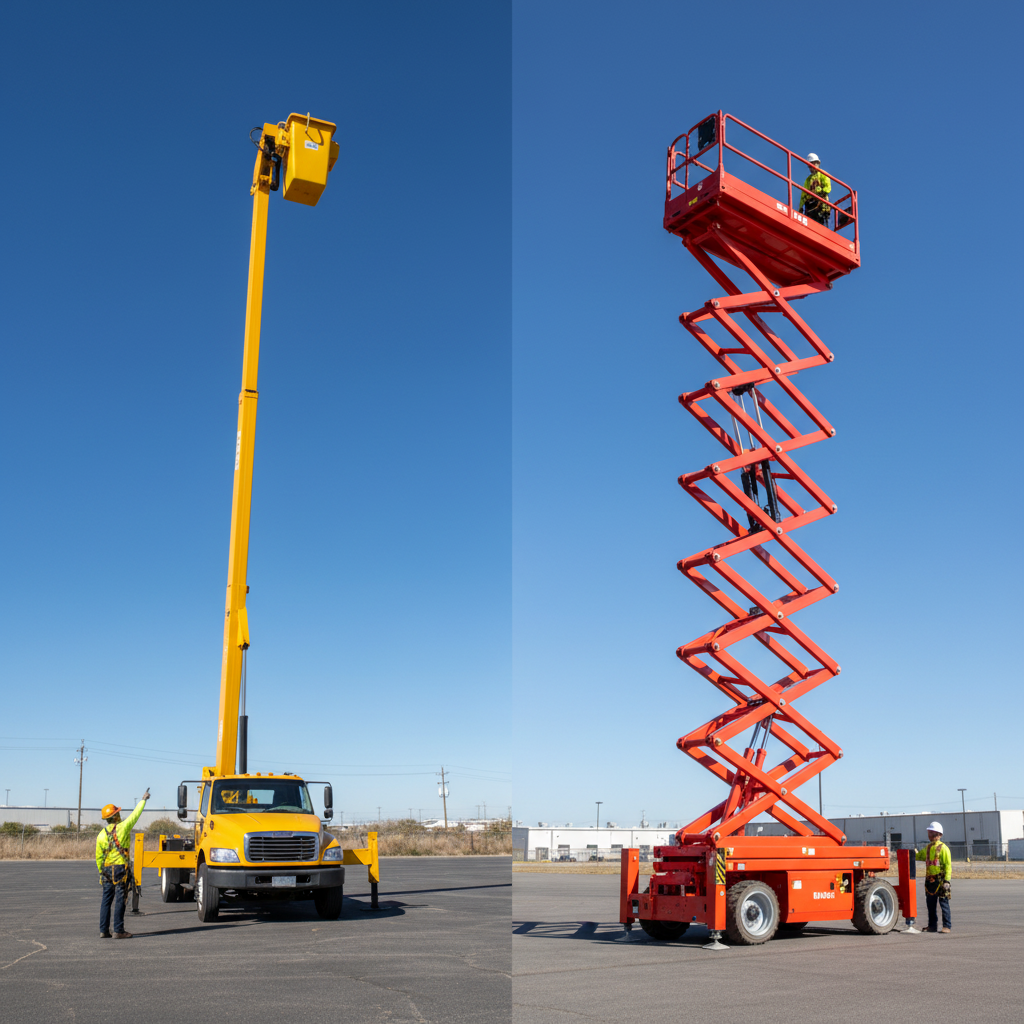
Rental flexibility: Need equipment for a specific project? Our rental fleet includes compliant TMA trucks, scissor lift trucks, cone trucks, and more. Short-term or long-term rentals available.
Training support: We provide operator training for our equipment, ensuring your crew knows proper procedures and meets state training requirements.
Parts availability: We stock parts for the equipment we supply, minimizing downtime during maintenance.
You can reach us to S.P.A Safety at 973-347-1101 or austin@westchestermachinery.com. We’re located at 278 Old Ledgewood Rd, Flanders, NJ 07836, with a 19,200-square-foot facility that handles sales, rentals, service, and custom fabrication.