Every highway contractor knows the sticker shock that comes with pricing out a new TMA truck. When you’re looking at $150,000 or more for a brand-new attenuator truck from a reputable manufacturer like SPA Safety Systems, the temptation to save money with a used unit becomes almost irresistible. That classified ad for a “fully functional” TMA truck at $40,000 looks smart when money’s tight and you need equipment now for a new contract. Unaware of its consequences, you are tempted by the cheap TMA trucks.
Here’s what nobody says until it’s too late: that bargain might be the worst decision your company ever makes. What separates a real deal from a total disaster are details most buyers never check. Contractors across the country learn this the hard way when their “great deal” becomes a liability threatening to sink their whole business.
Why Used TMA Trucks Flood the Market
Understanding why so many used attenuator trucks hit the market helps explain why prices seem so attractive.
The MASH Compliance Crisis
The biggest wave of cheap used TMA trucks came after the industry transitioned from NCHRP 350 standards to MASH (Manual for Assessing Safety Hardware) requirements. Contractors who bought equipment right before the switch found themselves holding trucks that could no longer be used on federal-aid projects. Rather than investing in upgrades or eating the total loss, many decided to offload the equipment to unsuspecting buyers who didn’t fully understand the compliance situation.
State DOTs started removing older equipment around 2019 and 2020, when the FHWA made it clear they wouldn’t accept NCHRP 350 attenuators anymore. Overnight, thousands of trucks that had run perfectly fine became useless for work.
Accident Damage and Hidden Repairs
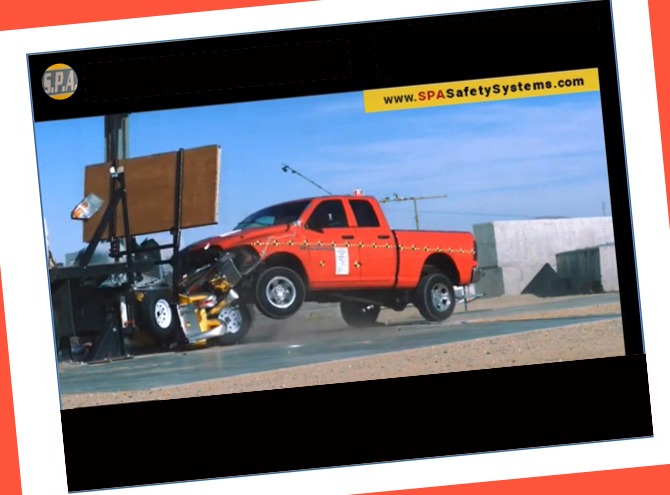
TMA trucks exist specifically to get hit. That’s their whole purpose. When they do their job correctly, the attenuator absorbs the impact and protects the workers downstream. But here’s what happens next in many companies. The truck gets sent to a local body shop or the company’s own maintenance crew, who repair the visible damage without properly recertifying the attenuator system.
End of Lease Dumps
Large rental companies cycle through TMA truck fleets on regular schedules. When equipment reaches a certain age or hour threshold, it gets sold off to make room for newer models. These trucks aren’t necessarily in bad shape, but multiple operators have beaten them up, with zero personal investment in proper maintenance. Renters tend to be harder on equipment than owners, running trucks past service intervals and ignoring minor problems that become major failures down the road.
The rental company makes its money on the rental fees, not the resale value. Their goal is to quickly liquidate the used inventory to free up capital for new purchases.
That means pricing these trucks aggressively low to move them fast. As a buyer, you’re getting a truck that’s been run hard by people who didn’t care about it, with maintenance records that may not tell the full story of what it’s been through.
What to Look for When Considering Used Equipment
If you’re absolutely determined to buy used, going in with eyes wide open and knowing what to check can mean the difference between a reasonable deal and a disaster.
Verify Certification Status Directly with the Manufacturer
Don’t trust the seller’s word about certification. Get the truck’s serial number and contact the manufacturer directly. SPA Safety Systems and other reputable manufacturers maintain lifetime records on every unit they build. They can tell you exactly what certification that specific truck holds, when it was built, and whether it’s ever been recertified after an impact.
Demand Complete Maintenance Records
A well-maintained truck should have a detailed service history showing regular oil changes, hydraulic system services, inspections, and repairs. The absence of maintenance records tells you the previous owner either didn’t maintain the truck properly or doesn’t want you to know what was done to it. Neither scenario is good.
Get an Independent Inspection
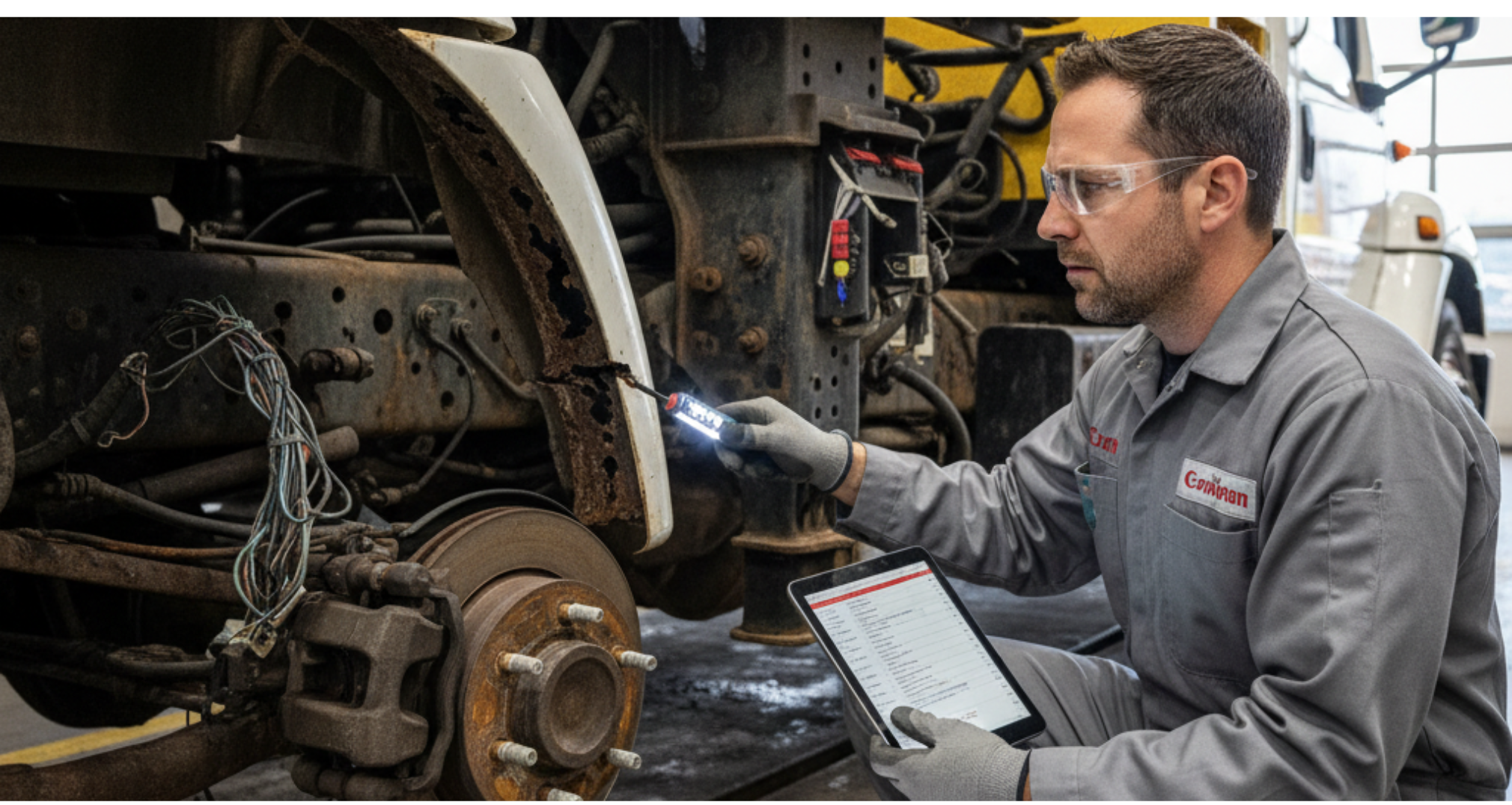
Hire a qualified mechanic who specializes in TMA trucks to inspect any unit you’re seriously considering. This costs a few hundred dollars and could save you tens of thousands. A good inspector will check the structural integrity of the attenuator, test all hydraulic and electrical systems, examine the chassis for frame damage, and review the overall condition of the truck.
Understand the True Age and Usage
Odometer readings don’t tell the whole story on a TMA truck. A truck with 50,000 miles that spent most of its life sitting stationary on highway shoulders might have more wear on its hydraulic systems and attenuator mechanisms than a truck with 100,000 miles that was driven between job sites but saw less actual deployment time.
Ask how many impacts the attenuator has taken. A truck that’s been hit five times in three years is either working in a very dangerous environment or there’s something wrong with how it’s being deployed. Either way, that attenuator has taken a beating. Find out whether it was recertified after each impact. If the seller doesn’t know or can’t prove recertification happened, assume it didn’t.
Why New Equipment from SPA Safety Systems Makes Financial Sense
Buying new from an established manufacturer may look expensive up front, but it makes sense when you consider the full picture. Companies like SPA Safety Systems have been building TMA trucks since the industry began and literally set the standards that everyone else follows.
Guaranteed Compliance and Certification
When you buy new from SPA Safety Systems, you get equipment that’s fully MASH compliant with all the documentation you need to prove it: no questions, no worries, no inspector rejections. The truck comes with certification paperwork that meets all DOT requirements in the country. You can bid on any project with confidence, knowing your equipment meets the requirements.
This peace of mind has real financial value. You’re not gambling on whether your equipment will be accepted; you’re not explaining to clients why your truck was rejected. At the same time, you are working and making money from day one instead of dealing with compliance problems.
Financing and Cash Flow Management
Banks and equipment lenders are much more willing to finance new equipment than used. They know new trucks from established manufacturers hold their value and represent less risk. You’ll get better interest rates and terms on new equipment financing than you’d get on a used truck loan, assuming you can even find a lender willing to finance used specialty equipment.
Resale Value Protection
When you eventually sell or trade your SPA Safety Systems truck, it holds its value far better than generic or lower-quality equipment. The SPA name carries weight in the industry. Buyers know they’re getting proven equipment from a manufacturer with decades of experience. That brand value translates directly into higher resale prices when you’re ready to upgrade.
A well-maintained SPA truck that’s five years old might retain 50 to 60 percent of its original value. A no-name used truck that you paid bottom dollar for will be worth even less when you try to sell it. The depreciation curve matters when you’re thinking about total cost of ownership over the equipment’s life.
The Bankruptcy Risk: How One Bad Truck Can Destroy Your Company
You scramble to rent a compliant truck but can’t find one available.
The client terminates your contract. You’ve already mobilized crews and equipment, spending tens of thousands in startup costs that you’ll never recover. The client demands compensation for the costs they incurred hiring a replacement contractor on short notice. You’re now facing a lawsuit for breach of contract.
Your insurance carrier reviews the situation and determines that your use of non-compliant equipment was a material misrepresentation on your policy application. They cancel your coverage retroactively. Now you’re facing that lawsuit without insurance coverage. Your personal assets are at risk.
Meanwhile, you still own that worthless used truck that caused the whole problem. You have lease or loan payments coming due on the truck. You have no revenue coming in from the terminated contract. Your legal bills are mounting. Your other clients hear about the contract termination and start questioning whether your equipment meets standards. You lose additional contracts.
Within six months, you’re filing for bankruptcy. One bad equipment decision destroyed a business that took years to build. It happens more often than anyone in the industry wants to admit.
Making the Right Decision for Your Company’s Future
The decision about whether to buy used, buy new, or rent TMA equipment ultimately comes down to your specific situation, risk tolerance, and business strategy. However, the financial analysis needs to include all hidden costs and risks, not just a sticker-price comparison.
The SPA Safety Systems Advantage
Companies that have been in the highway safety business for decades understand what contractors actually need. SPA Safety Systems manufactures a complete range of trucks at their 19,200 square foot facility in Flanders, New Jersey, including TMA attenuator trucks, scissor lift trucks, hi-rail trucks, bucket trucks, and cone trucks. They also provide arrow boards and message boards for complete traffic control solutions.
The company’s track record speaks for itself. They literally set the standards for TMA trucks on the road today. When you buy from or rent from SPA Safety Systems, you’re working with people who have been perfecting this equipment for longer than most competitors have been in business. That experience translates into better-designed trucks, better support, and better value over the equipment’s lifetime.
FAQs: Cheap TMA Trucks
What’s the biggest risk of buying a used TMA truck from a private seller instead of going through SPA Safety Systems or another manufacturer?
The compliance nightmare is your biggest risk by far. When you buy from some guy selling his old truck online, you have no real way to verify that the attenuator is actually MASH certified or that it was properly recertified after previous impacts.
Sellers lie, sometimes because they’re dishonest and sometimes because they genuinely don’t understand the certification requirements themselves. You show up to your first DOT job, the inspector rejects your equipment, and now you’re in breach of contract before you’ve earned a dollar. Getting a non-compliant attenuator properly certified after the fact costs anywhere from $15,000 to $40,000 and takes weeks, assuming it’s even possible. Some older units simply cannot be brought up to current standards at any price.
How do insurance companies actually find out if you’re running non-compliant or poorly maintained TMA equipment, and what happens when they do?
Insurance carriers find out in two main ways. The first is during claims investigations after an incident. When you file a claim involving your TMA truck, the adjuster will absolutely demand to see certification paperwork, maintenance records, and proof that your equipment met all contract requirements.
They’ll contact the manufacturer to verify the certification status of your specific truck. If anything doesn’t check out, they can deny the entire claim based on material misrepresentation or policy violations, leaving you personally liable for damages that could run into millions. The second way is through routine policy audits, in which the carrier reviews the equipment their insured contractors operate.
I’ve purchased a questionable used TMA truck. What are my options to address this before it harms my business?
Your first step is getting an honest assessment of exactly what you’re dealing with. Contact the original manufacturer with your truck’s serial number and find out its true certification status and history. If the news is bad, you have a few options depending on how bad it actually is. For trucks that are mechanically sound but have certification issues, you might be able to get the attenuator recertified through an authorized service center. SPA Safety Systems provides parts and repair services for equipment of all brands, not just their own trucks, so they might be able to help you get compliant. This costs significant money but could salvage your investment if the underlying equipment is decent.
Contact SPA Safety Systems at 973-347-1101 to discuss options for getting into reliable equipment that actually protects your business. They can evaluate your situation and recommend the most cost-effective path forward based on your specific circumstances and budget.