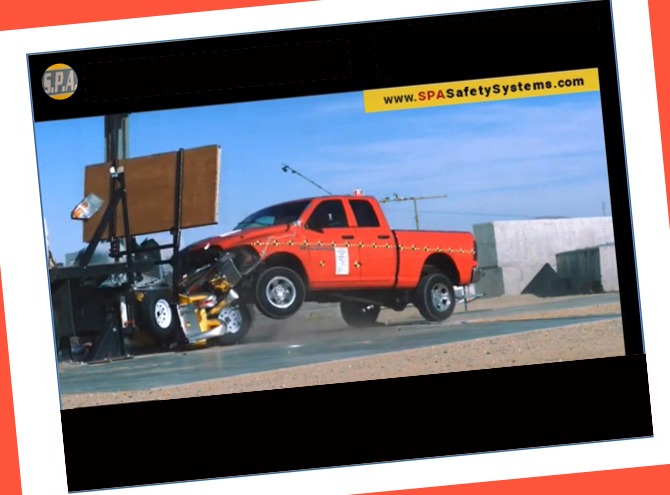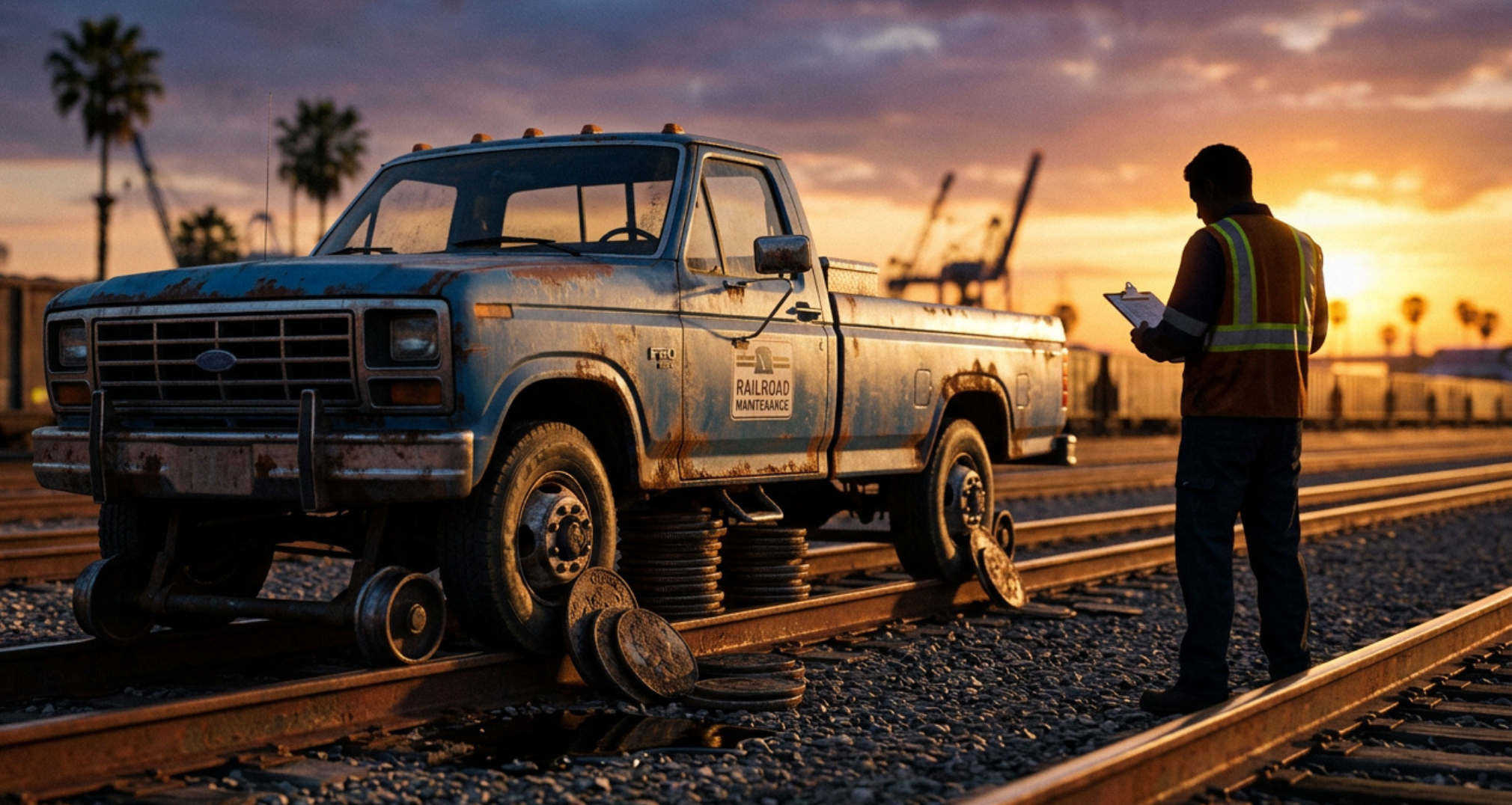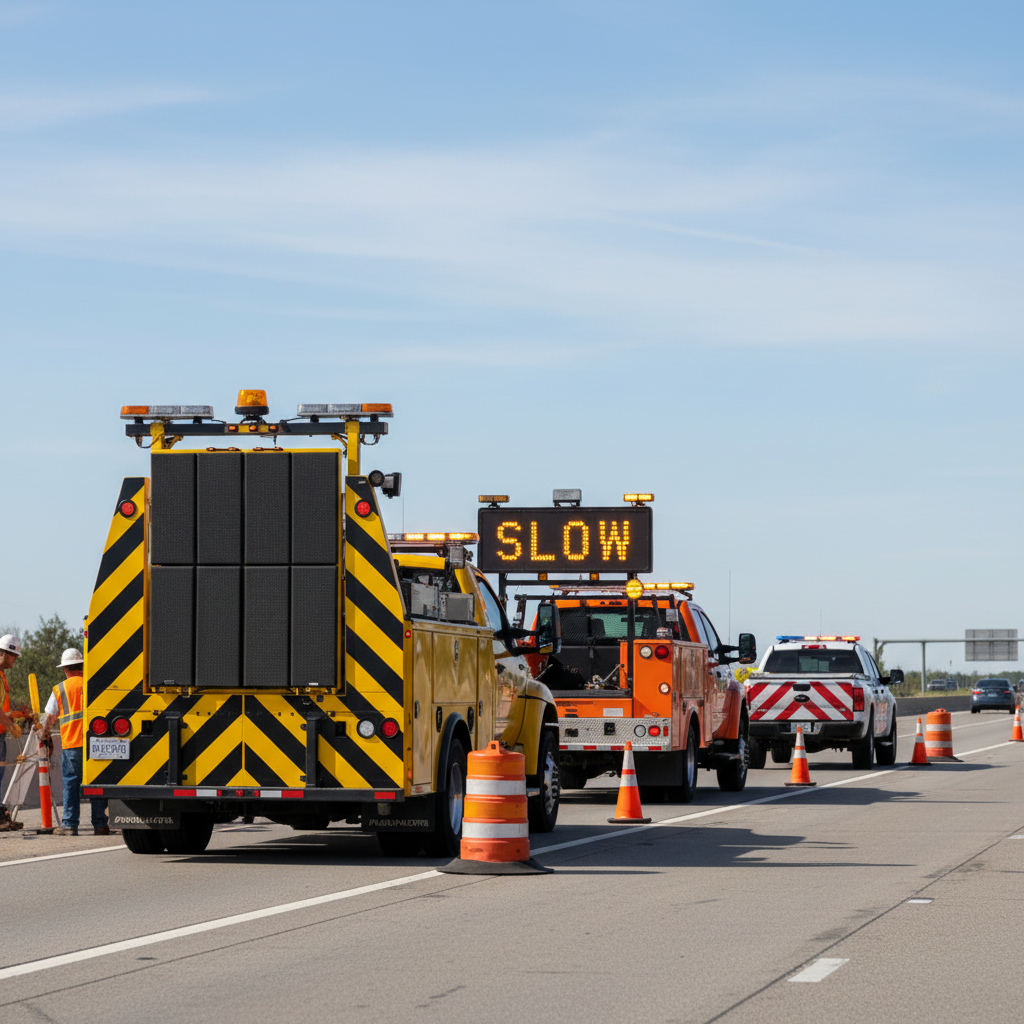
If you think that a safety truck is just equipment, you’re wrong! Basically, it’s the firewall between a routine shift and a catastrophe, and this is what every seasoned road crew knows.
But the real question that keeps fleet managers up at night is ownership strategy: do you commit to buying, or do you rent per job?
Buying gives you control, sure, but it also hands you the keys to every repair invoice, storage fee, and depreciation cost while the truck sits gathering dust between projects. Renting, on the other hand, is often the cleaner, more agile move. You take delivery of a unit that is already inspected, fully certified, and ready to hit the asphalt, all without the heavy anchor of long-term ownership.
In this blog, we’ll break down exactly how buying or renting a safety truck impacts your uptime, your safety compliance, and ultimately, your bottom line.
The Hidden Costs of Ownership
Owning a safety truck can carry hefty fixed costs. A brand-new, MASH-tested crash attenuator truck can cost $120,000–$200,000. That capital is then tied up on your balance sheet even when the truck sits idle between projects or seasons.
Additionally, all inspections and repairs are your responsibility. Safety trucks must meet stringent DOT and state standards, so you must budget for annual inspections, fluid changes, fall-protection recertifications, and any required retrofits.
In S.P.A.’s guide on TMA trucks, they warn that as an owner, “you’re responsible for all DOT, NJ state, and MASH certification upkeep” and that “maintenance, annual inspections, and repairs are on your dime”. In practice, this can easily amount to $3,000–$7,000 in upkeep alone, not counting the hours spent on paperwork.
Critically, owning only pays off if you use the truck almost full-time. A common rule of thumb is the “70% threshold”: if a vehicle is needed less than roughly 70% of the time, rentals are almost always cheaper. As one S.P.A. safety blog explains, if your boom or lift sits idle months on end (only needed a few days per month), “buying is a cash sink.”
For example, a sign contractor who needed only a 40-ft lift for about a dozen days a year found that buying a $65,000 truck (plus $3K in annual maintenance) would tie up capital unnecessarily. Instead, renting for 12 days costs roughly $4,800, saving over $60,000 in the first year.
Reliability: Offloading Maintenance Hassles
One of the most significant advantages of renting a safety truck is reliability through service. Rental agreements typically bundle in routine maintenance and support. For example, S.P.A. explains that a good rental contract will include:
- Preventive maintenance before each delivery (fluids, brakes, safety sensors checked).
- 24/7 repair or swap-out service, so breakdowns don’t stall your project.
- All compliance documentation (DOT/MASH inspection records) is ready for any audit.
Owning the truck means you’re responsible for scheduling and paying for those same service tasks – or risking wildly costly downtime if something fails on the job.
In bullet form, renting offers:
- Maintenance and Repairs included: Technicians service the truck before each job, and if something breaks, replacement parts or a whole new truck can often be sent out immediately. This keeps the car on the road instead of in the shop.
- Regulatory Compliance: Rental houses stay current on DOT/OSHA/MASH requirements. You simply request the equipment, and it comes with all necessary inspection stickers and paperwork. (One S.P.A. guide bluntly advises: “Ask for documentation – reputable providers will supply it.”.
- Latest Safety Tech: Rental fleets turn over quickly, so you often get the newest models. That means features like hybrid powertrains, overload sensors, and telematics come standard. In effect, renting is like subscribing to smartphone updates – you enjoy cutting-edge safety designs without buying them outright.
Flexibility: Matching Trucks to Every Task
Some key flexibility benefits of renting safety truck include:
- Scale up/down to demand: Add or release units as projects grow or wrap up —no need to buy extra trucks for a one-off job.
- Access to diverse models: Switch between TMA crash trucks, scissor lifts, hi-rail units, etc., to match different projects – all from one rental partner.
- Avoid obsolescence: Since rental fleets are updated frequently, you always get a current model. Owning locks you into yesterday’s technology.
Financial Trade-offs and Real-World ROI
How do these factors add up in your ledger when you rent or purchase?
In many cases, the math favors renting – especially for intermittent use. Rental rates are often a small fraction of the purchase price per day or week. For example, as a rule of thumb, a 6–7% monthly-use cost is typical: renting a scissor lift might run $900–$1,400 per week or around $3,000–$3,800 per month compared to a $50,000–$75,000 purchase price. Even a few months of rentals usually still costs far less cash up front than a full purchase loan.
A concrete example: S.P.A. highlights (with real numbers) how renting trumps buying for light use. A Tulsa sign company needed a lift for only about a dozen days a year. Purchasing a new truck would have locked in $65,000 plus $3,000/year in upkeep, while simply renting 12 1-day periods costs about $4,800 – an immediate $60k+ savings. Even spread-out rentals (or short-term leases) often beat ownership for construction punch-list or seasonal jobs.
That’s not to say buying never makes sense. If your usage is extremely heavy – think a paving contractor doing highway work most of the year – eventually rental fees could approach the cost of ownership.
A guide on TMA safety trucks notes that renting is cheaper unless the vehicle is operated for more than 8–10 months per year. In fact, the same guide observes two real-life contractors: one small firm took a six-week night paving job and rented a TMA for $6,800 (saying “no headaches, no maintenance”, whereas a large contractor doing year-round highway projects chose to own two TMAs – valuing the guaranteed availability and control.
Choosing What’s Right for You
Ultimately, the “best” answer depends on your specific needs:
- Buy if: You run safety trucks nearly constantly, have in-house maintenance capabilities, and need full customization (tool racks, branding, etc.).
Large firms with deep pockets and year-round work may benefit from the long-term savings of ownership.
- Rent if: Your projects vary in scope or are short-term/seasonal.
Renting avoids huge upfront costs and the headache of paperwork. It guarantees compliant, well-serviced trucks on demand, lets you scale freely, and prevents downtime costs.
You may find a mix works: own the critical core pieces you use daily and rent the rest. Either way, the goal is the same – keep your crews protected without surprises. As one industry guide put it, the right choice “keeps your crew protected — shift after shift” regardless of who owns the vehicle. At SpaSafety, you’ll surely get the best advice!