
8 Common Road Construction Safety Mistakes (And How to Fix Them)
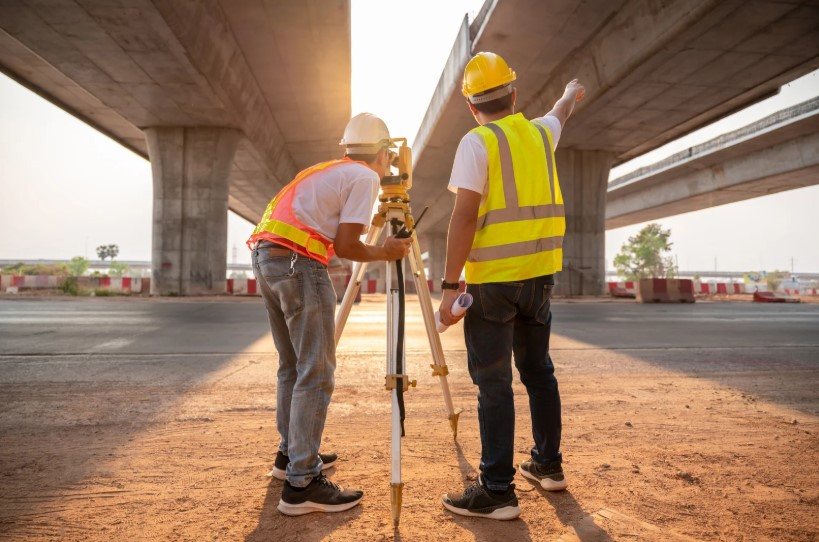
A worker is injured in a highway work zone every 13 minutes in the United States. Think about that. In the time it takes to walk the taper, another family gets a call they never wanted. As a project manager or superintendent, you live with this reality. These aren’t just numbers; they’re the faces of your crew. The most dangerous road construction safety mistakes aren’t dramatic blowouts; they’re the small, quiet lapses that happen every day—until they don’t. Why Small Safety Gaps Become Big Liabilities We’ve all seen it: the pressure to stay on schedule, the budget scrutiny, the temptation to cut a small corner. But in our line of work, small gaps have a way of becoming catastrophic failures. These aren’t just about physical harm; they’re about financial survival. The average OSHA fine for a serious violation hovers around $15,625, but that’s just the start (OSHA, 2023). Add in project delays, insurance hikes, legal fees, and the crushing cost of a lost life, and you see the truth: proactive safety isn’t an expense. It’s the only investment that guarantees a return. Top 8 Road Construction Safety Mistakes After decades with my boots on the asphalt, I’ve seen the same preventable errors play out time and again. These are the most common work zone safety errors that put good people at risk, and the field-tested fixes that keep them safe. 1. Skipping the Pre-Shift Hazard Briefing The Mistake: The crew rolls in, grabs their gear, and gets to work. The plan is “the same as yesterday.” This is a recipe for disaster. Assumptions are the most dangerous tool on any job site. The Fix: A mandatory 10-minute tailgate meeting. Every single morning. No exceptions. Discuss the day’s specific tasks, the traffic control plan, the weather forecast, and any new or unique hazards. It’s not about bureaucracy; it’s about getting every mind focused on the same goal before the first engine turns over. 2. Poor Traffic-Flow Buffering The Mistake: Relying on a few cones to separate your crew from 70-mph traffic. A cone is a suggestion. A distracted driver sees it far too late. This is the single greatest threat to your team. The Fix: Create a fortress. This means a properly executed MUTCD-compliant cone pattern for the taper and, most critically, a certified Truck Mounted Attenuator (TMA) as the last line of defense. A TMA crash truck isn’t just a piece of iron; it’s a bodyguard for your entire operation, absorbing the kinetic energy of an impact and shielding your people from the intrusion. TMA crash truck safety is non-negotiable. 3. Inadequate Night-Work Illumination The Mistake: Believing that standard truck lights and a few dim flashers are enough for a nighttime paving operation. To a driver approaching at highway speed, a poorly lit work zone is a confusing, invisible void until it’s too late. The Fix: Own the night with light. This means deploying high-intensity, sequential LED arrow boards that are visible from a mile away, commanding drivers to merge early. It means using modern, well-maintained cone trucks with brilliant LED lighting to set your taper quickly and safely. And it means every crew member is outfitted in high-visibility Class 3 PPE. 4. Improper Equipment Backup Signals The Mistake: A paver or dump truck is backing up, the operator is focused on their mirrors, and a ground worker is momentarily distracted. The standard “beep-beep-beep” becomes background noise on a loud site. These internal highway construction hazards are just as deadly as external traffic. The Fix: A “zero-tolerance” spotter rule. No piece of heavy equipment moves in reverse without a dedicated, trained spotter who has positive eye contact with the operator. Augment this human system with multi-frequency “smart” alarms that are more noticeable than monotonous beeps. 5. Neglecting Daily Equipment Inspections The Mistake: “The arrow board worked yesterday, it’ll work today.” A burnt-out bulb, a leaky hydraulic line on an attenuator, or a flat tire on a cone truck isn’t just an inconvenience; it’s a critical safety failure waiting to happen. The Fix: A digitized, mandatory pre-shift inspection checklist for every piece of major equipment. Using a simple app on a phone or tablet ensures nothing is missed and creates a digital record. Better yet, partner with a rental provider like S.P.A. Safety Systems, whose rigorous maintenance protocol means the equipment arriving at your site is already in peak condition, minimizing the chance of a shift-starting surprise. 6. Confusing or Inadequate Signage Layouts The Mistake: Signs are placed too close together, the message is unclear, or the sign is placed past the point where a driver needs to make a decision. A confused driver is an unpredictable and dangerous driver. The Fix: Follow the MUTCD like it’s gospel. Use clear, concise variable message boards placed well in advance of the lane closure. The message should tell drivers what to do (“Right Lane Closed Ahead”), not just what the condition is. The goal is to make the correct path of travel the easiest and most obvious choice. 7. Rushing Scissor or Bucket Lift Setup The Mistake: In a hurry to get a light tower or sign up, the crew sets up an aerial lift on uneven ground or fails to deploy the outriggers properly. A slight incline becomes a major tip-over hazard once the platform is elevated. The Fix: Slow down to be fast. Train every operator to religiously check the machine’s level sensor before raising the boom. Ensure operators are certified for the specific piece of equipment they are using. Never, ever exceed the manufacturer’s specified limits for wind or ground slope. 8. Post-Impact Complacency The Mistake: A vehicle impacts a TMA. There are no injuries, so the truck is put right back into service. This is a critical error. The attenuator’s internal structure may have hidden damage that will cause it to fail during a subsequent impact. The Fix: A mandatory, post-impact structural check. Any attenuator that takes a hit—no matter how minor it seems—must be pulled from service
